Jaishankar meets Kuwait Defence Minister on maritime security
Synopsis
External Affairs Minister Dr. S. Jaishankar met Kuwait Defence Minister Abdullah Al-Salem Al-Sabah on 8 July 2026, discussing defence industry cooperation and maritime security — deepening India's strategic outreach to GCC partners under the Atmanirbhar Bharat framework.
Key Takeaways
Jaishankar met Kuwait Defence Minister Abdullah Ali Abdullah Al-Salem Al-Sabah on 8 July 2026 .
Talks focused on defence industry cooperation and maritime security between India and Kuwait.
India and Kuwait have had a defence cooperation MoU since 2008 , providing the institutional framework for such engagements.
The meeting aligns with India's Atmanirbhar Bharat push to expand indigenous defence exports to Gulf markets.
The next India-Kuwait Joint Defence Cooperation Committee meeting and possible MoUs on shipbuilding or maritime domain awareness are being watched as follow-on steps.
Kuwait hosts one of the largest Indian expatriate communities in the Gulf, adding a people-to-people dimension to the bilateral relationship.
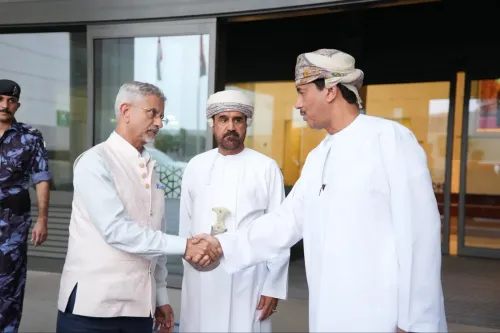
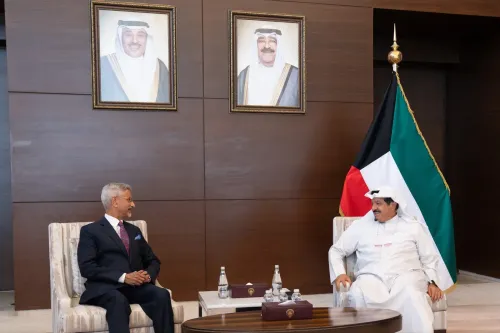
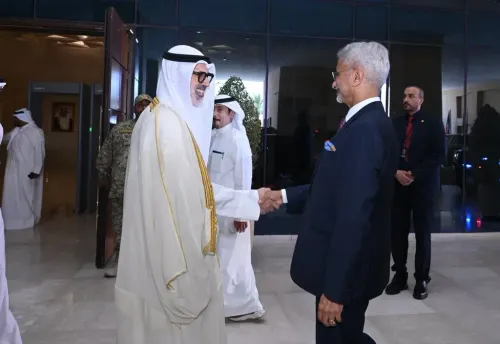
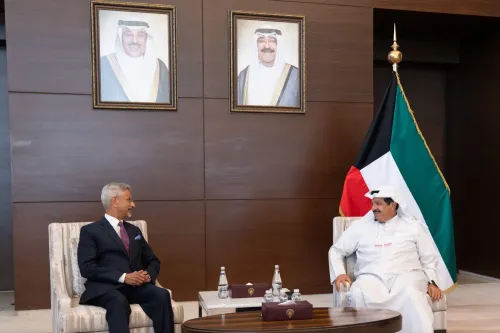
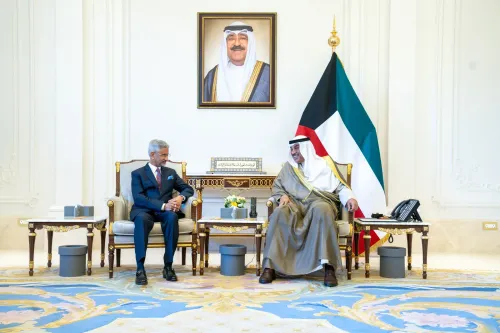
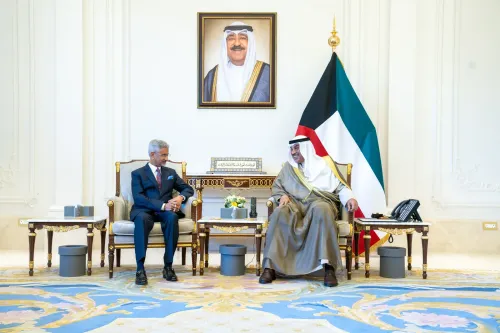
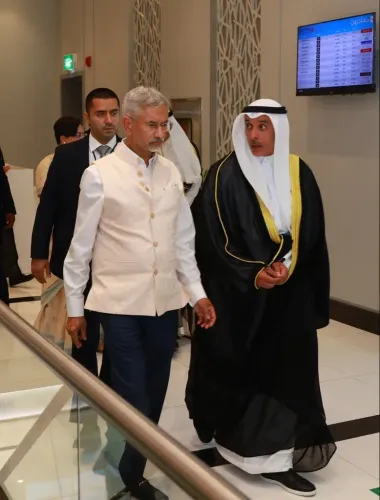
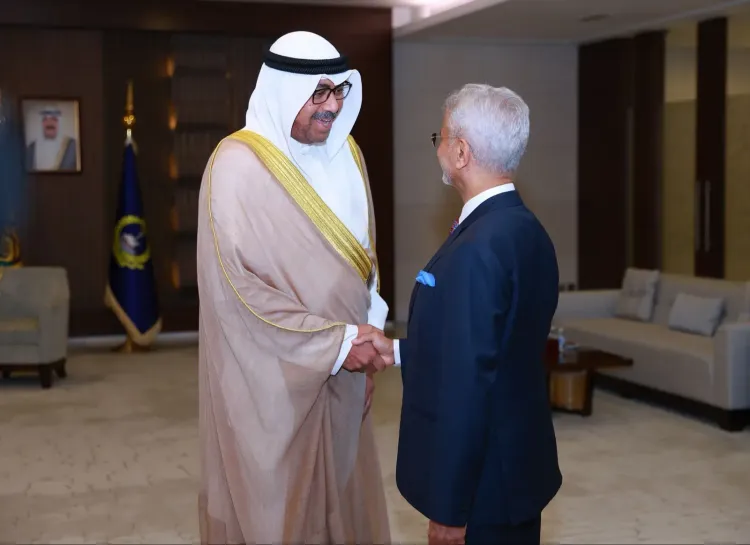
Union External Affairs Minister Dr. S. Jaishankar met Kuwait Defence Minister Abdullah Ali Abdullah Al-Salem Al-Sabah on Wednesday, 8 July 2026, holding talks centred on defence industry cooperation and maritime security between the two nations.
Context
Dr. Jaishankar confirmed the meeting on X, writing: 'Glad to meet Defence Minister Kuwait Abdullah Ali Abdullah Al-Salem Al-Sabah. Spoke about defence industry cooperation and maritime security.' The engagement marks a significant diplomatic touchpoint between India and Kuwait, two countries that share deep economic ties rooted in energy trade and a large Indian expatriate community in the Gulf state.
Kuwait is a member of the Gulf Cooperation Council (GCC) and has long been among India's key partners in West Asia. The Al-Sabah family, from which the Defence Minister hails, oversees Kuwait's armed forces and security policy.
Policy Backdrop
India and Kuwait signed a defence cooperation Memorandum of Understanding in 2008, which laid the institutional groundwork for regular military consultations and training exchanges. The current discussions build on that framework, reflecting India's broader push to deepen strategic ties with GCC states.
New Delhi has been steadily expanding defence diplomacy across the Gulf as part of its Atmanirbhar Bharat initiative, which seeks to promote indigenous defence exports alongside traditional security partnerships. Maritime security, in particular, has gained urgency given the importance of Indian Ocean sea lanes for energy supplies and trade flows to and from India.
India's outreach to Gulf littoral states has included joint naval exercises and information-sharing mechanisms aimed at protecting critical sea lanes of communication — a priority that aligns closely with Kuwait's own interests as a Gulf maritime nation.
Stakeholders and Impact
India's domestic defence exporters stand to benefit if the two sides advance cooperation in shipbuilding or maritime domain awareness technologies. The meeting signals potential opportunities for Indian naval industry players seeking footholds in Gulf markets.
For the large Indian expatriate community in Kuwait — one of the biggest concentrations of overseas Indians in the region — stronger bilateral security ties translate into greater diplomatic bandwidth and potentially smoother consular and crisis-response coordination. Naval forces on both sides could see expanded joint exercises or port-call arrangements emerge from follow-on discussions.
What's Next
Analysts will watch for the convening of the next India-Kuwait Joint Defence Cooperation Committee meeting, which could translate Wednesday's high-level conversation into concrete action plans. Any follow-on agreements on shipbuilding collaboration or maritime domain awareness would represent a tangible step forward from the 2008 MoU baseline.
As India continues to position itself as a net security provider in the Indian Ocean Region, engagements like this one with Gulf partners are expected to grow in frequency and depth — with maritime security emerging as the defining pillar of India's West Asia defence diplomacy.
Point of View
New Delhi is signalling that it wants to move beyond the 2008 MoU's consultative framework toward tangible commercial and operational outcomes. The timing also reflects India's growing anxiety about Indian Ocean sea-lane security, particularly in the context of regional instability that threatens energy supply chains. If a new shipbuilding or maritime domain awareness agreement follows, it would mark a qualitative upgrade in the India-Kuwait defence relationship that could serve as a template for similar Gulf partnerships.
NationPress
7 Oct 2026
Frequently Asked Questions
Why did Jaishankar meet Kuwait's Defence Minister in July 2026?
Dr. Jaishankar met Kuwait Defence Minister Abdullah Al-Salem Al-Sabah to discuss defence industry cooperation and maritime security, continuing India's strategic outreach to Gulf partners under the Atmanirbhar Bharat initiative.
What is the history of India-Kuwait defence relations?
India and Kuwait signed a defence cooperation MoU in 2008 that established the basis for regular military consultations and training exchanges, forming the institutional backbone of the bilateral defence relationship.
What is Atmanirbhar Bharat and how does it relate to Gulf defence ties?
Atmanirbhar Bharat is India's self-reliance initiative that, in the defence sector, promotes indigenous manufacturing and exports. Expanding defence cooperation with Gulf states like Kuwait opens potential markets for Indian-made defence equipment and naval technology.
How large is the Indian community in Kuwait?
Kuwait hosts one of the largest Indian expatriate communities in the Gulf region, making strong bilateral ties important not just strategically but also for the welfare and consular protection of Indian nationals living there.
What are the next steps expected in India-Kuwait defence cooperation?
Observers are watching for the convening of the next India-Kuwait Joint Defence Cooperation Committee meeting and any follow-on agreements on shipbuilding or maritime domain awareness that could translate high-level talks into concrete outcomes.