Jaishankar Meets Indian Community in Kuwait, Lauds Their Role in Bilateral Ties
Synopsis
External Affairs Minister Dr. S. Jaishankar met Indian community members in Kuwait on 8 July 2026, recognising their role in strengthening India-Kuwait ties and thanking them for their contributions during his bilateral visit to the Gulf state.
Key Takeaways
External Affairs Minister Dr.
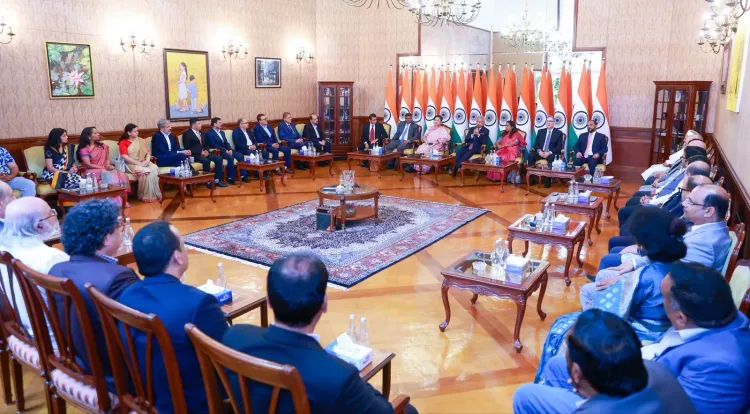
Jaishankar met members of the Indian community in Kuwait on 8 July 2026 .
The minister acknowledged the diaspora's 'well recognised' role in strengthening India-Kuwait friendship .
He stated he valued their experiences and suggestions and thanked them for their contributions.
India and Kuwait have maintained diplomatic relations since 1961 , with the Indian expatriate community active in oil, construction and services sectors.
The meeting follows a long-standing Indian foreign policy practice of diaspora outreach during Gulf ministerial visits.
Follow-up action on labour welfare and consular arrangements is expected as part of ongoing India-Kuwait Foreign Office Consultations .
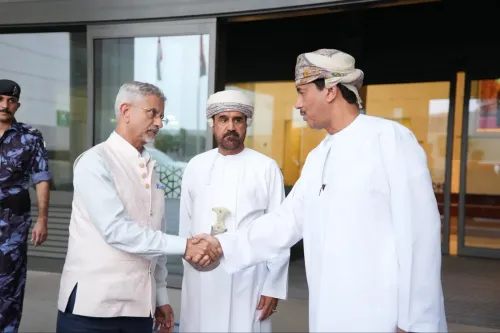
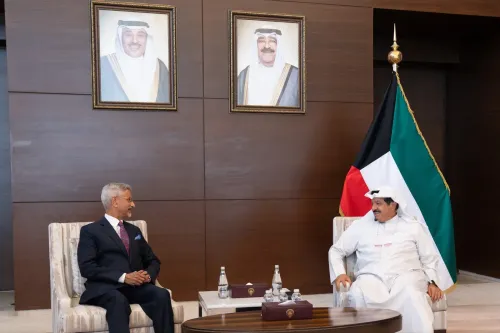
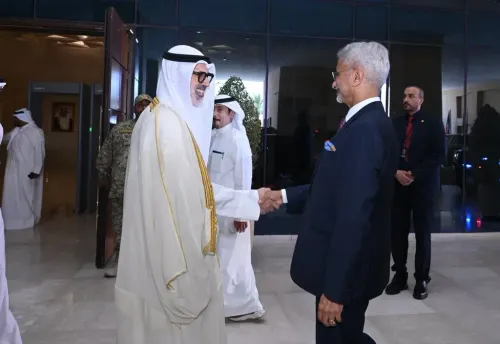
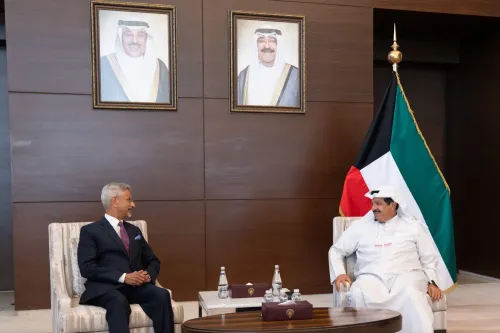
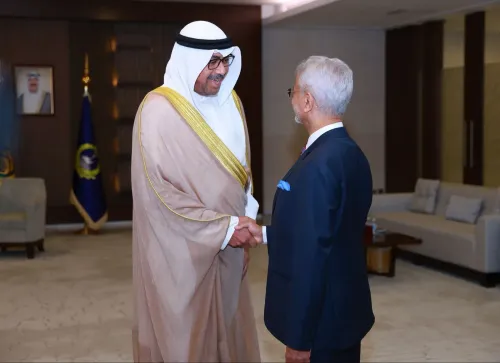
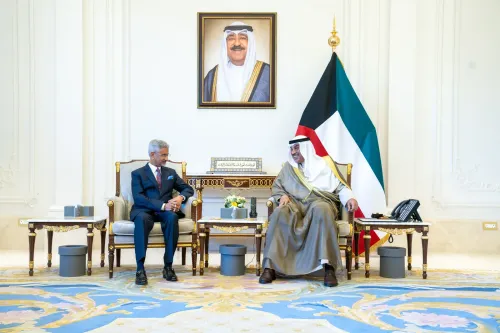
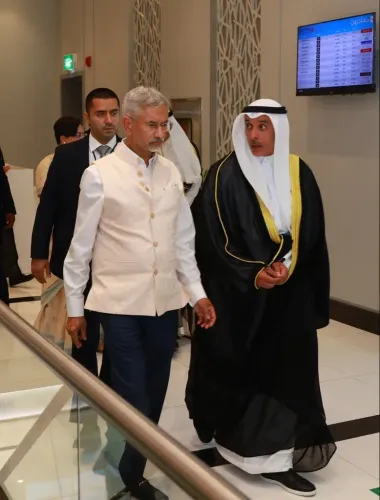
Union External Affairs Minister Dr. S. Jaishankar met members of the Indian community in Kuwait on Wednesday, 8 July 2026, acknowledging their contributions to strengthening people-to-people and diplomatic ties between the two countries. The minister thanked the diaspora for their role in fostering India-Kuwait friendship and said he valued their experiences and suggestions.
Context
Dr. Jaishankar's engagement with the Indian expatriate community forms part of a broader visit to Kuwait, one of the Gulf Cooperation Council's older and more stable diplomatic partners of India. In a post on X, the minister wrote: 'Appreciated meeting members of the Indian community in Kuwait. Their role in strengthening India-Kuwait friendship is well recognised. Value their experiences and suggestions. Thanked them for their many contributions.'
The meeting reflects a long-standing practice in Indian foreign policy of holding diaspora outreach sessions alongside formal bilateral engagements during ministerial visits to Gulf states.
Policy Backdrop
India and Kuwait have maintained diplomatic relations since 1961, providing a durable foundation for economic and people-to-people ties. The Indian expatriate community in Kuwait is present across sectors including oil, construction and services, and their remittances constitute a recognised element of the bilateral economic relationship.
Indian ministers have consistently met diaspora groups during Gulf visits as an instrument of what officials describe as diaspora diplomacy — an approach that supports consular protection, remittance facilitation and soft-power projection. Similar engagements have been conducted in the UAE and Saudi Arabia as part of India's extended-neighbourhood outreach to the GCC bloc.
Stakeholders and Impact
The primary stakeholders in such interactions are the Indian expatriates residing in Kuwait, who benefit from direct access to senior government representatives for raising consular and welfare concerns. Their suggestions, as noted by Dr. Jaishankar, feed into the government's understanding of on-ground conditions for overseas Indians in the Gulf.
Kuwait-India trade partners also have a stake in the broader diplomatic warmth that diaspora diplomacy helps sustain. A well-connected and well-supported expatriate community is widely seen as a soft-power asset that complements formal bilateral mechanisms such as joint commissions and labour agreements.
What's Next
Attention will now turn to the next round of India-Kuwait Foreign Office Consultations and any follow-up arrangements on labour welfare or consular services that may emerge from the minister's current regional tour. Dr. Jaishankar's direct engagement with the community signals that diaspora concerns are likely to remain a standing agenda item in the India-Kuwait diplomatic framework going forward.
Point of View
' the minister signals that Gulf diaspora feedback informs — at least nominally — the policy conversation. Kuwait, as one of India's oldest Gulf diplomatic partners since 1961, holds symbolic weight in this outreach, and such engagements help sustain bilateral warmth beyond formal government-to-government channels. The visit reinforces India's broader GCC strategy of layering people-to-people ties atop economic and energy interests.
NationPress
7 Oct 2026
Frequently Asked Questions
Why did Jaishankar visit Kuwait in July 2026?
Dr. S. Jaishankar visited Kuwait as part of a bilateral engagement that included a meeting with the Indian expatriate community to discuss their welfare and contributions to India-Kuwait ties. The visit fits into India's broader diplomatic outreach to GCC member states.
How large is the Indian community in Kuwait?
Kuwait hosts a significant Indian expatriate population employed across sectors such as oil, construction and services. Indian community members in Kuwait are among the recognised contributors to remittance flows and people-to-people ties between the two countries.
How long have India and Kuwait had diplomatic relations?
India and Kuwait have maintained formal diplomatic relations since 1961 , making Kuwait one of India's older and more stable diplomatic partners in the Gulf region.
What is diaspora diplomacy in Indian foreign policy?
Diaspora diplomacy refers to the Indian government's practice of engaging with overseas Indian communities during ministerial visits to support consular protection, facilitate remittances and project soft power. It has been a consistent feature of India's Gulf outreach, including in the UAE and Saudi Arabia.
What could follow Jaishankar's Kuwait visit?
The next round of India-Kuwait Foreign Office Consultations is expected to be a key follow-up, with possible discussions on labour welfare and consular arrangements informed by the minister's direct engagement with the Indian community.