White House Amplifies Sen. Moody's Claim on US Tax Cut Gains

Synopsis
The White House amplified Florida Senator Ashley Moody's assertion that the US enacted its largest-ever tax cut and that Florida is benefiting. The claim echoes Republican messaging around the 2017 Tax Cuts and Jobs Act, as Congress debates whether to extend its expiring provisions.
Key Takeaways
The White House reshared a statement by Senator Ashley Moody (R-Florida) on 8 July 2026 crediting federal tax cuts with benefiting Florida.
Moody described the legislation as 'the largest tax cut in US history.' The claim is rooted in the Tax Cuts and Jobs Act of 2017 , which cut the corporate tax rate from 35% to 21% .
Florida has no state personal income tax, amplifying the effect of federal tax reductions for its residents.
Key TCJA provisions are scheduled to expire, making Congressional action on extensions a critical near-term issue.
The White House's repost fits a pattern of using state-level Republican voices to validate federal fiscal policy.
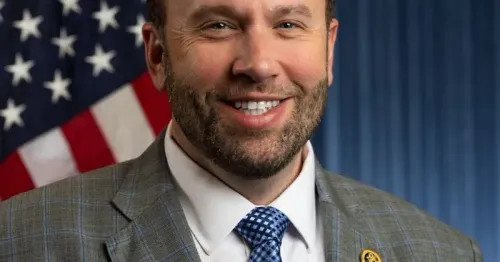
The White House on Wednesday, 8 July 2026 reshared a statement from U.S. Senator Ashley Moody of Florida, amplifying her assertion that the United States has passed 'the largest tax cut in US history' and that Florida is benefiting from its effects.
Context
The White House's repost highlighted Senator Ashley Moody, a Republican from Florida who previously served as the state's Attorney General. In her statement, Moody credited the federal tax legislation for delivering tangible economic rewards to Florida residents and businesses.
Florida is frequently cited in federal tax policy discussions because the state levies no personal income tax, meaning federal tax reductions compound the overall tax relief available to its residents compared with higher-tax states.
Policy Backdrop
The tax legislation referenced traces its lineage to the Tax Cuts and Jobs Act (TCJA) of 2017, enacted under the first Trump administration. The TCJA was the most significant overhaul of the federal tax code in roughly three decades, slashing the corporate rate from 35 per cent to 21 per cent and restructuring individual income tax brackets.
Republican administrations and lawmakers have consistently framed federal tax reductions as catalysts for state-level economic growth, particularly in low-tax states such as Florida. The White House amplifying Moody's message fits a broader pattern of using state-level voices to validate federal fiscal policy.
Stakeholders and Impact
Florida taxpayers and businesses are the primary stakeholders cited in Moody's framing. Proponents argue that the combination of no state income tax and reduced federal rates makes Florida an especially attractive destination for investment and relocation.
Critics of the TCJA have argued that the largest gains accrued to corporations and higher-income households, and that provisions affecting individual filers are scheduled to expire, creating uncertainty for middle-income taxpayers. The White House post does not engage with these counterarguments.
What's Next
Congressional attention is increasingly focused on whether key TCJA provisions will be extended before their scheduled expiration. The outcome of those debates will determine whether the economic gains Moody describes are sustained or partially reversed for Florida households and businesses.
Any new Florida economic or budget data released in the coming months will likely be invoked by both supporters and critics as evidence in that broader national argument over the legacy and future of the 2017 tax reform.
Point of View
But it also limits the argument's transferability to higher-tax states where the federal cuts had a more mixed impact. The framing of 'largest tax cut in history' is a recurring Republican rhetorical anchor that opponents will contest with data on income distribution and the deficit. Ultimately, the real test of this messaging will come when Congress votes on whether to make expiring provisions permanent.
NationPress
8 Jul 2026
Frequently Asked Questions
What tax cut is the White House referring to?
The White House is referring to the Tax Cuts and Jobs Act of 2017 , which was the largest overhaul of the US federal tax code in about three decades, cutting the corporate rate from 35% to 21% and adjusting individual brackets.
Who is Senator Ashley Moody?
Ashley Moody is a Republican U.S. Senator from Florida who previously served as Florida's Attorney General before moving to the Senate.
How does Florida benefit from federal tax cuts?
Florida has no state personal income tax, so federal tax reductions add directly to the overall tax relief available to Florida residents, making the combined effect larger than in states with higher local taxes.
When do the TCJA tax cuts expire?
Several key individual provisions of the Tax Cuts and Jobs Act are scheduled to expire, and Congress is currently debating whether to extend them. Specific expiry dates depend on the provision in question.
Why did the White House repost Senator Moody's statement?
The White House repost is part of a broader Republican communications strategy of amplifying state-level voices to validate federal tax policy, particularly ahead of Congressional votes on extending TCJA provisions.