Jaishankar meets EU Innovation Commissioner, eyes Horizon Europe tie-up
Synopsis
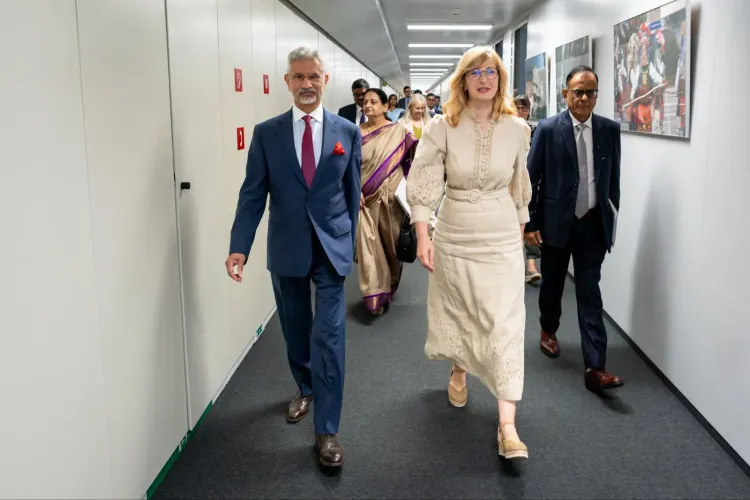
External Affairs Minister Dr. S. Jaishankar met EU Commissioner Ekaterina Zaharieva on 15 July 2026, discussing India's potential association with Horizon Europe and collaboration on clean energy research, innovation hubs, and startups — marking a significant push to deepen India-EU science and technology ties.
Key Takeaways
Jaishankar met EU Commissioner Ekaterina Zaharieva on 15 July 2026 to discuss India-EU innovation cooperation.
Talks covered clean and green energy technologies , innovation hubs , startups , and Indian association with Horizon Europe .
Horizon Europe is the EU's flagship research programme with a budget exceeding €95 billion for 2021–2027 .
India-EU scientific cooperation dates to a formal agreement signed in 2001 , renewed periodically since.
The India-EU Trade and Technology Council , launched in 2022 , provides the institutional framework for these discussions.
A formal Horizon Europe association would grant Indian researchers and startups direct access to EU-funded research consortia.
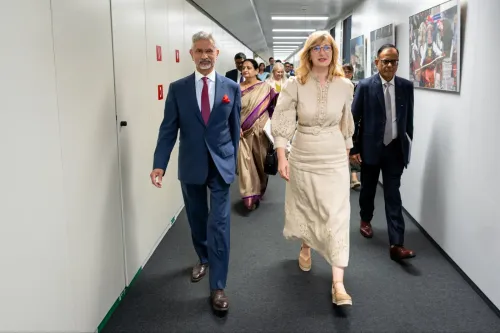
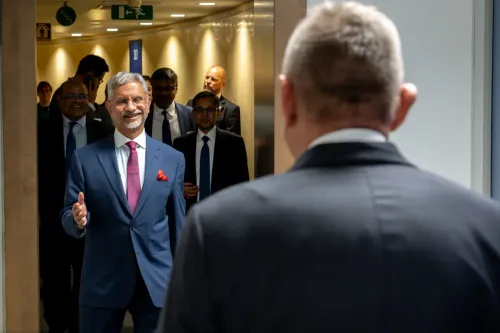
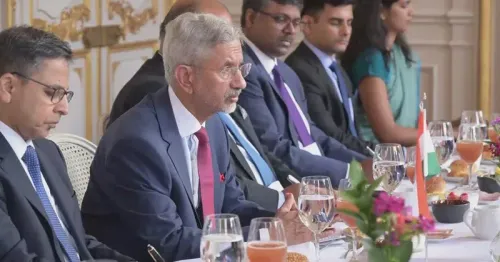
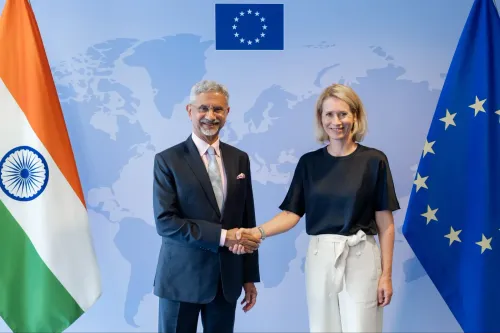
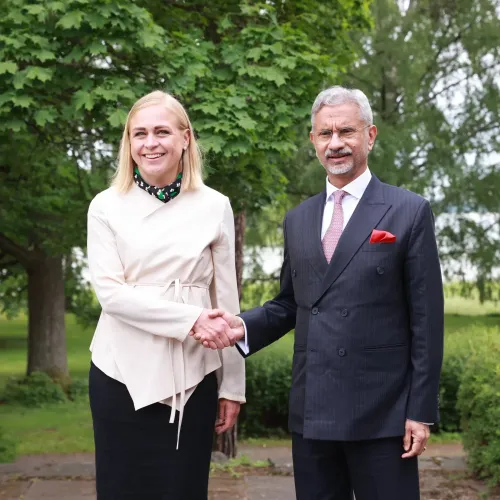
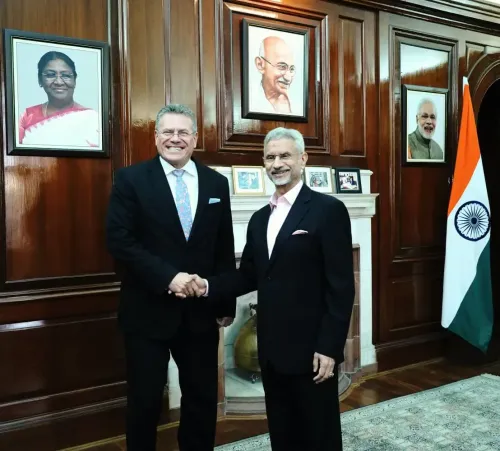
Union External Affairs Minister Dr. S. Jaishankar met EU Commissioner for Startups, Research and Innovation Ekaterina Zaharieva on Wednesday, 15 July 2026, discussing avenues for deeper India-EU collaboration in clean and green energy technologies, innovation hubs, and startup ecosystems, including a potential Indian association with the EU's flagship research programme Horizon Europe.
Context
Dr. Jaishankar described the engagement as 'a good meeting,' with talks covering 'opportunities for research in clean and green energy technologies, innovation hubs, startups and association with Horizon Europe.' The meeting signals active diplomatic effort to deepen India's integration with European research and innovation architecture at a senior bilateral level.
Ekaterina Zaharieva holds the European Commission portfolio covering startups, research, and innovation — a mandate that directly governs access to Horizon Europe, the EU's research and innovation funding programme running from 2021 to 2027 with a budget exceeding €95 billion.
Policy Backdrop
India and the European Union have maintained a formal framework for scientific and technological cooperation since the India-EU Agreement on Scientific and Technological Cooperation, first signed in 2001 and renewed periodically to support joint research and development initiatives. The relationship was elevated to a strategic partnership in 2004.
The India-EU Trade and Technology Council (TTC), launched in 2022, created dedicated workstreams on innovation, clean technologies, and digital governance — providing the institutional scaffolding within which a Horizon Europe association for India would logically sit. Both sides have identified the net-zero transition and green technology development as shared strategic priorities.
Horizon Europe is the world's largest multilateral research funding programme, and association — a formal status that grants third countries access to its grants and networks — would give Indian researchers, universities, and startups direct participation rights in EU-funded consortia on clean energy, digital innovation, and advanced manufacturing.
Stakeholders and Impact
Indian startups and clean energy researchers stand to benefit most directly from a formal Horizon Europe association, gaining access to funding pools and pan-European research networks currently unavailable to non-associated third countries. Innovation hubs — both in India and within EU member states — could serve as the connective tissue for joint incubation and technology transfer.
For the European Union, deepening ties with India's large and fast-growing innovation ecosystem offers diversification beyond its immediate neighbourhood, particularly as both blocs seek to reduce dependence on single-source technology supply chains. The discussion on clean and green energy technologies also aligns with the EU's Green Deal objectives and India's own commitments under its net-zero by 2070 target.
What's Next
The conversation between Dr. Jaishankar and Commissioner Zaharieva is expected to feed into the broader diplomatic calendar, including preparations for the next India-EU Summit, where formal progress on a Horizon Europe association agreement could be announced. Any such association would require a negotiated agreement between New Delhi and Brussels, covering financial contributions and governance arrangements.
Progress on innovation hubs and startup linkages is likely to advance through existing TTC channels, with the July meeting providing fresh political momentum to technical-level negotiations already underway.
Point of View
Giving India access to a €95-billion research ecosystem and signalling to domestic stakeholders that the government is opening global funding channels for clean tech and startups. The timing, against the backdrop of the India-EU TTC and net-zero commitments on both sides, suggests this is no longer exploratory diplomacy but a negotiation with a defined end-goal. The key variable remains whether New Delhi and Brussels can agree on the financial contribution formula that governs third-country association.
NationPress
14 Oct 2026
Frequently Asked Questions
What is Horizon Europe and why does India want to join it?
Horizon Europe is the European Union's flagship research and innovation funding programme running from 2021 to 2027 with a budget exceeding €95 billion. India seeks association because it would give Indian researchers, universities, and startups direct access to EU-funded research consortia, particularly in clean energy, digital innovation, and advanced manufacturing.
What did Jaishankar discuss with the EU Commissioner on 15 July 2026?
Dr. S. Jaishankar discussed opportunities for research in clean and green energy technologies, innovation hubs, startups, and India's potential association with Horizon Europe during his meeting with EU Commissioner Ekaterina Zaharieva.
What is India's existing science and technology agreement with the EU?
India and the EU signed an Agreement on Scientific and Technological Cooperation in 2001, which has been renewed periodically to support joint research and development. The relationship was elevated to a strategic partnership in 2004.
What is the India-EU Trade and Technology Council?
The India-EU Trade and Technology Council, launched in 2022, is a bilateral mechanism with dedicated workstreams on innovation, clean technologies, and digital governance. It provides the institutional framework within which discussions on Horizon Europe association and startup linkages are advancing.
What would Indian association with Horizon Europe mean for startups?
Indian startups would gain formal participation rights in EU-funded research and innovation consortia, accessing grants and pan-European networks currently unavailable to non-associated third countries, particularly in clean energy and deep-tech sectors.