Jaishankar Meets EU Commissioner Sikela on IMEC, Green Shipping
Synopsis
External Affairs Minister Dr. S. Jaishankar met EU Commissioner for International Partnerships Jozef Sikela on 15 July 2026, discussing IMEC, connectivity, trilateral partnerships, and green shipping — key pillars of the India-EU strategic agenda.
Key Takeaways
Jaishankar met EU Commissioner Jozef Sikela on 15 July 2026 in a bilateral diplomatic engagement.
Talks covered IMEC , connectivity, trilateral partnerships, and green shipping .
IMEC was launched at the G20 New Delhi Summit in September 2023 linking India, the Gulf, and Europe via multimodal corridors.
The India-EU Connectivity Partnership , established in July 2020 , provides the foundational framework for these discussions.
Green shipping decarbonisation is a shared priority with direct implications for the maritime industry on both sides.
The meeting reflects India's multi-alignment strategy, deepening engagement with the EU on infrastructure and sustainability.
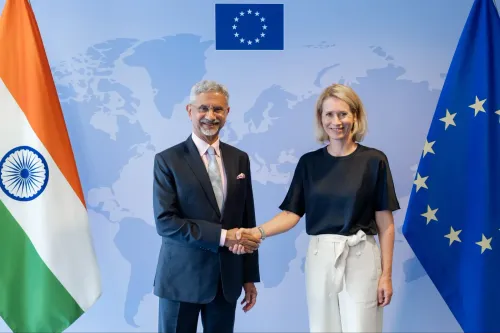
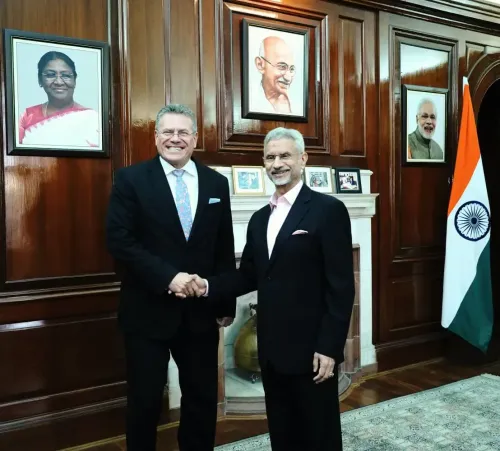
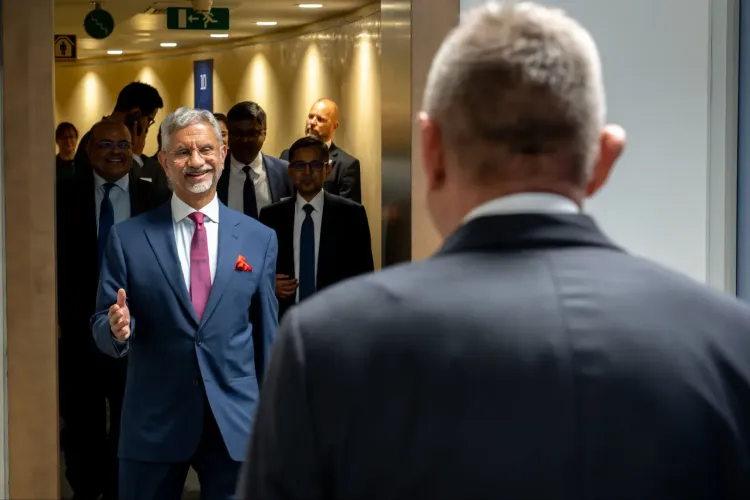
Union External Affairs Minister Dr. S. Jaishankar met European Commissioner for International Partnerships Jozef Sikela on Wednesday, 15 July 2026, to advance bilateral cooperation across connectivity, trilateral partnerships, the India-Middle East-Europe Economic Corridor (IMEC), and green shipping.
Context
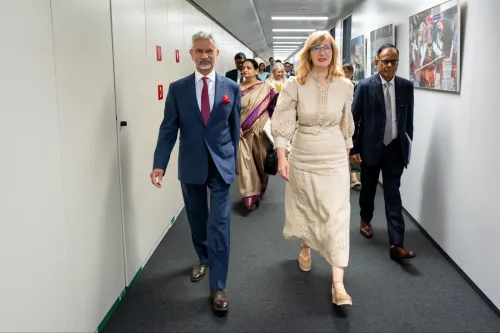
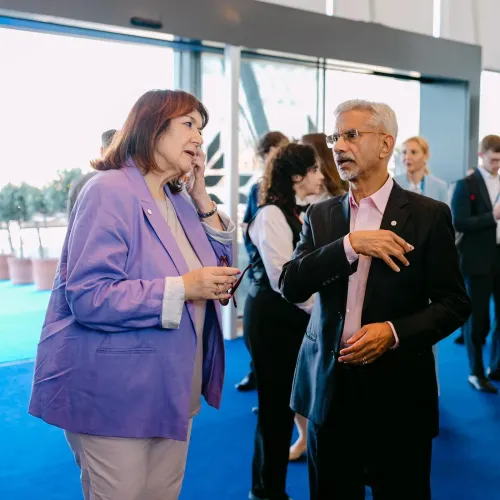
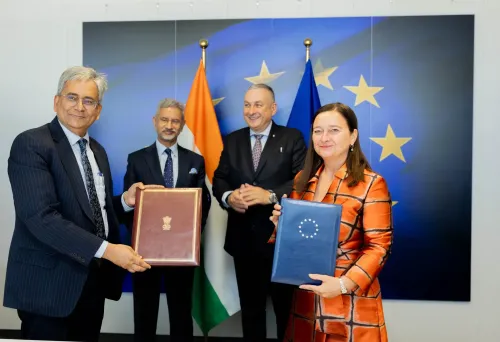
Dr. Jaishankar confirmed the meeting on X, writing: 'Glad to meet European Commissioner for International Partnerships @JozefSikela this morning. We spoke about advancing our cooperation in connectivity, trilateral partnerships, IMEC and green shipping.' The post, accompanied by three photographs from the meeting, signals a structured diplomatic engagement between India and the European Union on infrastructure and sustainability priorities.
Commissioner Sikela oversees the EU's development cooperation and external partnerships portfolio, making him a key interlocutor for India on the bloc's Global Gateway infrastructure initiative and its intersections with Indian-led connectivity projects.
Policy Backdrop
The meeting builds on the India-EU Connectivity Partnership launched at the July 2020 virtual summit, which set the framework for sustainable infrastructure and digital links between the two sides. The partnership has since expanded to encompass clean energy, digital corridors, and resilient supply chains.
IMEC was formally announced at the G20 Leaders' Summit in New Delhi in September 2023 as a joint initiative involving India, EU member states, the United States, and Middle Eastern partners. The corridor is designed to create a multimodal trade and transit route linking South Asia through the Gulf to Europe, positioning India as a central node in global supply chains. Green shipping — the decarbonisation of maritime freight — has emerged as a complementary priority, with both India and the EU committed to reducing emissions from sea trade routes that anchor IMEC's viability.
Stakeholders and Impact
Indian exporters stand to gain from faster, lower-cost access to European markets if IMEC pilot corridors move from planning to operationalisation. EU investors and infrastructure developers are equally attentive, given the bloc's interest in diversifying supply chains away from single chokepoints.
The maritime industry — shipbuilders, port operators, and logistics firms on both sides — has a direct stake in green shipping standards that could reshape vessel procurement and fuel choices across the Indian Ocean and Mediterranean trade lanes. Trilateral partnership frameworks, which typically involve a third developing-country partner, also open avenues for India and the EU to co-finance infrastructure in regions such as Africa and Southeast Asia.
The engagement reflects India's broader multi-alignment approach: deepening ties with Western partners on connectivity and sustainability while maintaining strategic flexibility across other relationships.
What's Next
Diplomatic observers will watch for concrete deliverables emerging from this meeting — particularly any joint statements on IMEC pilot corridor timelines, green shipping standards, or new trilateral project announcements. Progress at the working level between New Delhi and Brussels is expected to feed into the next India-EU summit agenda.
As IMEC moves from concept to implementation, meetings like this one between senior ministers and commissioners will be critical in converting political commitment into funded, operational infrastructure that reshapes trade geography across three continents.
Point of View
With India actively working to convert the corridor from a headline announcement into an operational reality. By pairing IMEC with green shipping on the agenda, both sides are acknowledging that the corridor's long-term credibility depends as much on decarbonisation standards as on physical infrastructure. The inclusion of trilateral partnerships suggests India is positioning itself not just as a corridor beneficiary but as a co-architect of EU-linked development finance in third regions. This pattern of senior-level engagement with Brussels-based commissioners reflects a deliberate Indian strategy to institutionalise the India-EU relationship beyond periodic summits.
NationPress
13 Oct 2026
Frequently Asked Questions
What is IMEC and why does it matter for India?
IMEC, the India-Middle East-Europe Economic Corridor, is a multimodal trade and transit route announced at the G20 New Delhi Summit in September 2023. It connects India through the Gulf to Europe and positions New Delhi as a central node in global supply chains, offering Indian exporters faster and potentially cheaper access to European markets.
Who is Jozef Sikela and what is his role in EU-India ties?
Jozef Sikela is the European Commissioner for International Partnerships, responsible for the EU's development cooperation and external partnerships. He is a key EU interlocutor for India on the bloc's Global Gateway infrastructure initiative and its alignment with Indian-led connectivity projects like IMEC.
What is green shipping and why is India discussing it with the EU?
Green shipping refers to the decarbonisation of maritime freight through cleaner fuels, vessel technology, and port infrastructure. India and the EU share commitments to reducing maritime emissions, and green shipping standards are critical to the long-term viability of IMEC's sea-lane components.
What is the India-EU Connectivity Partnership?
The India-EU Connectivity Partnership was launched at a virtual summit in July 2020 to promote sustainable infrastructure, digital links, and clean energy cooperation between India and the European Union. It provides the foundational policy framework for engagements like the Jaishankar-Sikela meeting.
What are trilateral partnerships in the context of India-EU cooperation?
Trilateral partnerships involve India and the EU jointly financing or developing infrastructure projects in a third country, often in regions such as Africa or Southeast Asia. They allow both sides to pool resources and extend their strategic influence beyond their bilateral relationship.