Jaishankar meets League of Arab States diplomats, flags tech and conflict impact
Synopsis
EAM Jaishankar's meeting with League of Arab States diplomats in New Delhi goes beyond courtesy — it signals India's intent to deepen structural ties with 22 Arab nations at a moment when West Asian conflicts are reshaping global energy, trade, and diplomatic alignments. The emphasis on technology and Global South cooperation marks a clear strategic framing.
Key Takeaways
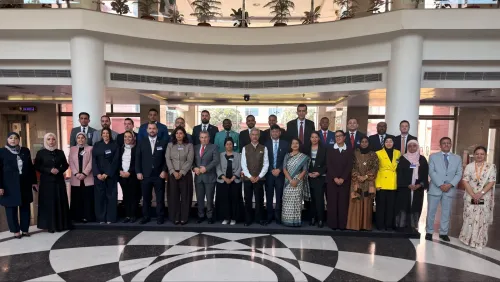
EAM S Jaishankar met League of Arab States diplomats at the Sushma Swaraj Institute of Foreign Service in New Delhi on 26 October 2026 .
He highlighted the far-reaching impact of ongoing global conflicts and the transformative role of technology in shaping today's world.
Jaishankar stressed the need for close economic cooperation between India and Arab nations as Global South partners .
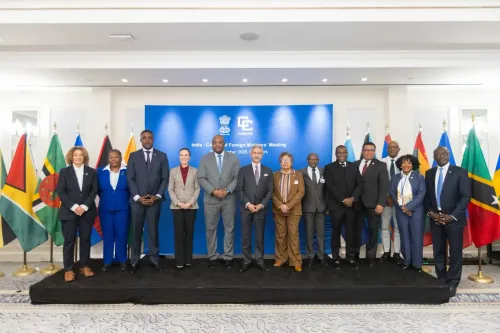
In August , India and the Arab League held discussions to advance the Executive Programme 2026-28 , adopted at the second India-Arab Foreign Ministers' Meeting .
The Arab League has 22 member states across North Africa and West Asia , and was founded in Cairo in 1945 .
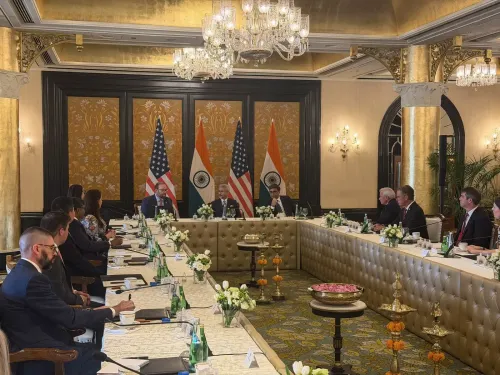
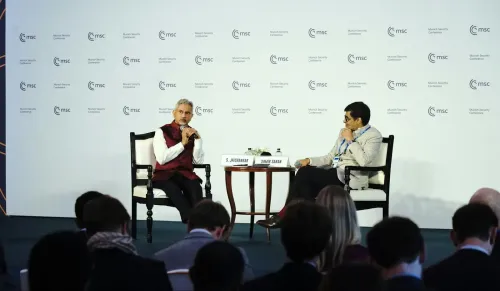
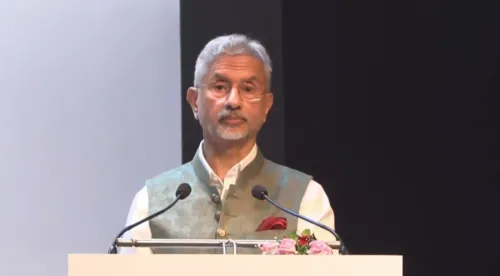
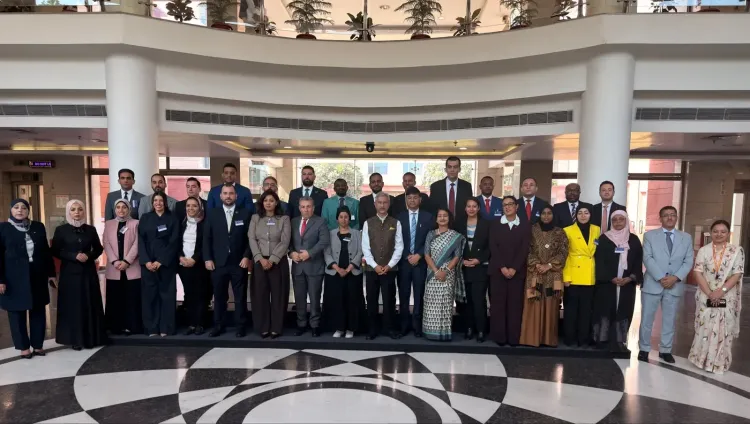
External Affairs Minister S Jaishankar on Monday, 26 October 2026, met a group of diplomats from the League of Arab States (LAS) who are currently undergoing training at the Sushma Swaraj Institute of Foreign Service in New Delhi. During the interaction, Jaishankar stressed the far-reaching impact of ongoing global conflicts and the transformative role of technology in shaping the contemporary world.
Key Themes Discussed
Jaishankar used the meeting to underscore the importance of close economic cooperation between India and Arab nations, framing both as neighbours and fellow members of the Global South. He emphasised the need to 'overcome chokepoints and neutralise unfair leverages' through stronger bilateral economic ties.
In a post on X, Jaishankar wrote: 'Pleased to meet a group of diplomats from the League of Arab States undergoing training at Sushma Swaraj Institute of Foreign Service. Discussed the far reaching impact of ongoing conflicts and the transformative role of technology in shaping today's world.'
He added: 'As neighbours and Global South partners, underlined the need for close economic cooperation to overcome chokepoints and neutralize unfair leverages. Encouraged them to use their time in India to deepen their understanding of the country and its people. Wished them a rewarding and enriching experience.'
India-Arab League Relations: The Background
The Arab League was established in Cairo in 1945, initially comprising seven founding members, with the mandate to promote the collective interests of Arab nations. The grouping now has 22 member states spanning North Africa and West Asia. India has historically maintained close and friendly ties with the nations that constitute the League, viewing the region as part of its extended neighbourhood.
Notably, India's engagement with the Arab world has been deepening at the institutional level. In August, Sripriya Ranganathan, Secretary (Consular, Passport and Visa and Overseas Indian Affairs) at the Ministry of External Affairs, held discussions with Khalid Manzalawi, Assistant Secretary-General of the League of Arab States, focused on advancing the Executive Programme 2026-28 — a framework adopted at the second India-Arab Foreign Ministers' Meeting.
Why This Meeting Matters
This interaction comes against the backdrop of multiple active conflicts in West Asia that have significant humanitarian, energy, and diplomatic ripple effects on India. With a large Indian diaspora spread across Arab League member states and substantial trade and energy dependencies, New Delhi has a direct stake in stability across the region.
The focus on technology as a shaping force in diplomacy also aligns with India's broader foreign policy positioning — using its digital and tech credentials to build influence and offer alternatives, particularly in the Global South framework. The training programme at the Sushma Swaraj Institute reflects India's growing role as a capacity-building partner for developing nations' diplomatic corps.
What Comes Next
The ongoing training programme at the institute is expected to give Arab diplomats a firsthand understanding of India's governance, culture, and strategic outlook. With the Executive Programme 2026-28 framework in active implementation, further structured engagements between Indian and Arab League officials are anticipated in the coming months.
Point of View
Amid unresolved West Asian conflicts, underscores that India can no longer treat Arab engagement as a secondary diplomatic track. The integration of technology as a talking point with Arab diplomats also signals a deliberate effort to project India as a knowledge and capability partner, not merely an energy buyer. Whether these engagements translate into concrete deliverables under the Executive Programme 2026-28 will be the real test of this diplomatic investment.
NationPress
26 Oct 2026
Frequently Asked Questions
Why did EAM Jaishankar meet League of Arab States diplomats?
Jaishankar met a group of Arab League diplomats undergoing training at the Sushma Swaraj Institute of Foreign Service in New Delhi on 26 October 2026, to discuss ongoing global conflicts, the role of technology in shaping the world, and the need for deeper India-Arab economic cooperation as Global South partners.
What is the League of Arab States?
The League of Arab States, also known as the Arab League, is a regional organisation founded in Cairo in 1945. It currently has 22 member states from North Africa and West Asia, formed to promote the collective political, economic, and cultural interests of Arab nations.
What is the Executive Programme 2026-28 between India and the Arab League?
The Executive Programme 2026-28 is a bilateral framework adopted at the second India-Arab Foreign Ministers' Meeting. In August 2026, Indian and Arab League officials held discussions to advance its implementation, covering areas of diplomatic and economic cooperation.
What is the Sushma Swaraj Institute of Foreign Service?
The Sushma Swaraj Institute of Foreign Service in New Delhi is India's premier diplomatic training institution, which also hosts foreign diplomats for training programmes as part of India's capacity-building outreach. The Arab League diplomats are currently undergoing training there.
What did Jaishankar say about India-Arab relations?
Jaishankar described India and Arab League nations as 'neighbours and Global South partners' and stressed the need for close economic cooperation to overcome chokepoints and neutralise unfair leverages. He also encouraged diplomats to use their time in India to deepen their understanding of the country and its people.