Jaishankar meets CDU/CSU foreign policy voice, eyes India-Germany ties
Synopsis
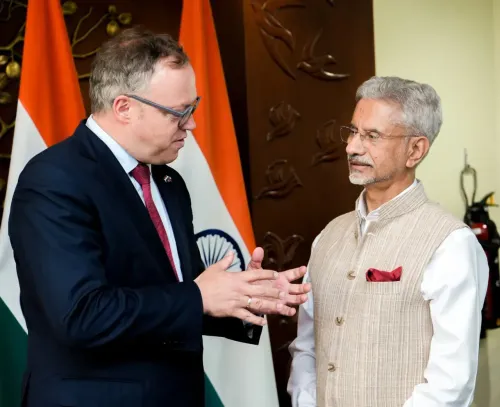
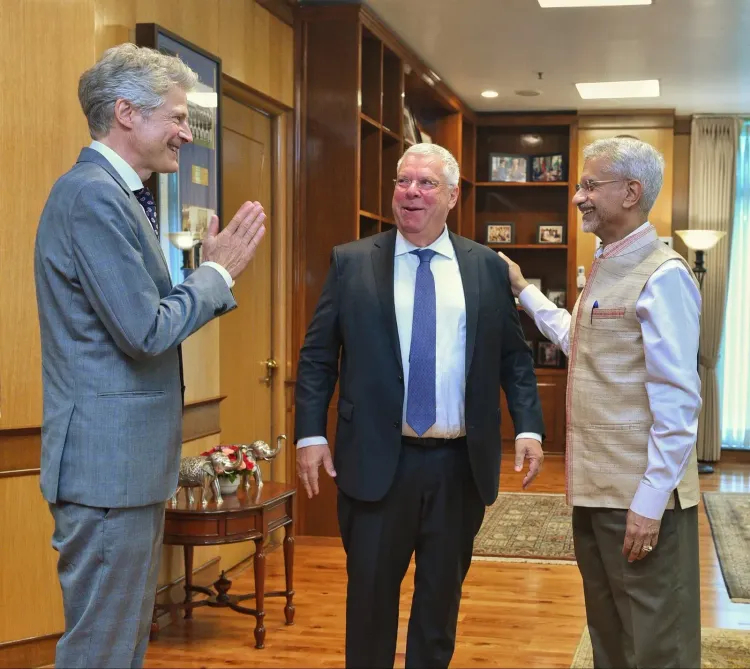
Union External Affairs Minister Dr. S. Jaishankar met CDU/CSU foreign policy spokesperson Jürgen Hardt on 14 August 2026, discussing the Gulf, West Asia, Ukraine and the India-Germany Strategic Partnership — a meeting underscoring Delhi's multi-party diplomatic outreach in Berlin.
Key Takeaways
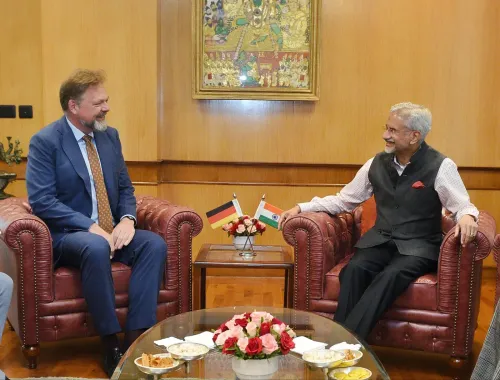
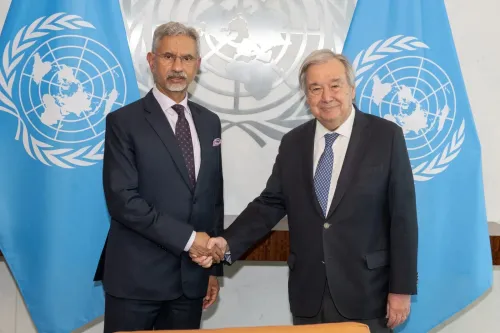
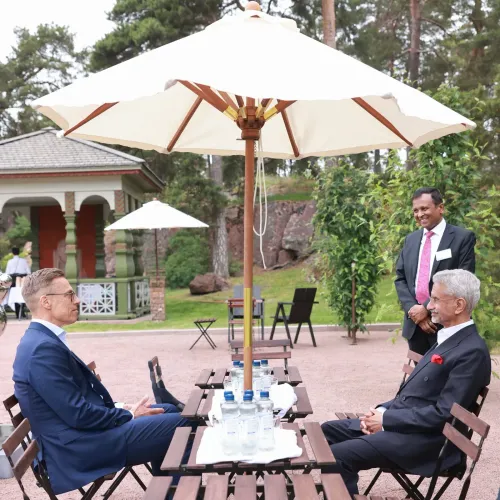
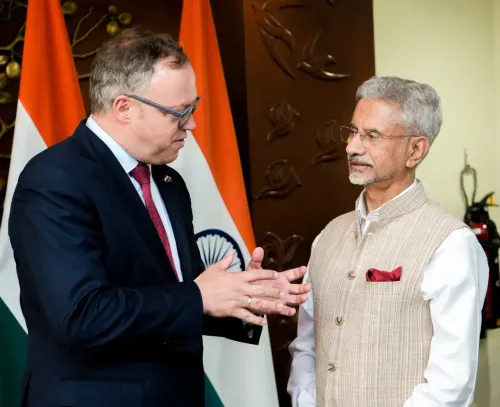
Jaishankar met Jürgen Hardt , foreign policy spokesperson for the CDU/CSU Bundestag group, on 14 August 2026 .
Discussions covered four major files: the Gulf, West Asia, Ukraine , and the India-Germany Strategic Partnership .
The India-Germany Strategic Partnership was launched in 2000 and covers political, economic, and security cooperation.
The meeting reflects India's practice of engaging multi-party parliamentary figures in key partner countries, not just sitting governments.
India's positions on Ukraine and West Asia — balancing Western and non-Western relationships — make Delhi's perspective of active interest to European legislators.
From the Gulf to Ukraine to the corridors of a 25-year-old Strategic Partnership, Union External Affairs Minister Dr. S. Jaishankar sat down with one of Germany's sharpest parliamentary foreign-policy voices on Friday, 14 August 2026 — a meeting that touched nearly every live wire in global geopolitics.
Who is Jürgen Hardt — and why this meeting matters
Jürgen Hardt serves as the foreign policy spokesperson for the CDU/CSU parliamentary group in the German Bundestag, making him a key voice on international affairs for Germany's leading centre-right bloc. Meeting a parliamentary spokesperson — rather than a cabinet minister — is a deliberate move: it signals India's interest in building relationships across the full spectrum of German political leadership, not just with whoever holds office at a given moment. Dr. Jaishankar noted the conversation covered 'recent developments pertaining to the Gulf, West Asia, Ukraine and the 🇮🇳🇩🇪 Strategic Partnership' — four distinct files, each carrying its own weight.Four files on the table: Gulf, West Asia, Ukraine, and the bilateral frame
The breadth of topics is itself a signal. West Asia and the Gulf remain volatile, with India deeply invested in regional stability given its large diaspora, energy imports, and trade arteries running through the region. Ukraine continues to divide Western and non-Western actors — and India, which has refused to align with either bloc, has positioned itself as a potential bridge. That makes Delhi's read of the conflict a point of active interest for European parliamentary figures. Underpinning all of it is the India-Germany Strategic Partnership, a bilateral framework launched in 2000 that spans political dialogue, trade, technology, and security cooperation. A quarter-century in, the partnership is mature enough to carry these conversations — and consequential enough that both sides keep the dialogue alive at multiple levels.Delhi's multi-party outreach in Berlin
India sustains regular contact with German parliamentary figures from across the political spectrum. This is not incidental — it is doctrine. By engaging CDU/CSU voices while also maintaining ties with the governing coalition, Delhi ensures continuity regardless of which party holds the chancellery. The pattern reflects a broader Indian diplomatic practice: never let a bilateral relationship depend on a single political interlocutor. With intergovernmental consultations between India and Germany a standing feature of the bilateral calendar, the ground covered in this exchange could well shape the agenda for the next formal summit-level meeting. One conversation, four global flashpoints, and a partnership built over two decades — that is the geometry of modern Indian diplomacy in Europe.Point of View
Not separate tracks. India's non-aligned posture on Ukraine, in particular, gives it a rare interlocutor status that European parliamentary figures increasingly seek out. This kind of parliamentary-level outreach quietly deepens the India-Germany relationship well below the summit headline.
NationPress
14 Aug 2026
Frequently Asked Questions
Who is Jürgen Hardt and what is his role in German politics?
Jürgen Hardt is the foreign policy spokesperson for the CDU/CSU parliamentary group in the German Bundestag, making him a leading voice on international affairs for Germany's main centre-right bloc.
What is the India-Germany Strategic Partnership?
The India-Germany Strategic Partnership is a bilateral framework launched in 2000 that covers political dialogue, trade, technology transfer, and security cooperation between the two countries.
What did Jaishankar and Hardt discuss in their meeting?
According to Dr. Jaishankar's post, the two discussed recent developments relating to the Gulf, West Asia, Ukraine, and the India-Germany Strategic Partnership.
Why does India engage with opposition parliamentary figures in Germany?
India's diplomatic practice involves building ties across the full political spectrum in key partner countries, ensuring continuity of the bilateral relationship regardless of which party forms the government.
What is India's position on the Ukraine conflict?
India has maintained a non-aligned stance on the Ukraine conflict, refusing to side with either Western or non-Western blocs, and has positioned itself as a potential bridge between the two sides.