Jaishankar Shares Highlights of Qatar Visit

Synopsis
External Affairs Minister Dr. S. Jaishankar shared highlights of his official visit to Qatar on July 6, 2026. The visit reflects India's sustained high-level engagement with Doha on energy, trade, labour and regional security — a relationship anchored in formal ties since 1973 and deepened through successive bilateral agreements.
Key Takeaways
Jaishankar shared highlights of his official visit to Qatar on July 6, 2026 .
India and Qatar have maintained formal diplomatic relations since 1973 , with ties spanning energy, defence, trade and diaspora welfare.
Qatar is a principal supplier of LNG to India under long-term contracts, making energy security a core bilateral interest.
A large Indian expatriate community in Qatar gives the relationship a significant people-to-people and consular dimension.
PM Modi's June 2016 visit to Qatar produced agreements on energy, defence and labour cooperation that continue to frame the partnership.
The next formal bilateral milestone is the India-Qatar Joint Commission meeting, where follow-up on this visit's discussions is expected.
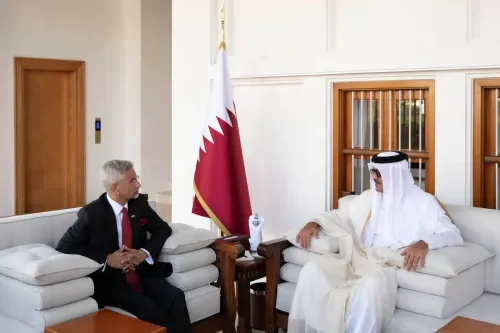
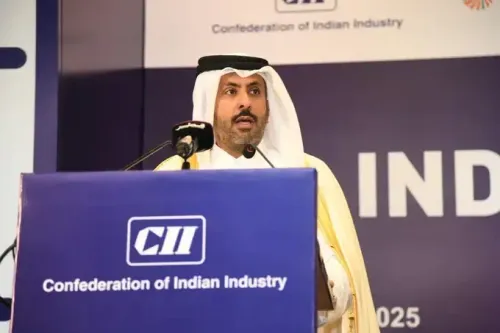
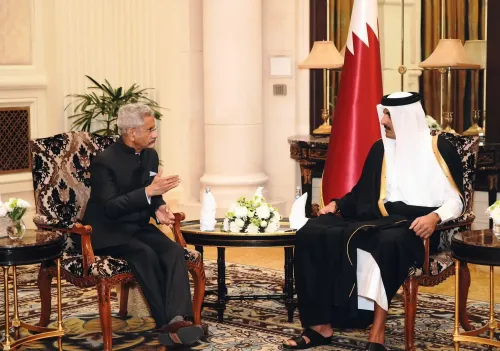
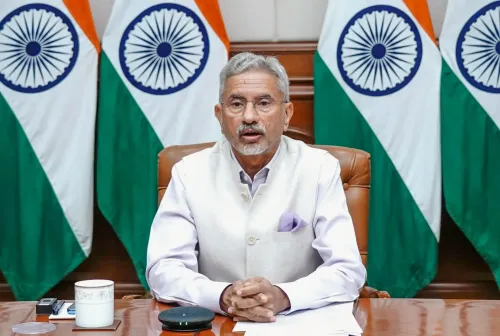
Union External Affairs Minister Dr. S. Jaishankar on Monday, July 6, 2026, shared highlights of his official visit to Qatar, posting a video on X that offered a glimpse into his engagements in Doha. The visit underscores India's sustained diplomatic outreach to one of its most strategically significant Gulf partners.
Context
India and Qatar share diplomatic ties dating back to 1973, and the relationship has deepened considerably over the decades across energy, trade, labour and security domains. Jaishankar's visit is the latest in a series of high-level exchanges that have characterised India's Gulf diplomacy under the current government. Such visits typically involve structured meetings with Qatari leadership and a review of active bilateral frameworks.
Qatar is home to a large Indian expatriate community whose welfare and consular interests form a standing item on the bilateral agenda. The diaspora's remittances and the country's role as a major employer of Indian professionals give the relationship a strong people-to-people dimension that accompanies the strategic and economic dialogue.
Policy Backdrop
The bilateral relationship received a significant boost when Prime Minister Narendra Modi visited Qatar in June 2016, producing agreements covering energy, defence and labour cooperation. A defence cooperation agreement signed in 2008 had earlier institutionalised military exchanges and training between the two countries, providing a framework that subsequent visits have sought to build upon.
Qatar is one of India's principal suppliers of liquefied natural gas under long-term contracts, making energy security a central pillar of the partnership. India has consistently prioritised high-level engagement with Gulf states to lock in stable, long-duration energy supply arrangements even as it diversifies its supplier base globally.
Stakeholders and Impact
The most immediate stakeholders in the India-Qatar relationship are the Indian expatriate community in Qatar, whose interests in employment, wages and consular access are regularly taken up during ministerial-level visits. Any progress on labour welfare frameworks or streamlined consular processes directly benefits this community.
On the economic side, Indian LNG importers and energy planners watch bilateral engagements closely for signals on contract renewals and pricing arrangements. Qatar's position as a top-tier global LNG exporter gives it considerable influence over India's medium-term energy mix, particularly as domestic gas demand rises with industrial and urban growth.
What's Next
The next formal milestone in the bilateral calendar is the India-Qatar Joint Commission meeting, which serves as the principal institutional mechanism for reviewing cooperation across all sectors. Any follow-up action on trade facilitation, investment protection or defence exchanges discussed during this visit would typically be channelled through that forum.
Jaishankar's visit signals that New Delhi continues to treat the Gulf as a priority theatre for its neighbourhood-plus diplomacy. As India's energy import bill remains a key macroeconomic variable, maintaining robust ministerial-level contact with Doha is expected to remain a fixture of the External Affairs Ministry's engagement calendar.
Point of View
Diaspora hosts and regional security interlocutors. The timing reflects India's awareness that long-term LNG contracts and labour welfare arrangements require constant high-level attention, not just periodic summits. By personally leading such engagements, Jaishankar reinforces the message that India's Gulf policy is a ministerial priority, not a bureaucratic routine. The visit also signals continuity: regardless of regional turbulence, India's bilateral architecture with Qatar remains functional and forward-looking.
NationPress
6 Jul 2026
Frequently Asked Questions
Why did Jaishankar visit Qatar in July 2026?
Jaishankar visited Qatar to advance India's bilateral engagement with Doha, covering areas such as energy cooperation, trade, defence and the welfare of the Indian expatriate community in Qatar.
What is the current state of India-Qatar relations?
India and Qatar have maintained diplomatic ties since 1973. The relationship is anchored in long-term LNG supply agreements, a 2008 defence cooperation pact, and active consular engagement for the large Indian diaspora in Qatar.
How important is Qatar for India's energy security?
Qatar is one of India's principal LNG suppliers under multi-year contracts. Stable access to Qatari gas is a significant element of India's broader energy security planning as domestic demand grows.
How many Indians live and work in Qatar?
Qatar hosts one of the largest Indian expatriate communities in the Gulf region. Their welfare, employment rights and consular access are standing priorities in India-Qatar bilateral discussions.
What agreements exist between India and Qatar?
Key agreements include a defence cooperation agreement signed in 2008 and a range of trade, energy and labour cooperation accords concluded during PM Modi's June 2016 visit to Doha.