Jaishankar: Terrorism as statecraft 'unacceptable', not all states show zero tolerance
Synopsis
At a UN Day event in New Delhi, External Affairs Minister Jaishankar pulled no punches: terrorism as statecraft is 'simply unacceptable', and the menace endures because some states let politics override principle. The remarks, though unnamed, land squarely in India's long-running narrative on cross-border terrorism — and come packaged with calls for UN reform, AI inclusivity, and urgent relief for the Global South.
Key Takeaways
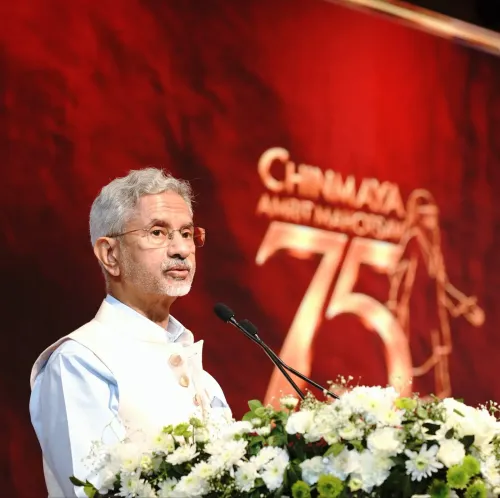
EAM S Jaishankar on 25 October 2026 declared terrorism as an instrument of statecraft 'simply unacceptable' at the Chinmaya Amrit Mahotsav Global Sammelan in New Delhi .
He said the threat persists because 'not all states really display zero-tolerance', with some allowing political calculations to take precedence.
Jaishankar called for dialogue and diplomacy as the only solution to conflicts in Ukraine and West Asia .
He flagged the '4F crisis' — finance, fuel, food, and fertiliser — as an urgent burden on the Global South , calling for de-risking of the global economy.
The minister reiterated India's push for reformed multilateralism and an inclusive, human-centric approach to AI governance .
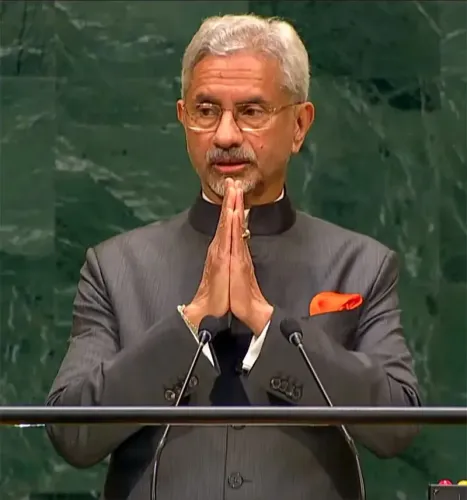
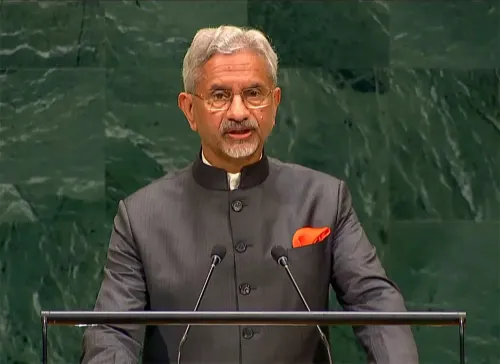
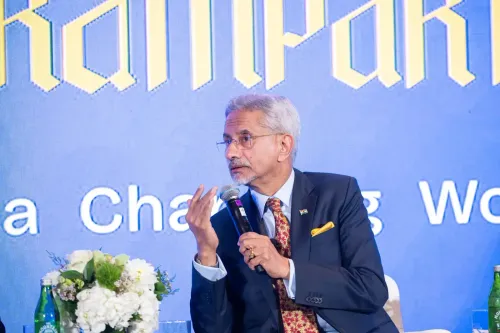
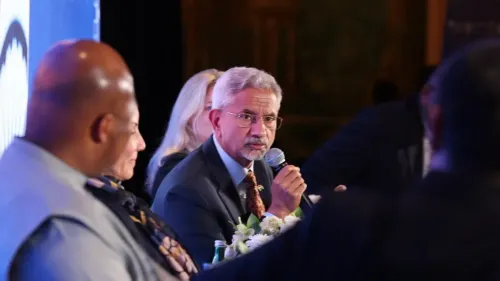
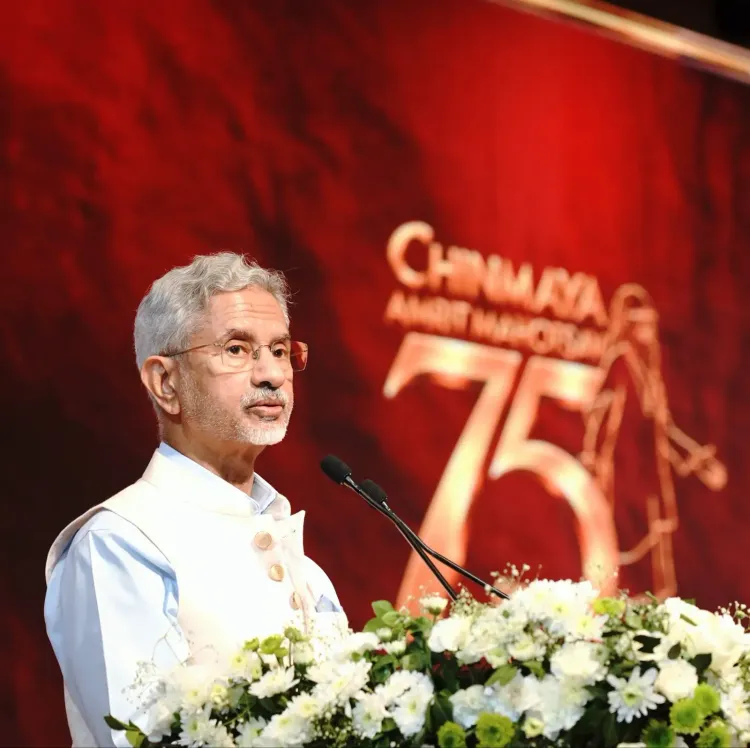
External Affairs Minister S Jaishankar on Sunday, 25 October 2026, delivered a sharp indictment of states that tacitly enable terrorism, declaring that the use of terror as an instrument of statecraft is 'simply unacceptable' and can never be justified or rationalised. Speaking at the Chinmaya Amrit Mahotsav Global Sammelan held to mark United Nations Day in New Delhi, Jaishankar said the threat persists precisely because political calculations continue to override principle in certain capitals.
Jaishankar's Core Warning on Terrorism
'Terrorism is another deadly threat to peace. Its usage as an instrument of statecraft is simply unacceptable. It can never be justified; it can never be rationalised. Yet, it continues because not all states really display zero-tolerance. Despite history holding so many lessons, some still allow political calculations to take precedence,' Jaishankar said.
He called on the international community to sharpen its collective awareness and build stronger resolve. 'The world must, therefore, develop sharper awareness about this common threat. And it must come together with stronger resolve and counter terrorism in all its forms and manifestations,' he added.
While Jaishankar did not name any state, the remarks are widely read in the context of India's longstanding position on cross-border terrorism — a pointed signal at a forum marking the founding of the United Nations.
On Conflicts in Ukraine and West Asia
Turning to the ongoing conflicts in Ukraine and West Asia, the External Affairs Minister stressed that peace had become indivisible in a globalised world, with populations far removed from the battlefields bearing disproportionate consequences. 'We cannot remain helpless spectators. India expresses global sentiment when we urge that dialogue and diplomacy are the only solution. We are making efforts ourselves and are open to working with other partners to that end,' he said.
The remarks reaffirm India's publicly stated preference for negotiated resolution — a position New Delhi has maintained despite pressure from Western partners to align more explicitly with one side in the Ukraine conflict.
The '4F Crisis' and the Global South
Jaishankar also flagged what he termed the '4F crisis' — finance, fuel, food, and fertiliser — as an acute pressure confronting the Global South, arguing that the Global North had an equal stake in resolving it. 'The international economy must be urgently de-risked and nations provided with more diversified options. Market distortions through constriction and chokepoints only add to suffering. A genuine dialogue in this regard is overdue,' he said.
This framing is consistent with India's voice at multilateral forums including the G20 and BRICS, where New Delhi has repeatedly positioned itself as a bridge between the developed world and the Global South.
On AI Governance and UN Reforms
On Artificial Intelligence, Jaishankar cautioned that something 'so consequential' could not be left in the hands of a few nations or corporations, reiterating India's advocacy for a responsible, inclusive, and human-centric approach to AI governance.
He also renewed the case for a reformed multilateral architecture. 'The case for reformed multilateralism gets stronger by the day. Large parts of the world cannot be left out from decision-making. The UN must show leadership; not be a spectator to global crises,' he said — a thinly veiled push for India's longstanding demand for a permanent seat on the UN Security Council.
How much traction India's calls for UN reform, anti-terrorism consensus, and AI inclusivity gain will depend in part on New Delhi's ability to sustain coalitions across the Global South and key Western partners in the months ahead.
Point of View
Delivered in diplomatic language precise enough to be deniable but pointed enough to be unmistakable. The assertion that 'political calculations take precedence' in certain capitals is India's sharpest multilateral framing of the issue in recent months. What is less clear is whether the rhetoric is backed by an actionable coalition strategy: India has been making similar calls at the UN for years, and the Security Council architecture continues to frustrate binding action. The 4F crisis framing, meanwhile, shows New Delhi is doubling down on its Global South identity — but bridging that role with its growing Quad and Western partnerships remains a structural tension Jaishankar has yet to fully resolve.
NationPress
25 Oct 2026
Frequently Asked Questions
What did EAM Jaishankar say about terrorism at the UN Day event?
Jaishankar said the use of terrorism as an instrument of statecraft is 'simply unacceptable' and can never be justified or rationalised. He added that the menace continues because not all states display zero-tolerance, with some allowing political calculations to override principle.
Where and when did Jaishankar make these remarks?
He spoke at the Chinmaya Amrit Mahotsav Global Sammelan in New Delhi on Sunday, 25 October 2026, held to mark United Nations Day.
What is the '4F crisis' that Jaishankar referred to?
The '4F crisis' refers to the interlinked pressures of finance, fuel, food, and fertiliser that are acutely affecting the Global South. Jaishankar argued that the Global North has an equal stake in finding solutions and called for urgent de-risking of the international economy.
What did Jaishankar say about Artificial Intelligence governance?
Jaishankar said that something as consequential as AI cannot be left in the hands of just a few nations or entities. He reiterated India's position in favour of a responsible, inclusive, and human-centric approach to AI governance.
What reforms to the United Nations did Jaishankar call for?
Jaishankar said the case for reformed multilateralism grows stronger by the day and that large parts of the world cannot be excluded from decision-making. He urged the UN to show leadership rather than remain a spectator to global crises — consistent with India's longstanding push for a permanent UN Security Council seat.