Indian students face Canada PGWP deportation threat: Jakhar urges MEA action
Synopsis
Hundreds of Indian students — most of them from Punjab — are staring at deportation from Canada after Ottawa revised its Post-Graduation Work Permit rules mid-stream. Former Punjab BJP chief Sunil Jakhar is demanding MEA intervention, arguing that students who enrolled under the old policy cannot be held hostage to a retroactive rule change they had no way to anticipate.
Key Takeaways
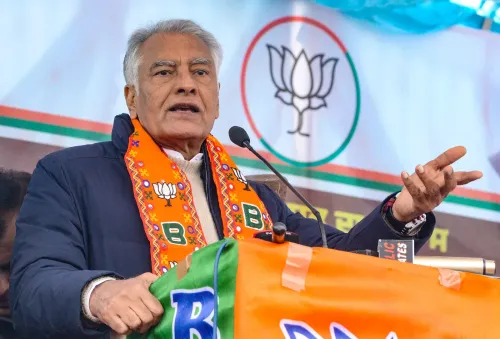
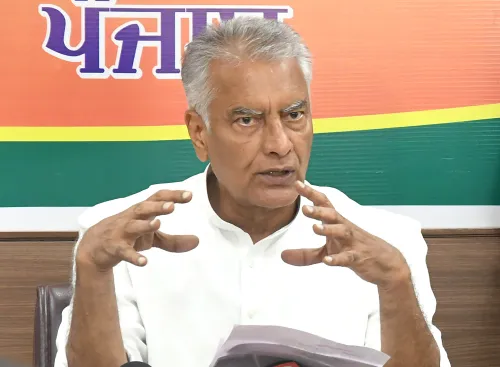
Former Punjab BJP president Sunil Jakhar has urged the Ministry of External Affairs to take up the matter with Canada through diplomatic channels.
Canada's revised PGWP regulations have left hundreds of Indian students, largely from Punjab , facing possible deportation.
Affected students enrolled under earlier PGWP rules, investing lakhs of rupees in tuition and living costs based on the policy in force at admission.
Jakhar has called for a transitional arrangement or relief mechanism for students caught by the retroactive policy shift.
The appeal comes amid an already strained India-Canada diplomatic relationship, complicating swift resolution.
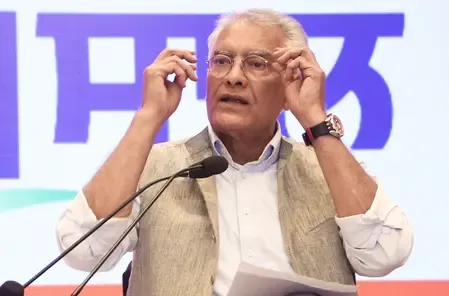
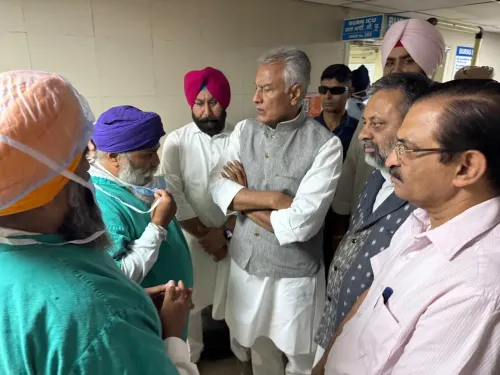
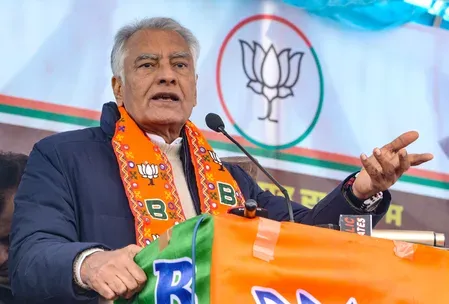
Former Punjab Bharatiya Janata Party (BJP) president Sunil Jakhar on Friday, 31 July called on the Ministry of External Affairs (MEA) to urgently intervene after recent changes to Canada's Post-Graduation Work Permit (PGWP) regulations left hundreds of Indian students — a large proportion of them from Punjab — facing the prospect of deportation. Jakhar warned that the policy shift has inflicted severe financial and psychological distress on affected families who had invested lakhs of rupees based on rules that were in force at the time of enrolment.
What Changed in Canada's PGWP Rules
The Canadian government recently revised its PGWP eligibility framework, altering the conditions under which international graduates can obtain work authorisation after completing their studies. Students who enrolled in Canadian colleges and universities under the earlier policy now find themselves ineligible or at risk under the revised norms. According to Jakhar, these individuals and their families made significant financial commitments — running into lakhs of rupees — on the basis of the policy that existed at the time of admission, making the sudden regulatory shift particularly damaging.
Jakhar's Appeal to the MEA
In a formal statement, Jakhar urged the Ministry of External Affairs to immediately raise the matter with the Canadian government through diplomatic channels. He argued that while sovereign nations retain the right to revise domestic policy, such changes should not be applied retroactively in ways that punish students who enrolled in good faith. “Appropriate relief or a transitional arrangement should be provided for these students to ensure they are not subjected to unfair treatment,” he said.
Impact on Punjab Students and Families
The affected students are described as being in a state of deep uncertainty and severe mental distress, with many belonging to middle-class Punjab families who stretched their finances to fund overseas education. Jakhar characterised Indian students abroad as “a valuable part of the nation’s human capital,” arguing that protecting their interests is a shared national responsibility. This comes amid a broader period of tension in India-Canada diplomatic relations, which has already complicated consular and immigration processes for Indian nationals in Canada.
Broader Context: India-Canada Ties Under Strain
The PGWP controversy surfaces at a sensitive moment. India-Canada relations have been under strain following a series of diplomatic disputes in recent years, raising questions about the responsiveness of bilateral channels to resolve student welfare issues. Notably, Punjab is one of the largest source states for Indian students in Canada, making any adverse immigration policy change there disproportionately felt in the region. Advocacy groups and student unions have previously flagged the vulnerability of international students to mid-course policy changes that leave them with limited legal recourse.
What Happens Next
Jakhar has expressed confidence that the Government of India will engage with Ottawa at the earliest and secure meaningful relief for the affected students. The MEA has not yet issued a formal response to his appeal. Diplomatic engagement, if initiated, is expected to seek either a grandfathering clause for students admitted under the old PGWP rules or a structured transitional pathway to regularise their status.
Point of View
The MEA's ability to extract a quick bilateral fix is limited, which means the real pressure point is whether Ottawa can be persuaded to introduce a grandfathering clause on its own terms. Punjab's outsized exposure to Canadian immigration policy — a structural dependency built over two decades — also raises a larger question that no political leader has yet answered: why has no state or central body developed an early-warning system for policy shifts in major destination countries?
NationPress
15 Sept 2026
Frequently Asked Questions
What are the new Canada PGWP rule changes affecting Indian students?
Canada has revised the eligibility conditions for its Post-Graduation Work Permit, altering criteria that international graduates must meet to obtain post-study work authorisation. Students who enrolled under the previous, more permissive rules now find themselves at risk of ineligibility or deportation under the revised framework.
Why are Punjab students especially affected?
Punjab is one of India's largest source states for students studying in Canada, meaning any adverse shift in Canadian immigration policy has a disproportionate impact on the region. A significant share of the hundreds of affected students reportedly come from Punjab, where families have invested heavily in overseas education.
What has Sunil Jakhar demanded from the Indian government?
Former Punjab BJP president Sunil Jakhar has formally urged the Ministry of External Affairs to immediately raise the issue with the Canadian government through diplomatic channels. He has called for a transitional arrangement or relief clause for students who enrolled under the old PGWP rules.
Has the MEA responded to Jakhar's appeal?
As of the time of reporting, the Ministry of External Affairs has not issued a formal public response to Jakhar's appeal. Diplomatic engagement, if initiated, is expected to seek either a grandfathering provision or a structured regularisation pathway for affected students.
Can affected students take any legal recourse?
The source does not specify available legal options for affected students. Jakhar's statement implies that the primary route being pursued is diplomatic — through the MEA engaging the Canadian government — rather than individual legal action, though students may independently seek immigration legal advice in Canada.