Jal Shakti Minister CR Paatil Visits Flood-Hit Surat, Navsari
Synopsis
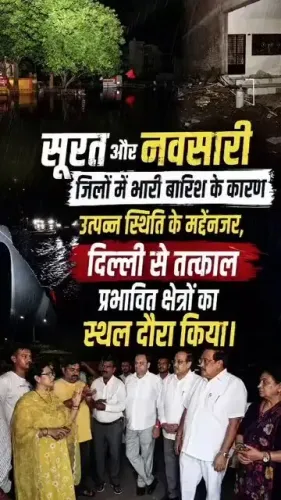
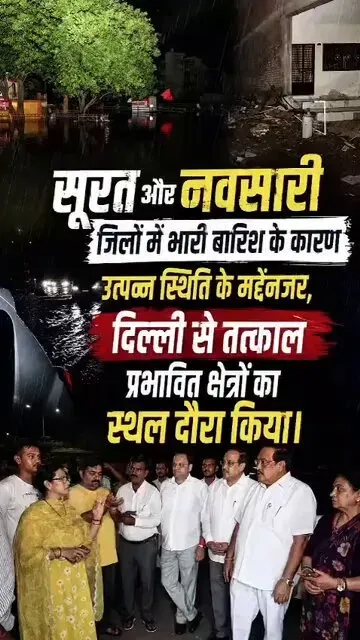
Union Jal Shakti Minister C. R. Paatil visited flood-affected areas in Surat and Navsari districts on 9 July 2026, sharing footage from the ground inspection on X as heavy monsoon rainfall battered South Gujarat.
Key Takeaways
Paatil , Union Minister of Jal Shakti, conducted a field visit to flood-hit areas in Surat and Navsari districts on 9 July 2026 .
The visit was prompted by heavy monsoon rainfall causing significant disruption across both South Gujarat districts.
The minister shared video footage from the site inspection on X (formerly Twitter) , describing it as a 'glimpse' of the ground situation.
The Ministry of Jal Shakti , formed in 2019 , oversees flood management and can facilitate release of funds under SDRF or NDRF mechanisms.
State-central coordination on damage assessment reports is expected to follow, potentially unlocking emergency relief and infrastructure funds.
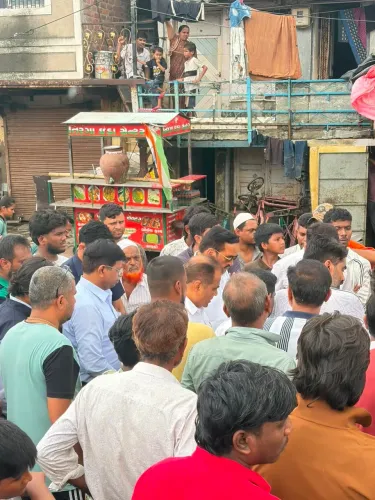
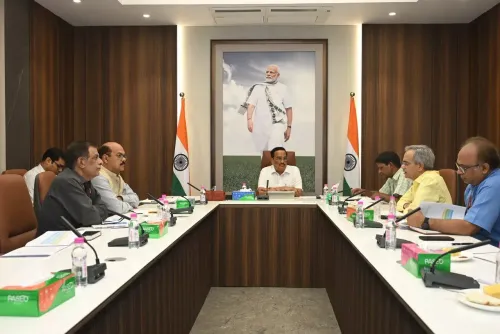
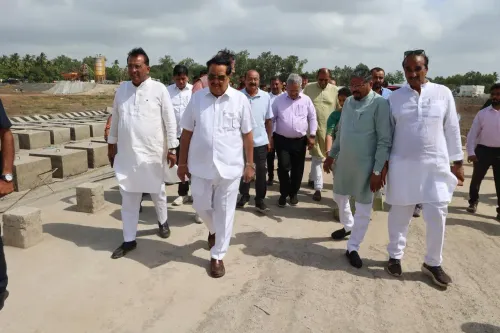
Union Jal Shakti Minister C. R. Paatil on Thursday, 9 July 2026 conducted a ground-level inspection of areas affected by heavy monsoon rainfall in Surat and Navsari districts of Gujarat, sharing visuals from the site visit on social media to highlight the flood situation on the ground.
Posting on X, the minister shared footage from his field tour, captioning it in Gujarati: 'સુરત અને નવસારી જિલ્લામાં ભારે વરસાદને કારણે સર્જાયેલી પરિસ્થિતિના અનુસંધાનમાં અસરગ્રસ્ત વિસ્તારોની સ્થળ મુલાકાત લીધી' — meaning, 'In the context of the situation created by heavy rainfall in Surat and Navsari districts, I visited the affected areas.' The post described the video as 'a glimpse' of that visit.
Context
Surat is a major industrial district in South Gujarat that has historically been vulnerable to monsoon flooding, with its dense urban fabric and river systems presenting recurring drainage challenges. Navsari, an agricultural district adjoining Surat, is equally prone to inundation during periods of intense seasonal rainfall. Heavy precipitation events in this belt can displace communities, damage standing crops, and strain local civic infrastructure.
Ministerial field visits of this nature serve a dual purpose: they allow senior officials to assess damage firsthand and signal central government attention to state-level disaster response machinery.
Policy Backdrop
The Ministry of Jal Shakti, created in 2019 by merging the erstwhile Ministries of Water Resources and Drinking Water and Sanitation, holds a broad mandate that includes flood management, river basin coordination, and oversight of embankment and drainage works. The ministry works in conjunction with the National Disaster Management Authority (NDMA) under federal disaster protocols.
When heavy rainfall causes significant damage in states, the central government can release funds through the State Disaster Response Fund (SDRF) or the National Disaster Response Fund (NDRF) mechanisms, subject to damage assessment reports submitted by state governments. A senior minister's ground visit often precedes or accompanies the formal assessment process.
Stakeholders and Impact
Flood-affected residents in both districts — spanning urban workers in Surat's textile and diamond industries as well as farming communities in Navsari — stand as the primary stakeholders in any relief and rehabilitation response. Agricultural losses during the kharif season can have downstream consequences for rural livelihoods across South Gujarat.
State government agencies, including the Gujarat State Disaster Management Authority, are responsible for coordinating immediate relief operations, while the central ministry's involvement can unlock additional resources and technical support for longer-term drainage and embankment works.
What's Next
The site visit by Minister Paatil is expected to feed into state-central coordination on formal damage assessment reports, which are a prerequisite for activating SDRF or NDRF disbursements. Observers will watch whether the visit translates into specific announcements on flood-mitigation infrastructure or emergency relief packages for the two districts. Longer-term, recurring flooding in South Gujarat's river basins has kept the question of structural drainage upgrades on the policy agenda — a conversation the Jal Shakti Ministry is positioned to lead.
Frequently Asked Questions
Why did CR Paatil visit Surat and Navsari?
Union Jal Shakti Minister C. R. Paatil visited Surat and Navsari on 9 July 2026 to inspect areas affected by heavy monsoon rainfall and assess the flood situation on the ground.
What is the Ministry of Jal Shakti's role in flood relief?
The Ministry of Jal Shakti oversees flood management and river basin coordination. It works with NDMA and can facilitate release of funds through SDRF or NDRF mechanisms once state governments submit damage assessment reports.
Which districts in Gujarat were affected by heavy rain in July 2026?
Surat and Navsari districts in South Gujarat were affected by heavy monsoon rainfall, prompting the Union Jal Shakti Minister's field visit on 9 July 2026.
What funds can be released for flood-hit states in India?
The central government can release disaster relief funds through the State Disaster Response Fund (SDRF) or the National Disaster Response Fund (NDRF), subject to damage assessment reports from the affected state.