Jal Shakti Minister Paatil backs PM Modi's semiconductor value chain vision
Synopsis
Union Jal Shakti Minister C. R. Paatil on 4 July 2026 amplified PM Modi's call to complete India's electronics value chain — from product assembly to components to semiconductor fabrication — under the Make in India and Viksit Bharat frameworks.
Key Takeaways
Union Jal Shakti Minister C.
Paatil shared PM Narendra Modi 's statement on building a complete electronics value chain in India on 4 July 2026 .
Modi described a three-stage progression: product assembly , then components , then semiconductors .
The post was tagged #SemiconHubBharat , reflecting a government-backed campaign for semiconductor self-reliance.
The India Semiconductor Mission , approved in December 2021 , carries an outlay of Rs 76,000 crore to build domestic chip fabrication capacity.
Make in India was launched in September 2014 and has progressively deepened its electronics localisation goals over the past decade.
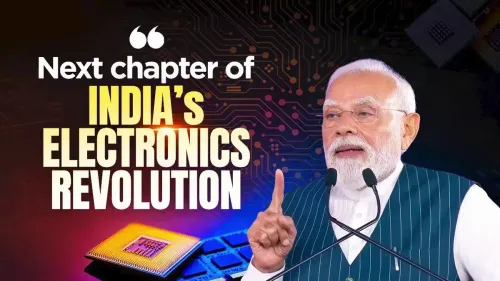
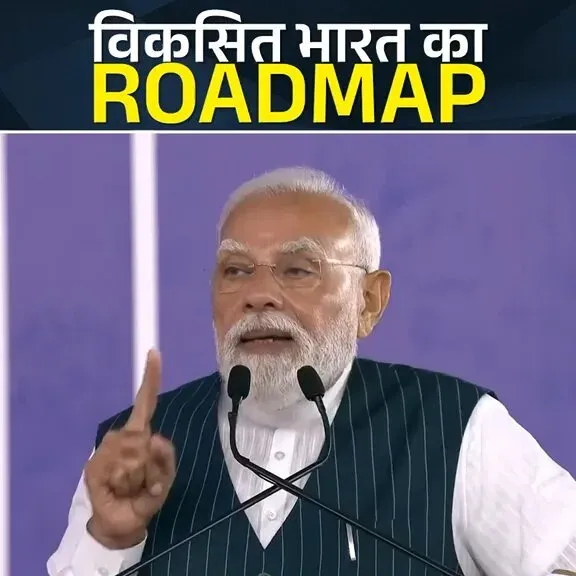
Union Jal Shakti Minister C. R. Paatil on Saturday, 4 July 2026 amplified Prime Minister Narendra Modi's vision for building a complete electronics value chain in India, sharing a video that traces the country's manufacturing ambitions from finished products to components to semiconductors.
Context
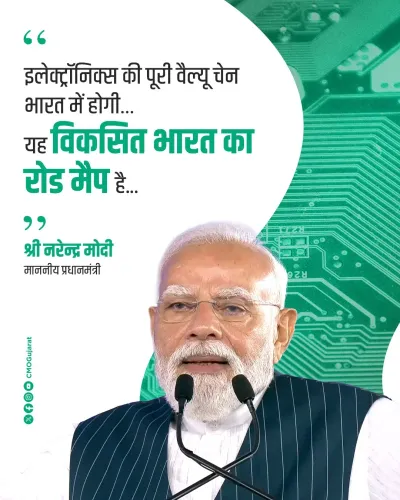
Paatil quoted Modi as saying: 'पहले Product, फिर Components और अब Semiconductor' ('First the product, then components, and now semiconductors') — framing this progression as the roadmap for Viksit Bharat (Developed India) and the next phase of Make in India. The post, tagged #SemiconHubBharat, underscores the government's stated ambition to indigenise the entire electronics supply chain within India.
The sequencing Modi described — product assembly first, then component manufacturing, then semiconductor fabrication — mirrors the staged indigenisation strategy that India's electronics sector has followed over the past decade. Paatil's amplification of the message signals broad Cabinet-level alignment behind the semiconductor push.
Policy Backdrop
The Make in India programme, launched in September 2014, initially focused on attracting final-assembly investments in electronics, mobile phones, and consumer goods. Over the following years, the policy emphasis shifted toward deeper localisation of components such as printed circuit boards, camera modules, and batteries.
The India Semiconductor Mission, approved in December 2021 with an outlay of Rs 76,000 crore, marked the government's most ambitious step yet — providing financial incentives for semiconductor fabrication, display manufacturing, and chip design units. The mission is designed to reduce India's dependence on imported chips, which are critical inputs for everything from smartphones to automobiles to defence systems.
Global semiconductor shortages since 2021 and intensifying geopolitical competition over chip technology have added urgency to India's push for domestic wafer fabrication capacity.
Stakeholders and Impact
Electronics manufacturers operating in India stand to benefit most directly from a mature domestic semiconductor supply chain, as locally sourced chips would reduce input costs and insulate production from global supply disruptions. Semiconductor investors — both domestic and foreign — are watching India's incentive utilisation rates and the commissioning timelines of approved fabrication projects as key signals of policy credibility.
For consumers, a complete value chain within India could over time translate into more competitively priced electronics and reduced vulnerability to import-driven price shocks. For the broader economy, semiconductor manufacturing is capital- and skill-intensive, with significant multiplier effects on employment and ancillary industries.
What's Next
Parliamentary scrutiny of the India Semiconductor Mission's incentive disbursement and project commissioning timelines is expected to intensify as the government's Viksit Bharat targets approach. The #SemiconHubBharat campaign signals that the ruling party intends to make semiconductor self-reliance a visible political and policy priority in the months ahead.
Whether India can translate its incentive architecture into operational fabrication capacity — completing the value chain from product to component to chip — will be the defining test of this phase of Make in India.
Point of View
Reinforcing that the semiconductor push is not a standalone ministry initiative but a whole-of-government priority. By quoting Modi directly and using the hashtag #SemiconHubBharat, the ruling party is building a political narrative around chip self-reliance ahead of what are likely to be key commissioning milestones for approved fabrication projects. The three-stage framing — product, component, semiconductor — also serves a domestic political purpose: it presents the government's decade-long electronics policy as a coherent, escalating strategy rather than a series of reactive measures. The real test, however, lies in whether incentive disbursements translate into operational fabs, a question that will define the credibility of the Viksit Bharat manufacturing narrative.
NationPress
4 Jul 2026
Frequently Asked Questions
What is India's semiconductor mission and how much money has been allocated?
The India Semiconductor Mission, approved in December 2021, has an outlay of Rs 76,000 crore to provide financial incentives for semiconductor fabrication, display manufacturing, and chip design units in India.
What did PM Modi say about India's electronics value chain?
PM Modi described a three-stage progression for India's electronics manufacturing: first product assembly, then components, and now semiconductors — framing this as the roadmap for Viksit Bharat and the next phase of Make in India.
What is #SemiconHubBharat?
#SemiconHubBharat is a hashtag used by government ministers and officials to promote India's ambition to become a global semiconductor manufacturing hub under the India Semiconductor Mission and Make in India programme.
When was Make in India launched and what is its goal in electronics?
Make in India was launched in September 2014 to position India as a global manufacturing destination. In electronics, it has progressively moved from promoting final assembly to component production and now targets domestic semiconductor fabrication.
Why is C. R. Paatil, a Jal Shakti Minister, posting about semiconductors?
As a senior BJP leader and Union Cabinet Minister, C. R. Paatil routinely amplifies broader government policy messaging beyond his own ministry's portfolio, signalling Cabinet-level unity behind the semiconductor and Make in India agenda.