Jal Shakti Minister Paatil Chairs All-India Water Secretaries Meet
Synopsis
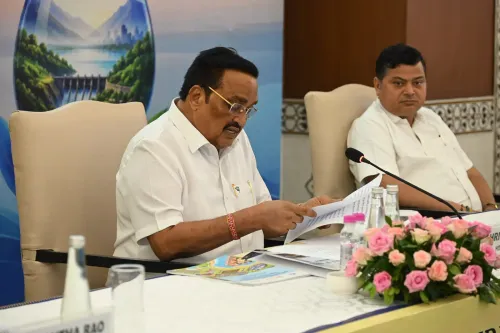
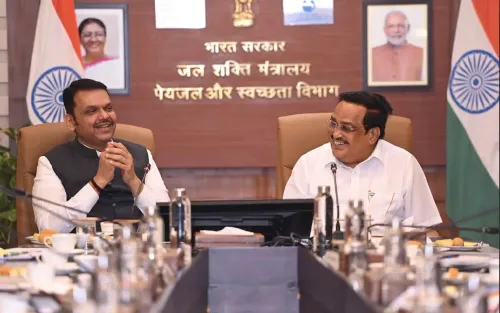
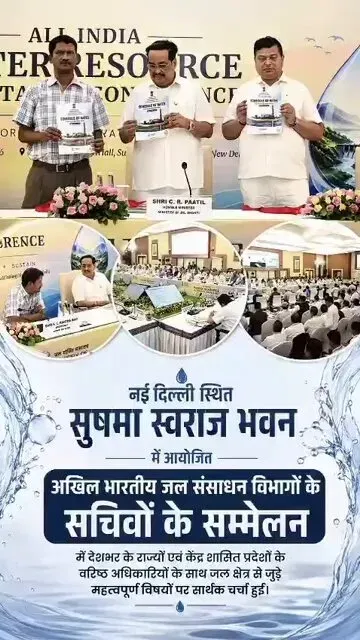
Union Jal Shakti Minister C. R. Paatil chaired an All-India conference of water resources department secretaries from states and Union Territories at Sushma Swaraj Bhawan, New Delhi, for substantive discussions on critical water sector issues, signalling the Centre's push to tighten coordination on national water schemes.
Key Takeaways
Union Jal Shakti Minister C.
Paatil chaired the All-India Conference of Water Resources Department Secretaries in New Delhi on 13 July 2026 .
The conference was held at Sushma Swaraj Bhawan , a central government venue regularly used for inter-governmental meetings.
Senior officials from all states and Union Territories participated in discussions on critical water sector issues.
The Ministry of Jal Shakti , formed in May 2019 , oversees flagship programmes including the Jal Jeevan Mission and Jal Shakti Abhiyan .
Such secretaries' conferences are a standard mechanism to align state water governance with central priorities and review scheme implementation.
Follow-up advisories from the ministry and upcoming budget allocations will indicate what actions states are expected to take.
Union Jal Shakti Minister C. R. Paatil presided over the All-India Conference of Water Resources Department Secretaries at Sushma Swaraj Bhawan, New Delhi, bringing together senior officials from states and Union Territories across the country for substantive discussions on critical issues in the water sector. The minister shared a glimpse of the conference proceedings on 13 July 2026, underscoring the Centre's push to align state-level water governance with national priorities.
Context
Paatil's post, shared in Hindi, described the gathering as an occasion for 'sarthak charcha' (meaningful discussion) on important subjects related to the water sector, involving senior officials from states and Union Territories. The conference was held at Sushma Swaraj Bhawan, a central government venue in New Delhi named after former External Affairs Minister Sushma Swaraj and regularly used for high-level inter-governmental meetings.
Such secretaries-level conferences are a standard mechanism through which the Ministry of Jal Shakti coordinates with state water departments, addressing implementation gaps in national schemes and navigating the constitutional division of powers over water resources.
Policy Backdrop
The Ministry of Jal Shakti was created in May 2019 by merging the erstwhile Ministry of Water Resources, River Development and Ganga Rejuvenation with the Ministry of Drinking Water and Sanitation, consolidating the Centre's approach to the water sector under a single administrative roof. The ministry oversees flagship programmes including the Jal Jeevan Mission, launched in 2019 to provide functional household tap water connections to every rural home, and the Jal Shakti Abhiyan, an annual water conservation campaign targeting water-stressed districts.
India's water governance operates under a federal framework: water is a state subject under the Constitution, but the Union government plays a coordinating role on inter-state rivers, groundwater regulation, and large infrastructure funding. The National Water Policy 2012 remains the last major policy framework for integrated water resources management, and calls for its revision have grown louder as climate pressures intensify.
Stakeholders and Impact
The conference brought together the most senior bureaucrats responsible for water resources in every state and Union Territory — officials who directly oversee dam operations, irrigation networks, groundwater boards, and drinking water supply chains. Their participation signals that the agenda likely covered scheme implementation status, inter-state coordination challenges, and groundwater depletion, issues that affect hundreds of millions of farmers and urban and rural households alike.
For states lagging in Jal Jeevan Mission targets or facing acute groundwater stress, such meetings serve as both a review mechanism and an opportunity to flag resource and capacity constraints to the Centre. The outcomes of these deliberations can shape ministry advisories, fund-release decisions, and technical guidelines issued to state agencies.
What's Next
Formal directives or advisory circulars from the Ministry of Jal Shakti following the conference will indicate which issues were prioritised and what corrective actions states have been asked to take. Parliamentary discussions in the next session and allocations in the forthcoming Union Budget will be key indicators of whether the conference's conclusions translate into policy or financial commitments. Observers of India's water sector will also watch for any signal on a revised National Water Policy, a long-pending reform that such high-level consultations are expected to inform.
Point of View
The Centre is signalling that it views implementation gaps and inter-state coordination as issues requiring direct ministerial attention rather than routine correspondence. For C. R. Paatil, who took charge of the ministry after the 2024 general election, such high-visibility engagements also serve to establish his administrative footprint in a technically complex portfolio. The meeting's outcomes will be a litmus test for whether federal water coordination under the current dispensation moves beyond periodic review toward durable structural reform.
NationPress
13 Jul 2026
Frequently Asked Questions
What is the All-India Conference of Water Resources Department Secretaries?
It is a periodic meeting convened by the Union Ministry of Jal Shakti where the most senior water-department bureaucrats from all states and Union Territories gather to discuss implementation of national water schemes, inter-state coordination, and policy priorities.
Who is C. R. Paatil and what is his role?
C. R. Paatil is a senior BJP leader and former Gujarat state BJP president who currently serves as Union Minister of Jal Shakti, the central ministry responsible for water resources, river development, and drinking water programmes.
What is the Jal Jeevan Mission?
The Jal Jeevan Mission is a flagship central scheme launched in 2019 with the goal of providing a functional household tap water connection to every rural home in India; it is one of the primary programmes overseen by the Ministry of Jal Shakti.
Where is Sushma Swaraj Bhawan located?
Sushma Swaraj Bhawan is located in New Delhi and is a central government conference venue named after former External Affairs Minister Sushma Swaraj; it is regularly used for high-level inter-governmental meetings.
Why does the Centre hold meetings with state water department secretaries?
Water is a state subject under India's Constitution, so the Union government uses secretaries' conferences to coordinate on shared rivers, groundwater management, and national scheme implementation, aligning state action with central priorities without overriding state authority.