Jal Shakti Minister Paatil marks Samvidhan Hatya Diwas
Synopsis
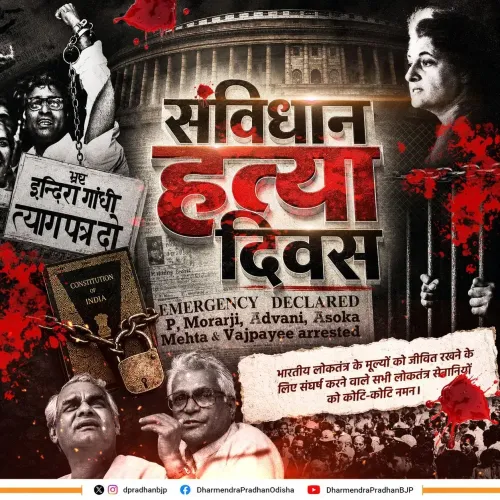
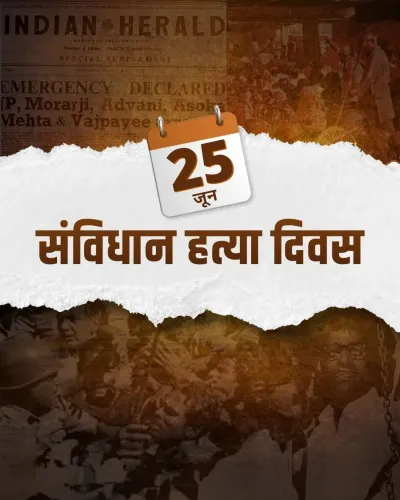
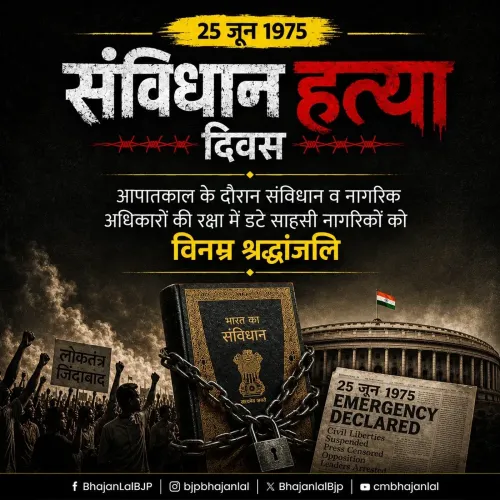
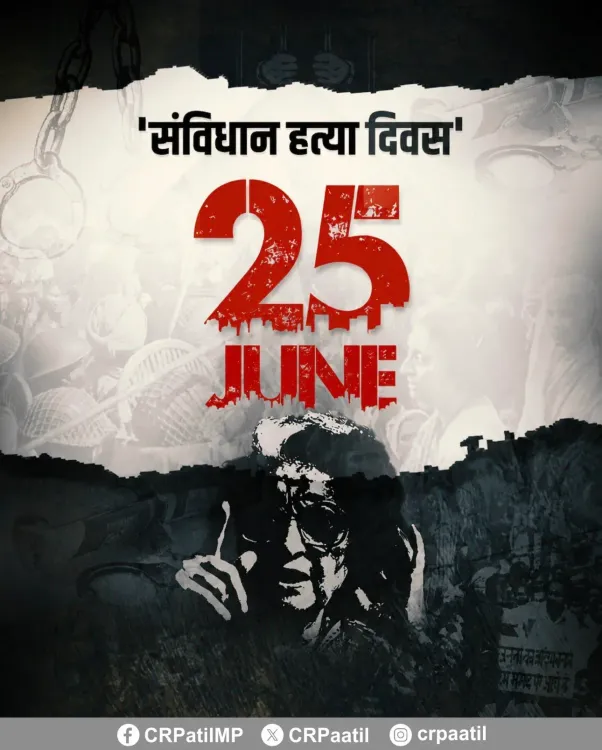
Union Jal Shakti Minister C. R. Paatil on 25 June 2026 observed Samvidhan Hatya Diwas, the BJP-institutionalised anniversary of the 1975 Emergency, calling on citizens to reaffirm constitutional ideals and place democratic values above all else.
Key Takeaways
Paatil , Union Minister of Jal Shakti and senior BJP leader, posted on 25 June 2026 to mark Samvidhan Hatya Diwas .
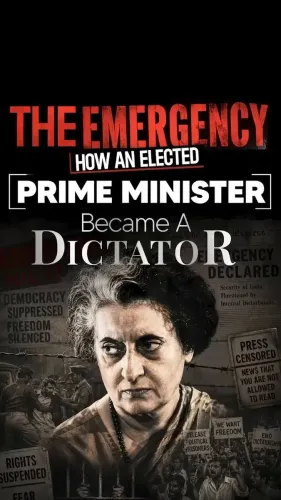
The day commemorates the proclamation of the 1975 Emergency under Article 352 by the government of Indira Gandhi , which lasted 21 months .
Paatil described the period as one when 'the fundamental spirit of the Constitution, the freedom of democratic institutions, and the rights of citizens were crushed.' He appealed to citizens to re-strengthen their commitment to constitutional ideals and resolve to keep democratic values and national interest paramount.
The BJP has institutionalised the annual observance of Samvidhan Hatya Diwas as part of its political and historical narrative around the Emergency.
The 44th Constitutional Amendment (1978) restored fundamental rights curtailed during the Emergency period.
Union Jal Shakti Minister C. R. Paatil on 25 June 2026 invoked Samvidhan Hatya Diwas (Constitution Murder Day), calling on citizens to reaffirm their commitment to constitutional ideals and democratic values, marking the anniversary of the 1975 Emergency imposed by the then-government.
Context
In his post, Paatil described Samvidhan Hatya Diwas as 'a remembrance of that era in Indian democracy when the fundamental spirit of the Constitution, the freedom of democratic institutions, and the rights of citizens were crushed.' He appealed to all to 're-strengthen their commitment to constitutional ideals and resolve to place democratic values and national interest above all else.'
The date marks the proclamation of the Emergency on 25 June 1975 under Article 352 of the Constitution by the government of then-Prime Minister Indira Gandhi, citing internal disturbance. The 21-month period that followed saw widespread suspension of civil liberties, arrests of political opponents, and censorship of the press before the Emergency was revoked in March 1977.
Policy Backdrop
The 44th Constitutional Amendment of 1978, passed after the Emergency ended, restored several fundamental rights that had been curtailed during the period and introduced additional safeguards against future misuse of emergency provisions.
The Bharatiya Janata Party (BJP), of which Paatil is a senior leader and former Gujarat state president, has institutionalised the annual observance of Samvidhan Hatya Diwas to highlight what it frames as a dark chapter in India's democratic history. The commemoration is part of a broader pattern of historical narrative-building by the ruling party, positioning the Emergency as a cautionary reference point in ongoing debates over institutional autonomy and civil liberties.
Stakeholders and Impact
The observance directly addresses citizens as stakeholders, urging a public renewal of constitutional fidelity. Paatil's appeal to place 'democratic values and national interest above all else' carries resonance across political lines, even as the framing of the anniversary remains a point of contestation between the BJP and the Indian National Congress, the party in power during the Emergency.
Opposition parties, particularly the Congress, have historically pushed back against the BJP's framing of the Emergency anniversary, offering alternative readings of that period's political context. The day therefore serves as a recurring flashpoint in India's ongoing debate over constitutional supremacy and institutional independence.
What's Next
Responses from the Congress and other opposition parties are expected through the day, as competing narratives around the Emergency anniversary play out on social media and in public discourse. With the monsoon session of Parliament approaching, references to constitutional values and democratic safeguards may also surface in parliamentary debate. The anniversary continues to serve as a live reference point in India's political conversation about the limits of executive power and the primacy of the Constitution.
Point of View
Particularly relevant as the party contests narratives around institutional autonomy. By framing the anniversary in the language of constitutional supremacy and civil liberties rather than partisan attack, Paatil pitches the message at a broader audience beyond the party faithful. The appeal to citizens to 'resolve to place national interest above all else' is carefully calibrated to sound non-partisan while reinforcing the BJP's self-positioning as the guardian of democratic values. As India's political cycle intensifies, such commemorations are likely to grow in visibility, with the Emergency anniversary functioning as a recurring wedge issue between the ruling party and the Congress.
NationPress
25 Jun 2026
Frequently Asked Questions
What is Samvidhan Hatya Diwas?
Samvidhan Hatya Diwas , or Constitution Murder Day, is an observance marked on 25 June each year to commemorate the proclamation of the 1975 Emergency by the government of Indira Gandhi , which suspended civil liberties and curtailed democratic institutions for 21 months . The BJP has institutionalised the annual observance.
Why did C. R. Paatil post about Samvidhan Hatya Diwas?
C. R. Paatil , Union Jal Shakti Minister and senior BJP leader, posted on 25 June 2026 to mark the anniversary of the 1975 Emergency , urging citizens to reaffirm their commitment to constitutional ideals and democratic values.
What was the 1975 Emergency in India?
The 1975 Emergency was a 21-month period from June 1975 to March 1977 during which Prime Minister Indira Gandhi's government invoked Article 352 of the Constitution, suspending civil liberties, arresting political opponents, and imposing press censorship.
What is the 44th Constitutional Amendment?
The 44th Constitutional Amendment of 1978 was passed after the Emergency ended to restore fundamental rights that had been curtailed during the period and to introduce additional safeguards against future misuse of emergency provisions.
How does the BJP observe the Emergency anniversary?
The BJP has institutionalised the annual observance of Samvidhan Hatya Diwas on 25 June , with party leaders and ministers posting statements and holding events to highlight what the party frames as a cautionary chapter in India's democratic history.