Jan Aushadhi scheme saves ₹45,000 crore in 12 years, covers 20,149 kendras
Synopsis
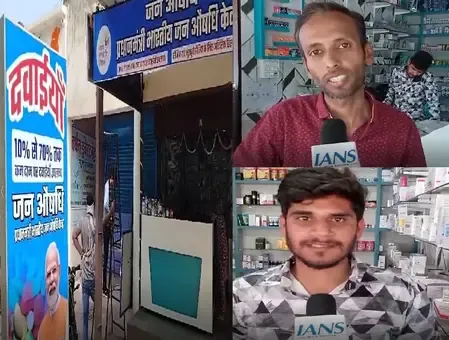
Over 12 years, the Jan Aushadhi scheme has saved Indian citizens an estimated ₹45,000 crore compared to branded medicine prices — with 20,149 kendras now operating across 776 of India's 784 districts. The scale signals a meaningful shift in how the Centre is tackling out-of-pocket healthcare costs, though rural penetration and stock consistency remain the real tests ahead.
Key Takeaways
The Pradhan Mantri Bhartiya Janaushadhi Yojana (PMBJP) has saved citizens an estimated ₹45,000 crore over 12 years compared to branded medicine prices.
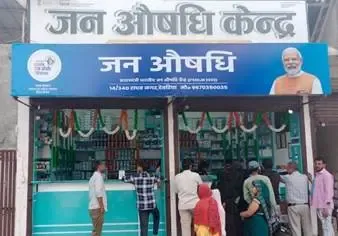
A total of 20,149 Jan Aushadhi Kendras are now operational nationwide.
776 out of 784 districts are covered under the scheme.
The product basket includes 2,110 medicines and 315 surgical items and medical devices .
JAK owners receive a monthly stocking incentive for maintaining 200 commonly used medicines .
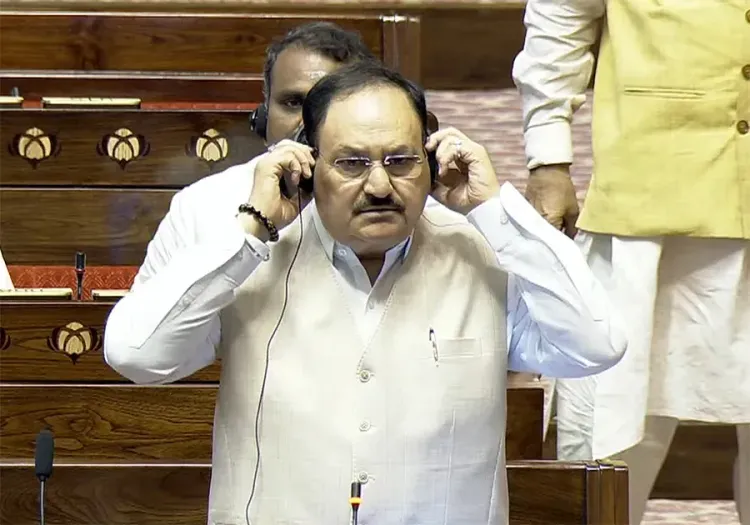
Union Minister Jagat Prakash Nadda disclosed the figures in the Lok Sabha on 25 July 2025 .
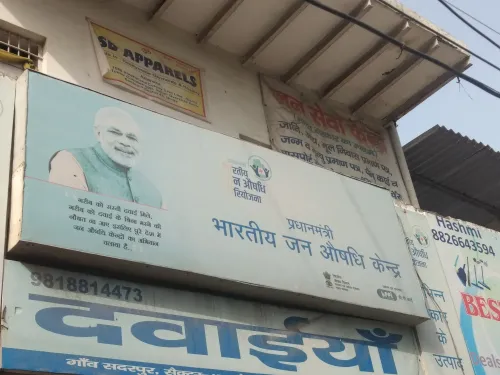
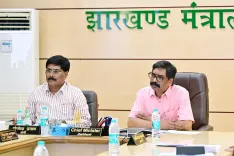
The Pradhan Mantri Bhartiya Janaushadhi Yojana (PMBJP) has generated estimated savings of ₹45,000 crore for citizens over 12 years, compared against the prices of branded medicines, Union Minister for Chemicals and Fertilizers Jagat Prakash Nadda informed the Lok Sabha on Friday, 25 July 2025. A total of 20,149 Jan Aushadhi Kendras (JAKs) have been established across the country, with 776 of India's 784 districts now covered under the programme.
Scale of the Scheme
The PMBJP product basket currently includes 2,110 medicines and 315 surgical items, medical consumables, and devices, spanning major therapeutic categories such as cardiovascular, anti-cancer, anti-diabetic, anti-infective, anti-allergic, and gastro-intestinal medicines, as well as nutraceuticals. Almost all generic medicines listed in the National List of Essential Medicines — barring lab reagents and vaccines — are part of this basket.
Nadda stated that the scheme has contributed significantly to a sharp reduction in out-of-pocket expenditure by households when measured against branded medicine prices.
How Jan Aushadhi Kendras Are Incentivised
To ensure consistent availability of critical drugs, the government has introduced a stocking incentive for 200 commonly used medicines — comprising the 100 top-selling medicines in the scheme's product basket and 100 fast-selling medicines in the broader market. JAK owners are eligible for a monthly incentive based on the stocks they maintain for these medicines.
The Pharmaceuticals and Medical Devices Bureau of India (PMBI), the implementing agency of PMBJP, continuously evaluates kendras on the basis of their sales performance and undertakes corrective measures to minimise stock shortages.
Awareness and Outreach Efforts
PMBI conducts awareness campaigns in coordination with platforms including the Central Bureau of Communication, PIB, MyGov, and MY Bharat to promote acceptability and increase the uptake of medicines sold through JAKs. Officials said continuous monitoring is in place to ensure essential medicine availability across the country.
What This Means for Public Healthcare
The scheme's rapid expansion reflects a broader Centre push to reduce the financial burden of healthcare on low- and middle-income households. India's out-of-pocket health expenditure has historically been among the highest in the world relative to overall health spending, making access to affordable generic medicines a critical policy lever. With coverage now extending to 99% of the country's districts, PMBJP is increasingly positioned as a frontline tool in India's public health infrastructure. The government's next challenge will be sustaining stock availability and deepening awareness in rural and semi-urban areas where branded medicine habits remain entrenched.
Point of View
000 crore savings figure is striking, but it rests on a comparison with branded medicine prices — a baseline that flatters the scheme's impact, since many patients would have sought cheaper alternatives regardless. The more meaningful metric is whether out-of-pocket expenditure as a share of household income has actually fallen in districts with high JAK density, data the government has not yet published in granular form. With 776 of 784 districts nominally covered, the coverage headline looks impressive; the harder question is utilisation — how many of those kendras are consistently stocked and actively visited. India's generic medicine habit is still being built, and awareness campaigns alone will not close the gap with deeply entrenched brand loyalty, particularly in Tier 2 and Tier 3 markets.
NationPress
24 Jul 2026
Frequently Asked Questions
What is the Pradhan Mantri Bhartiya Janaushadhi Yojana?
The Pradhan Mantri Bhartiya Janaushadhi Yojana (PMBJP) is a Central government scheme that provides quality generic medicines at affordable prices through a network of dedicated outlets called Jan Aushadhi Kendras. It is implemented by the Pharmaceuticals and Medical Devices Bureau of India (PMBI) and covers most medicines listed in the National List of Essential Medicines.
How much has the Jan Aushadhi scheme saved citizens so far?
The scheme has generated estimated savings of ₹45,000 crore for citizens over 12 years, measured against the prices of equivalent branded medicines. Union Minister Jagat Prakash Nadda disclosed this figure in the Lok Sabha on 25 July 2025.
How many Jan Aushadhi Kendras are currently operational?
As of the latest government data presented in Parliament, 20,149 Jan Aushadhi Kendras are operational across India, covering 776 of the country's 784 districts.
What medicines and products are available at Jan Aushadhi Kendras?
The PMBJP product basket includes 2,110 medicines and 315 surgical items, medical consumables, and devices. It spans therapeutic areas including cardiovascular, anti-cancer, anti-diabetic, anti-infective, anti-allergic, and gastro-intestinal medicines, along with nutraceuticals.
How does the government ensure medicine availability at Jan Aushadhi Kendras?
The government incentivises kendra owners to stock 200 commonly used medicines through a monthly stocking incentive. PMBI also continuously monitors sales performance and takes corrective measures to minimise stock shortages across the network.