J&K L-G Manoj Sinha urges translation of classical texts to guide youth
Synopsis
J&K L-G Manoj Sinha used a national heritage seminar in Srinagar to push for a living, research-driven engagement with Kashmir's civilisational legacy — backed by hard numbers: 106 conservation projects, 96.8 lakh archival pages digitised, and 43,000 manuscripts identified. With a call for the dignified return of Kashmiri Pandits and an invocation of Lalleshwari and Nund Rishi, the speech frames cultural revival as central to J&K's social reconstruction.
Key Takeaways
J&K L-G Manoj Sinha addressed a two-day national seminar on Kashmir's cultural heritage in Srinagar on 12 November 2026 .
He called on universities, teachers, and cultural institutions to translate classical texts and promote academic research.
Under conservation Phases I and II, 106 heritage projects have been initiated, with over 40 completed ; Phase III has identified 321 projects , of which 312 have received administrative approval.
Digitisation in Jammu and Srinagar archives has covered nearly 96.8 lakh pages , around 68% of available documents.
Mission Gyan Bharatam has identified 43,000 manuscripts for digitisation.
Sinha called for the dignified return of Kashmiri Pandits to restore the Valley's complete social and cultural fabric.
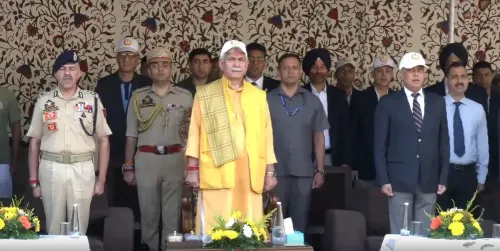
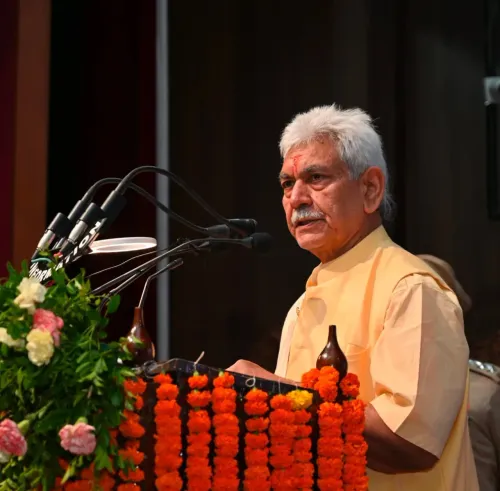
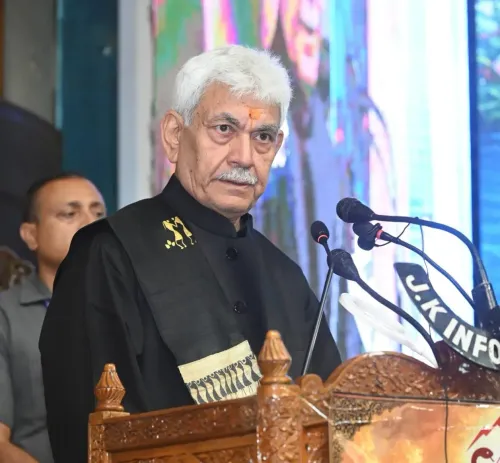
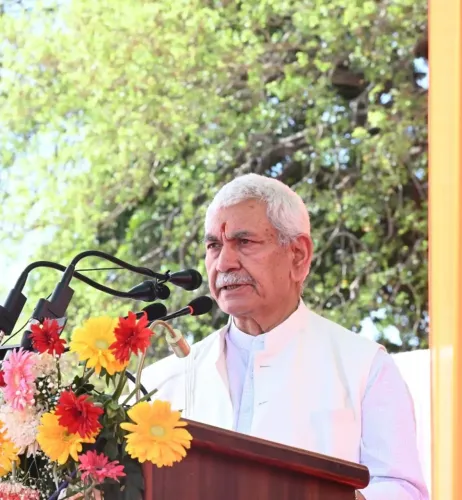
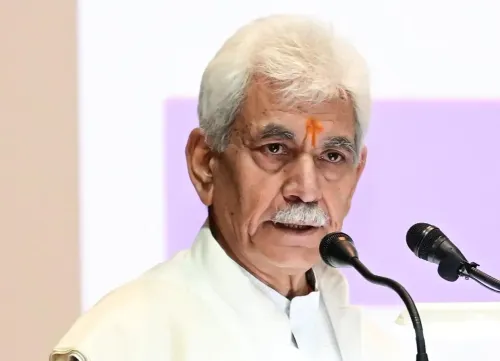
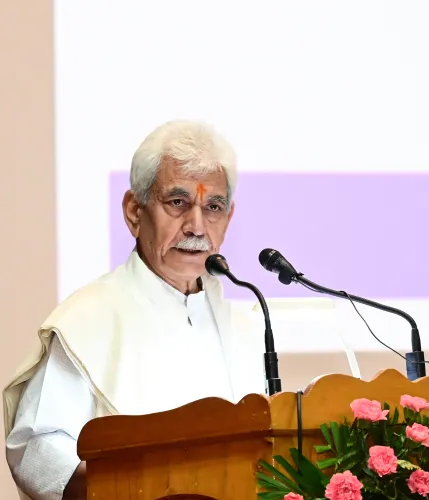
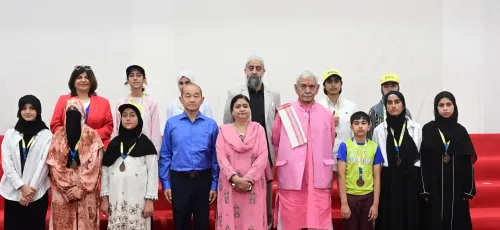
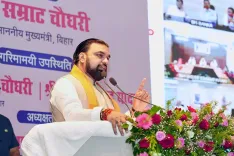
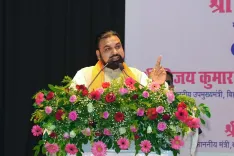
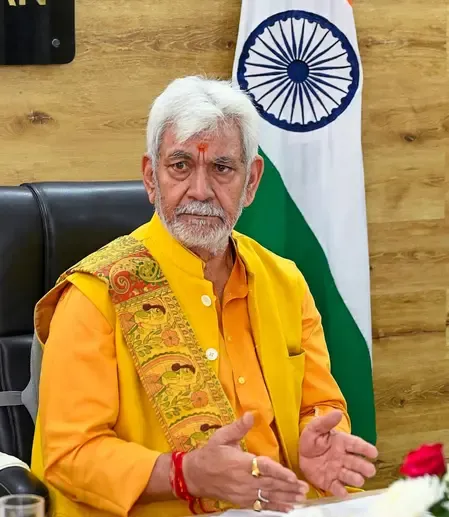
Jammu and Kashmir Lieutenant Governor Manoj Sinha on Thursday, 12 November 2026, called upon universities, teachers, and cultural institutions across the Union Territory to translate classical texts, promote academic research, and create shared platforms for scholars — asserting that the region's civilisational heritage must remain a living, active force for the younger generation. He was speaking at a two-day national seminar on 'Revival, Preservation and Sustainability of Cultural Heritage of Kashmir', organised by Kakini Building Humanity in Srinagar.
What the L-G Said
'Every university, every teacher, and every cultural institution of this land should work on translating important texts, encourage research, and provide scholars and students with a common platform. I believe that heritage must be alive, it must converse, and it must guide our new generation,' Sinha said at the event. Union Minister of Culture and Tourism Gajendra Singh Shekhawat also participated in the seminar virtually, lending central government weight to the occasion.
Sinha underlined that the present generation's responsibility extends beyond admiring historical wisdom — it must actively organise and make that wisdom accessible to society. He positioned cultural preservation as a people-centric movement rather than a government exercise alone.
Kashmir's Civilisational Legacy
The Lieutenant Governor noted that Jammu and Kashmir is recognised not only for its natural beauty but also for its deep contributions to philosophy, spirituality, language, aesthetics, and human thought. He specifically cited Acharya Abhinavagupta as a philosopher who embodied the unity of spiritual experience, art, and intellectual inquiry, stressing that young people must be introduced to the Valley's eminent thinkers.
Sinha also invoked the vaakhs of Yogini Lalleshwari and Nund Rishi, saying their words 'contain eternal truths that are untouched by the passage of time' and that preserving this tradition of harmony is a collective public responsibility. He reaffirmed Jammu and Kashmir's tradition of communal harmony, adding that the heritage of every community must be preserved with sensitivity.
Key Conservation Figures
Highlighting progress under Prime Minister Narendra Modi's leadership, Sinha detailed a substantial heritage revival drive across the Union Territory. Under Phase I and II of the conservation initiative, preservation work has been initiated on 106 heritage projects, with over 40 already completed. Under Phase III, 321 projects have been identified, of which 312 have received administrative approval.
In the Jammu and Srinagar archives, digitisation of historical records has covered nearly 96.8 lakh pages — approximately 68 per cent of available documents. Under Mission Gyan Bharatam, surveys have identified 43,000 manuscripts, with digitisation progressing steadily.
Sites Under Restoration
Sinha pointed to active restoration and modernisation work at several cultural landmarks: the Sufiana School in Srinagar, Abhinav Theatre and Kala Kendra in Jammu, and the historic Mubarak Mandi complex. He also referenced ongoing research into recently discovered Kushan-era Buddhist remains in Baramulla district, signalling the breadth of archaeological engagement in the region.
Welcoming documentation initiatives at the Naranag Heritage Complex in Ganderbal by Kakini Building Humanity, Sinha expressed hope that physical restoration work would begin once procedural requirements are fulfilled. He also praised efforts surrounding the Harmukh-Gangbal pilgrimage and welcomed the organisation's establishment of a dedicated chair at the Indian Heritage Institute.
Kashmiri Pandits and Social Fabric
Sinha underscored the invaluable contribution of Kashmiri Pandits to the Valley's literary, spiritual, and cultural heritage, stating that their dignified return would help restore Kashmir's complete social and cultural fabric. He commended the Department of Archives, Archaeology and Museums, scholars, archivists, museum professionals, former Army officers, and civil society organisations for their ongoing contributions to cultural conservation and nation-building.
The seminar signals a renewed institutional push to position cultural heritage not as a relic, but as a framework for identity and social cohesion in a Union Territory still navigating its post-2019 political landscape.
Point of View
96.8 lakh digitised pages — are substantial, but the gap between administrative approvals and on-ground completion remains wide; only 40 of 106 initiated projects are done. The real test of this cultural push is whether it outlasts the current administrative tenure and survives the political transitions J&K is likely to see.
NationPress
12 Nov 2026
Frequently Asked Questions
What did J&K L-G Manoj Sinha say at the Srinagar heritage seminar?
L-G Manoj Sinha called on every university, teacher, and cultural institution in Jammu and Kashmir to translate important classical texts, encourage academic research, and provide scholars and students with a common platform. He said heritage must be alive and must guide the new generation.
How many heritage projects are underway in Jammu and Kashmir?
Under Phases I and II of the conservation initiative, 106 heritage projects have been initiated, with over 40 already completed. Phase III has identified 321 projects, of which 312 have received administrative approval.
What is Mission Gyan Bharatam and how does it relate to Kashmir?
Mission Gyan Bharatam is a government initiative to survey and digitise ancient manuscripts. In Jammu and Kashmir, surveys under the mission have identified 43,000 manuscripts, with digitisation progressing steadily.
What was said about Kashmiri Pandits at the seminar?
L-G Sinha stated that the contribution of Kashmiri Pandits to the Valley's literary, spiritual, and cultural heritage is invaluable, and that their dignified return would help restore Kashmir's complete social and cultural fabric.
Which heritage sites are currently being restored in J&K?
Active restoration and modernisation work is under way at the Sufiana School in Srinagar, Abhinav Theatre and Kala Kendra in Jammu, and the Mubarak Mandi complex. Research into Kushan-era Buddhist remains in Baramulla district and documentation at the Naranag Heritage Complex in Ganderbal are also ongoing.