Srinagar Literary Fest 2025: L-G Sinha inaugurates two-day cultural event at SKICC
Synopsis
L-G Manoj Sinha opened the Srinagar Literary Festival with a sweeping argument: literature outlasts institutions, India's ancient scientific legacy has been systematically underrepresented, and writers — not governments — are the true architects of civilisation. The remarks, made at SKICC on 30 May, wove together the Hanuman metaphor, Alexander's steel, and India's 2047 vision into a single civilisational call to arms.
Key Takeaways
L-G Manoj Sinha inaugurated the two-day Srinagar Literary Festival at SKICC on 30 May 2025 ; the event runs through 31 May .
Sinha argued that a single novel can create more societal impact than institutions spending crores of rupees .
He called on scholars to restore India's authentic historical narrative and counter what he described as colonial distortions.
Sinha referenced Persian and Arab texts from the eighth century as evidence of India's unacknowledged contributions to mathematics, medicine and astronomy.
He declared India the world's fourth-largest economy and reaffirmed the 2047 Developed India vision.
Research cited at the event suggested more than 40 lakh books were published globally in 2025 , countering claims of a declining reading culture.
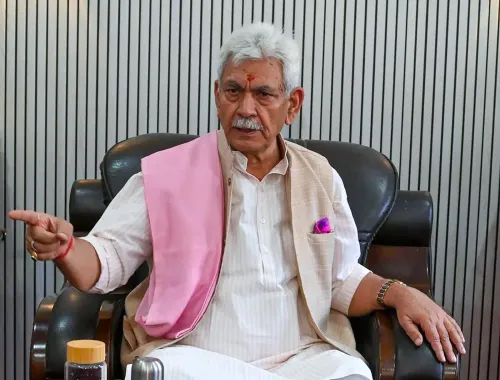
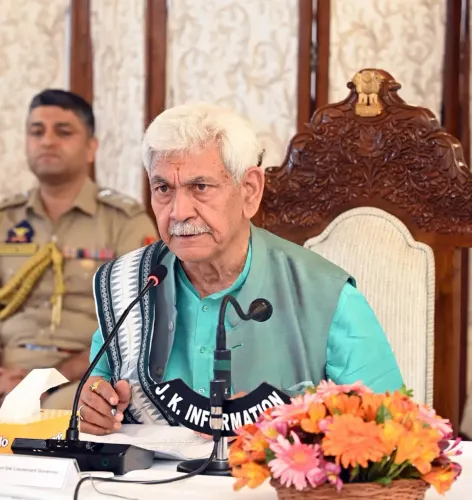
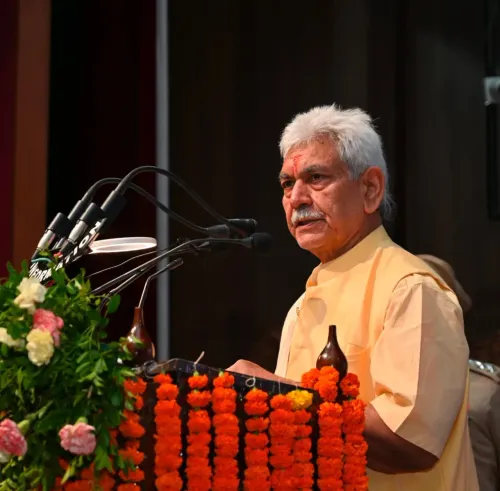
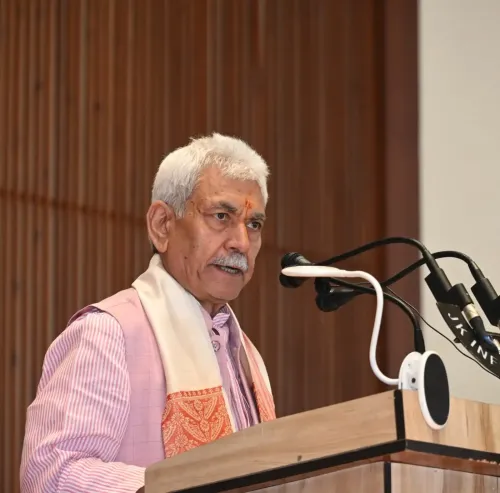
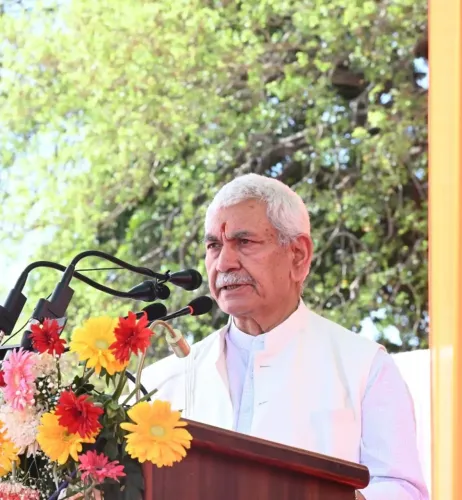
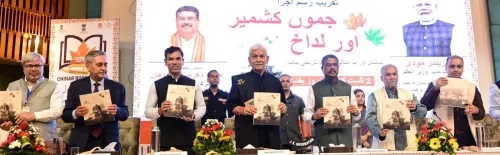
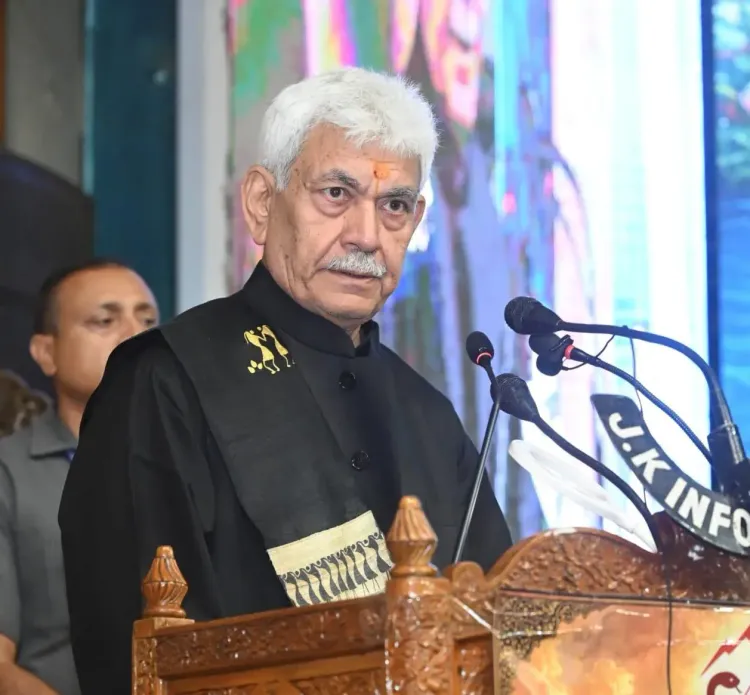
Jammu and Kashmir Lieutenant Governor Manoj Sinha on Saturday, 30 May inaugurated the two-day Srinagar Literary Festival at the Sher-e-Kashmir International Convention Centre (SKICC), declaring that all participants would experience the cultural, intellectual and literary depth of Kashmir first-hand. The festival runs through 31 May and has drawn writers, poets and scholars from across India.
L-G Sinha's Address: Literature Over Institutions
Welcoming delegates who had travelled to the Union Territory from outside, L-G Sinha said he was confident visitors would 'not only see but also deeply feel the literary, cultural and intellectual soul of this land.' He argued that writers, poets and scholars wield greater civilisational influence than institutions, noting that a single novel could achieve what crores of rupees in institutional spending sometimes could not.
'I have seen institutions spending crores of rupees, yet failing to create the impact that one novel can create in society,' he said. He called great poets and authors immortal through their creations, adding that while the human body is mortal, creative work endures across generations.
Reclaiming India's Civilisational Narrative
Invoking Prime Minister Narendra Modi's remarks from the ramparts of the Red Fort, L-G Sinha said the time had come to completely erase the colonial mindset and restore India's authentic historical narrative. He called on scholars and researchers to ensure that history is not presented in a distorted manner and that India's ancient contributions reach local readers and future generations.
He drew on a Ramayana metaphor to make his point: 'India's literary world is still like Lord Hanuman Ji before realising his own strength. Just as Lord Hanuman was reminded of his powers before crossing Lanka, our literary and intellectual community, too, must realise the depth of India's civilisational strength and present it to the world.'
India's Scientific Legacy and Historical Contributions
The Lieutenant Governor argued that India had laid the foundations of mathematics, science and astronomy centuries before many Western developments — contributions he said were acknowledged in Persian and Arab texts from the eighth century onwards but were subsequently obscured. He cited references to Alexander gifting special Indian steel associated with King Porus as evidence of India's advanced metallurgical traditions in antiquity.
'When many parts of the world were struggling in darkness, India was a major centre of science, culture and knowledge,' he said, adding that colonial rule had damaged confidence in India's own civilisational traditions. He noted that several researchers and scholars worldwide had acknowledged India's contributions to medicine, mathematics and scientific thought.
India's Present Rise and the 2047 Vision
L-G Sinha also highlighted India's contemporary achievements, noting that the country had become the world's fourth-largest economy and would achieve the vision of a developed nation by 2047. He said a new emotional awakening was visible in society, with citizens increasingly recognising their responsibility toward the nation.
Rejecting the perception that reading culture was declining, he cited research suggesting that more than 40 lakh books were published globally in 2025. He urged writers and intellectuals to leverage digital platforms and open-access communication to build strong, positive narratives for India on the world stage.
Point of View
But their deployment at a literary gathering signals an intent to enlist the creative community in that project. What is worth watching is whether the festival itself — its programming, its speakers, its debates — reflects the intellectual pluralism Sinha invoked, or whether the cultural depth he promised visitors is channelled in only one direction. Kashmir's literary tradition is rich and contested; a festival that genuinely surfaces that complexity would be more powerful than any institutional spend.
NationPress
15 Oct 2026
Frequently Asked Questions
What is the Srinagar Literary Festival 2025?
The Srinagar Literary Festival is a two-day cultural and literary event held on 30 and 31 May 2025 at the Sher-e-Kashmir International Convention Centre (SKICC) in Srinagar. It brings together writers, poets and scholars from across India to celebrate and discuss Kashmir's literary and intellectual heritage.
Who inaugurated the Srinagar Literary Festival?
Jammu and Kashmir Lieutenant Governor Manoj Sinha inaugurated the festival on Saturday, 30 May 2025, at SKICC. In his address, he emphasised the transformative power of literature and called on India's intellectual community to reclaim the country's civilisational narrative.
What did L-G Sinha say about India's historical contributions?
L-G Sinha said India laid the foundations of mathematics, science and astronomy centuries before many Western developments, with these contributions acknowledged in Persian and Arab texts from the eighth century onwards. He argued that colonial rule had obscured this legacy and called on scholars to restore an authentic historical record.
Why did L-G Sinha invoke PM Modi's Red Fort speech?
Sinha referenced Prime Minister Narendra Modi's remarks from the Red Fort to underline the call to erase the colonial mindset and ensure India's history is not presented in a distorted manner. He urged the literary and research community to carry that mission forward by taking authentic history to local readers and future generations.
What did L-G Sinha say about India's reading culture?
Sinha rejected the notion that reading is in decline, citing research suggesting more than 40 lakh books were published globally in 2025. He called on writers and intellectuals to use digital platforms and open-access communication to build positive narratives about India on the world stage.