J&K L-G Sinha: Ancient Hinduism embraced diversity, never imposed itself
Synopsis
At a Srinagar interfaith dialogue, J&K L-G Manoj Sinha drew a direct line from the Vedas to Kashmiriyat, arguing that India's 5,000-year civilisational tradition of absorbing diverse faiths — not imposing on them — is the antidote to today's global religious conflicts. The remarks carry particular resonance coming from the administrator of a region whose pluralist identity has been a recurring flashpoint.
Key Takeaways
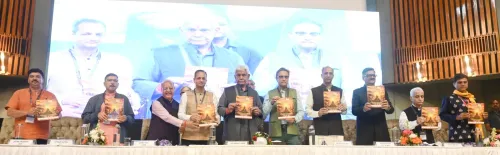
J&K L-G Manoj Sinha addressed an Interfaith Dialogue in Srinagar on 27 June , organised by the National Council for Promotion of Urdu Language and the Inter-Faith Harmony Foundation of India.
Sinha said Sanatana Dharma — described as the world's oldest living religion — never imposed itself but gave Christianity, Islam, Judaism, and Zoroastrianism freedom to flourish in India.
He invoked Vasudhaiva Kutumbakam and the concept of 'Bhartiyata' as the civilisational ethos underpinning India's pluralism.
Sinha linked Kashmiriyat directly to the broader philosophy of 'Indianness', tracing it to the Vedic age .
He noted that Sufi saints who arrived in India in the 12th–13th centuries drew inspiration from the Vedas, Upanishads, Buddhism, and Jainism.
Former Union Minister Dr.
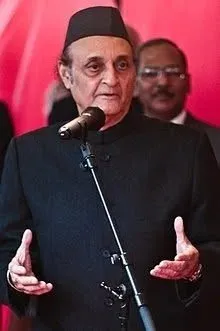
Karan Singh and University of Kashmir Vice Chancellor Nilofer Khan were among prominent attendees.
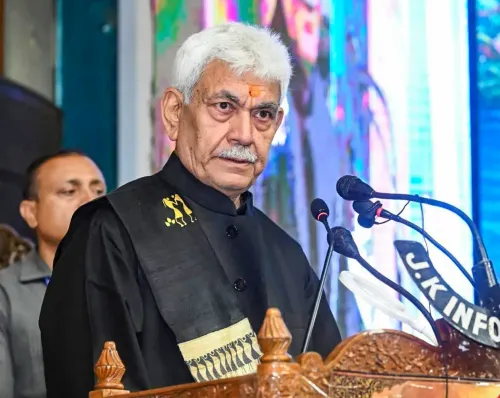
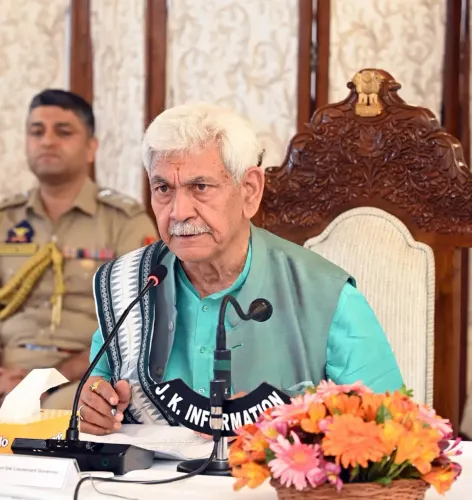
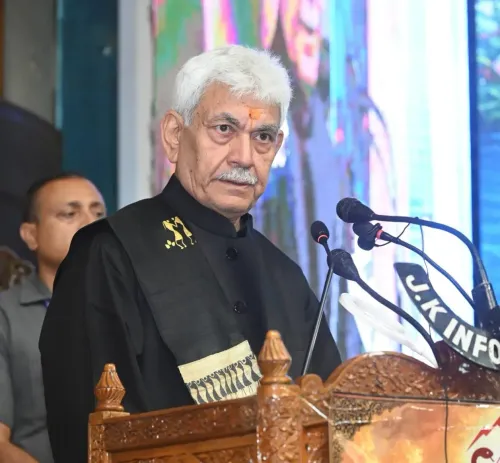
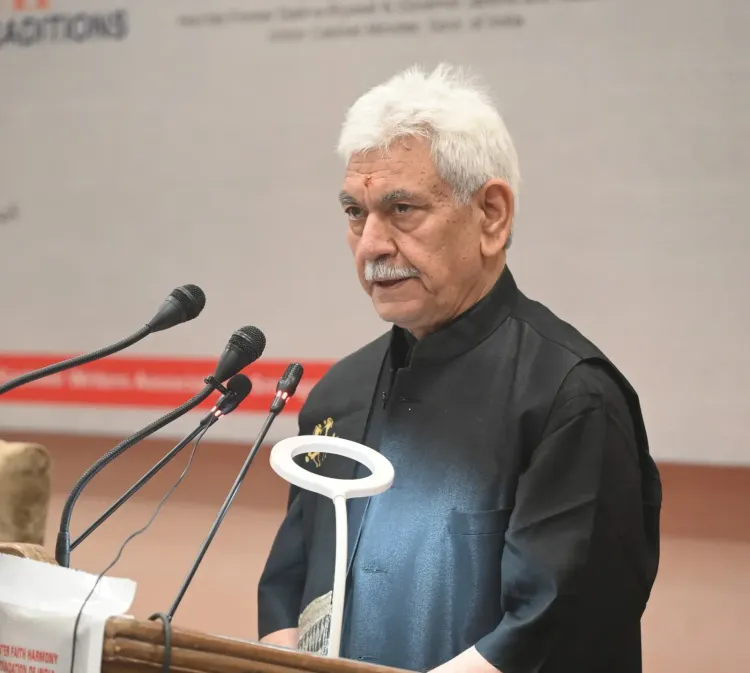
Jammu and Kashmir Lieutenant Governor Manoj Sinha on Saturday, 27 June declared that ancient Hinduism — Sanatana Dharma — never imposed itself on other faiths but instead built a civilisational foundation of coexistence and mutual respect. He made the remarks while addressing an Interfaith Dialogue event in Srinagar, organised jointly by the National Council for Promotion of Urdu Language and the Inter-Faith Harmony Foundation of India.
Key Remarks by L-G Sinha
'The world recognises that Hinduism — Sanatana Dharma, the world's oldest living religion, never imposed itself. Instead, it embraced diversity and coexistence. Ancient India built a foundation of respect, giving Christianity, Islam, Judaism and Zoroastrianism freedom to flourish,' Sinha said.
He argued that in a world fractured by religious conflict, the core spirit of Sanatana Dharma and Indian philosophy could serve as a guiding light. 'Today, the world may be divided by religion, language, and race, but Indian thought has the unique power to bridge these divides,' he added.
The Concept of 'Bhartiyata' and Vasudhaiva Kutumbakam
Sinha invoked the concept of 'Bhartiyata' — or 'Indianness' — as the civilisational ethos that offered the world equal respect for all religions, the pursuit of truth, and the idea of Vasudhaiva Kutumbakam (the world as one family). He traced this tradition to the Vedas and Upanishads, which he described as representing a knowledge tradition older than five thousand years.
'Thousands of years ago our sages said that truth is not confined to a single path. Truth is infinite, and there are many routes that lead to it. That is why India has always seen diversity not as division but as a blessing,' he said. He cited Jammu and Kashmir as the 'crown jewel' of this philosophy, where centuries of harmony and coexistence have shaped the concept of 'Kashmiriyat'.
Sufi Saints and India's Syncretic Tradition
Sinha pointed to the arrival of Islam in India during the 12th and 13th centuries as evidence of this absorptive tradition. He noted that Sufi saints and Islamic scholars who came to India encountered a culture rooted in love, spirituality, and compassion. 'Sufi saints were inspired by the vision of Vedas, Upanishads, Buddhism, and Jainism and they learnt the ideals of co-existence from Indian scriptures. Moreover, numerous repositories of Sanskrit knowledge were translated into Arabic,' he said.
He quoted the Sanskrit prayer 'Sarve Bhavantu Sukhinaḥ, Sarve Santu Niramayaḥ' — may all be happy, may all be free from illness — as emblematic of India's universal, non-exclusionary spiritual identity. 'This prayer is not for one religion or sect but it is a prayer for the welfare of all humanity,' he stated.
The Call to the Young Generation
Sinha urged India's youth to carry this vision of interfaith harmony forward, reminding the world that peace is achievable through mutual respect. 'India has always said to the people to bring your faith with you, bring your traditions, and live with us in harmony. That is India's distinctiveness,' he said.
The event was attended by prominent figures including Dr. Karan Singh, former Union Minister; Nilofer Khan, Vice Chancellor of the University of Kashmir; Khwaja Iftikhar Ahmed, President of the Inter-Faith Harmony Foundation of India; and senior officials, literary personalities, and prominent citizens from across the region. The dialogue underscored ongoing efforts to reinforce interfaith understanding in Jammu and Kashmir at a time of broader national conversations around pluralism and identity.
Point of View
Where questions of identity and belonging remain live. What the speech does not address is the gap between the civilisational ideal and ground-level interfaith tensions that persist across India. Invoking Vasudhaiva Kutumbakam at an interfaith forum is symbolically significant; translating it into policy outcomes is the harder, unaddressed challenge.
NationPress
26 Sept 2026
Frequently Asked Questions
What did J&K L-G Manoj Sinha say about Hinduism at the Srinagar interfaith dialogue?
L-G Manoj Sinha said that Hinduism — Sanatana Dharma — never imposed itself on other faiths but instead embraced diversity and coexistence, giving Christianity, Islam, Judaism, and Zoroastrianism freedom to flourish in ancient India. He made these remarks at an Interfaith Dialogue event in Srinagar on 27 June.
What is 'Bhartiyata' as described by L-G Sinha?
'Bhartiyata' or 'Indianness' is the term Sinha used to describe India's civilisational ethos — encompassing equal respect for all religions, the pursuit of truth, unity in diversity, and the concept of Vasudhaiva Kutumbakam (the world as one family). He traced this tradition to the Vedas and Upanishads, a knowledge tradition he described as older than five thousand years.
How did L-G Sinha connect Kashmiriyat to Indian philosophy?
Sinha argued that Kashmiriyat — the spirit of harmony and coexistence associated with Jammu and Kashmir — springs directly from the philosophy of Bhartiyata and reflects the Vedic-age principle of equal respect for all religions and traditions. He called J&K the 'crown jewel' of India's pluralist tradition.
What was the occasion for L-G Sinha's interfaith speech?
The speech was delivered at an 'Interfaith Dialogue' event in Srinagar on 27 June, jointly organised by the National Council for Promotion of Urdu Language and the Inter-Faith Harmony Foundation of India. Prominent attendees included former Union Minister Dr. Karan Singh and University of Kashmir Vice Chancellor Nilofer Khan.
What did L-G Sinha say about Sufi saints and Islam's arrival in India?
Sinha said that when Islam came to India in the 12th and 13th centuries, Sufi saints and Islamic scholars found a culture rooted in love, spirituality, and compassion. He noted that these Sufi saints drew inspiration from the Vedas, Upanishads, Buddhism, and Jainism, and that numerous Sanskrit texts were subsequently translated into Arabic.