Religious harmony cornerstone of India's growth: J&K L-G Manoj Sinha
Synopsis
At a Baramulla interfaith event, J&K L-G Manoj Sinha made the case that religious harmony is not merely a social ideal but the structural foundation of economic development — invoking Lal Ded and Sheikh-ul-Alam to argue that Kashmir's rishi-sufi tradition is the region's greatest, and most underutilised, asset.
Key Takeaways
J&K L-G Manoj Sinha addressed the Interfaith Dialogue for Harmony in Baramulla on Sunday .
He described religious harmony as the cornerstone of a strong Jammu & Kashmir and a developed India .
Sinha praised the Save Youth Save Future Foundation for its role in the drug-free Jammu Kashmir campaign.
He cited Lal Ded and Sheikh-ul-Alam as exemplars of Kashmir's inter-faith rishi-sufi tradition.
The L-G called on youth to champion equal respect for all religions as a driver of shared economic opportunity.
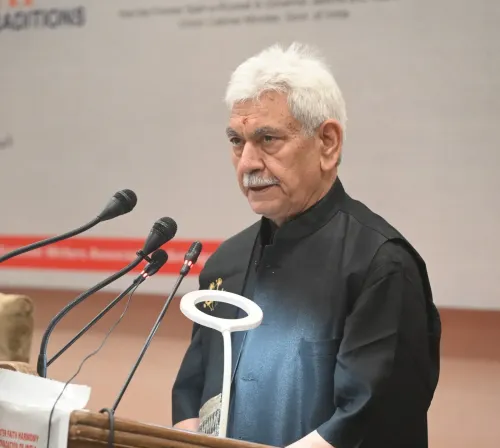
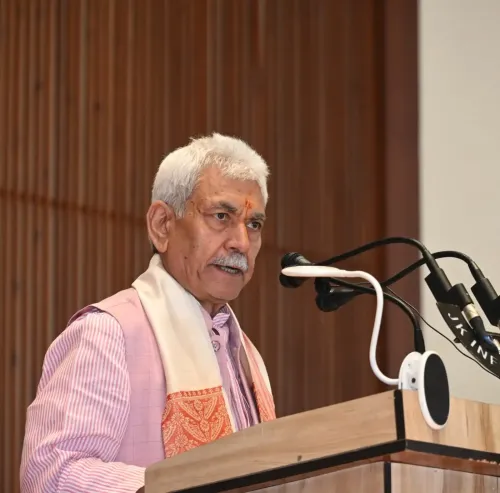
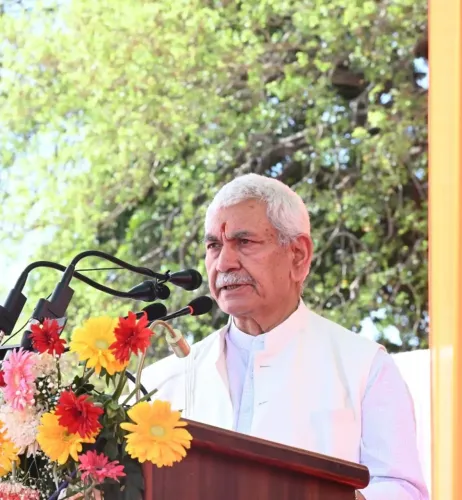
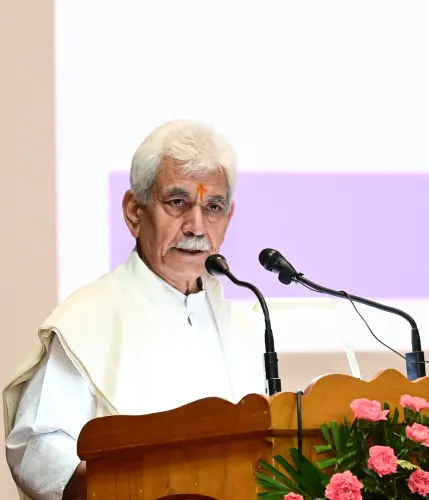
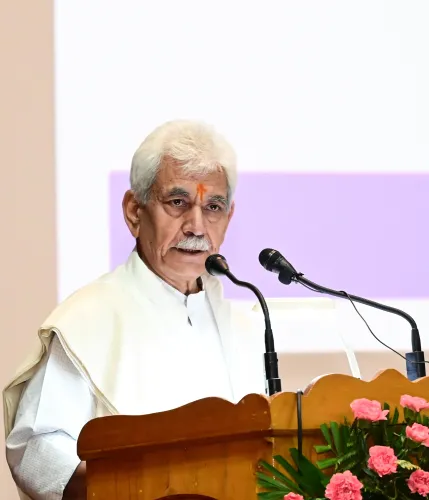
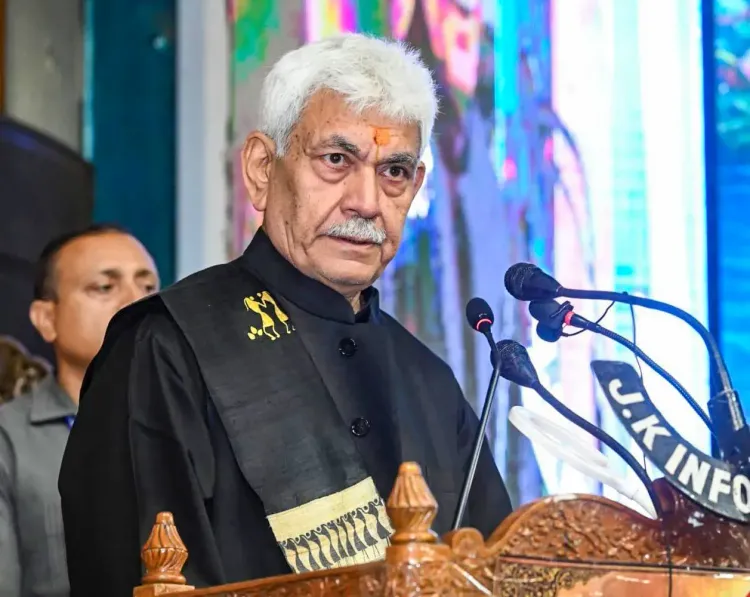
Jammu & Kashmir Lieutenant Governor Manoj Sinha on Sunday declared that religious harmony is the bedrock upon which a strong society, a resilient Jammu & Kashmir, and a developed India can be constructed. Sinha made the remarks while addressing the Interfaith Dialogue for Harmony in Baramulla, an event organised by the Save Youth Save Future Foundation.
Key Remarks at the Interfaith Dialogue
The L-G commended the Foundation for its active role in the drug-free Jammu Kashmir campaign, noting that young volunteers had worked selflessly to shoulder responsibility for the region's future. He said the campaign had strengthened trust within families and institutions while reinforcing youth confidence.
'Through this campaign we have strengthened trust within our families and institutions, reinforced youth's confidence in their future, and sent a message across the country that when a society rises on its own, it can overcome the biggest challenges,' Sinha said.
Legacy of Saints, Sufis and Rishis
Sinha invoked the enduring rishi-sufi tradition of Kashmir, citing the teachings of Lal Ded and Sheikh-ul-Alam as timeless examples of inter-faith compassion. He argued that their wisdom transcended religious boundaries and spoke directly to shared human values.
'Lal Ded's teachings didn't belong to one religion. Her Vakh spoke directly to the human heart. She never judged people by their faith. Similarly, Sheikh-ul-Alam showed us that true devotion isn't about conflict or division. It is found in compassion and in serving every single human being,' he said.
He further stated that the flourishing rishi-sufi tradition does not proclaim the superiority of any single faith, describing it instead as a shared heritage belonging to Hindus, Muslims, Sikhs, Buddhists, and Christians alike — 'the legacy of every citizen born on this sacred land.'
Harmony as a Driver of Development
Sinha drew a direct line between social cohesion and economic progress, describing harmony as both a moral necessity and the foundation of prosperity. He called on citizens to strengthen the spirit of equal respect for all religions so that every individual can progress with equal opportunity.
'When people move in peaceful coexistence, the energy of society becomes the greatest force for development. Harmony is both a moral necessity and the foundation of economic prosperity,' he said, adding that it also serves as a guarantee of a brighter future for coming generations.
Baramulla as a Symbol of Pluralism
The L-G concluded with a pointed message from Baramulla, asserting that India — and Jammu & Kashmir in particular — has the lived experience to demonstrate to the world that communities of different faiths can coexist in peace, joy, and trust. He called upon the youth to believe in themselves and take ownership of this legacy.
During the visit, Sinha also met various public delegations and assured them of appropriate action on the issues they raised. The Baramulla event underscores the administration's continued emphasis on community-led initiatives as a counterweight to radicalisation and drug abuse in the region.
Point of View
Making them ideal anchors for an inclusive identity project. The harder question is whether interfaith dialogue events translate into measurable outcomes on the ground — in drug rehabilitation, youth employment, or communal trust indices. Harmony as rhetoric is easy; harmony as governance metric is where the real test lies.
NationPress
18 Oct 2026
Frequently Asked Questions
What did J&K L-G Manoj Sinha say at the Baramulla interfaith event?
Sinha said religious harmony is the cornerstone of a strong society, a resilient Jammu & Kashmir, and a developed India. He invoked the teachings of Lal Ded and Sheikh-ul-Alam to argue that Kashmir's rishi-sufi tradition of compassion and unity belongs to all faiths equally.
What is the Save Youth Save Future Foundation?
The Save Youth Save Future Foundation is an organisation that has been actively involved in the drug-free Jammu Kashmir campaign. L-G Sinha commended it for mobilising young volunteers to work toward a better future for the region.
Why did Sinha reference Lal Ded and Sheikh-ul-Alam?
Sinha cited both figures as embodiments of Kashmir's inter-faith rishi-sufi tradition, arguing their teachings transcended religious identity. He used them to make the case that pluralism is not an imported value but a centuries-old heritage of the land.
How does Sinha connect religious harmony to economic development?
He argued that peaceful coexistence converts society's collective energy into a force for development, describing harmony as both a moral necessity and the foundation of economic prosperity. He also linked it to combating drug addiction and eliminating poverty.
Where was the interfaith dialogue held?
The Interfaith Dialogue for Harmony was held in Baramulla, Jammu & Kashmir, and was organised by the Save Youth Save Future Foundation. The L-G used the occasion to call on youth to protect the region's pluralist heritage.