J&K L-G Manoj Sinha dismisses PDD inspector over terror links
Synopsis
Jammu and Kashmir's L-G administration has now dismissed 91 government employees for alleged terror links since 2019 — and the pace is accelerating. The ninth such termination of 2026, a PDD inspector named in three FIRs, signals that no government department is off-limits in J&K's sweeping security-driven personnel purge.
Key Takeaways
Mohammad Shafi , a PDD inspector from Bijbehara , was dismissed by L-G Manoj Sinha on 18 June 2026 over alleged terror links.
Shafi, 51 , was named in three FIRs filed between 2017 and 2018 under the Ranbir Penal Code and the Arms Act.
He is the ninth government employee dismissed on such grounds in 2026 alone.
Total dismissals for alleged terror links in J&K since 2019 now stand at 91 .
Terminations are carried out under Article 311(2)(c) of the Constitution, bypassing formal departmental inquiries on national security grounds.
Earlier 2026 dismissals targeted staff allegedly linked to Lashkar-e-Taiba and Hizbul Mujahideen across health, education, and power departments.
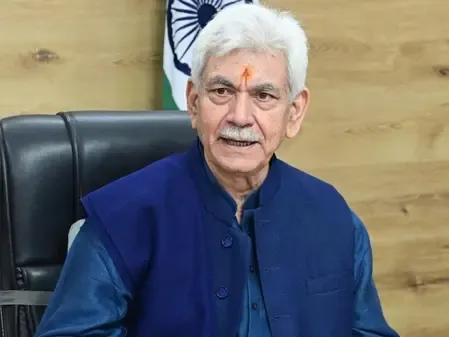
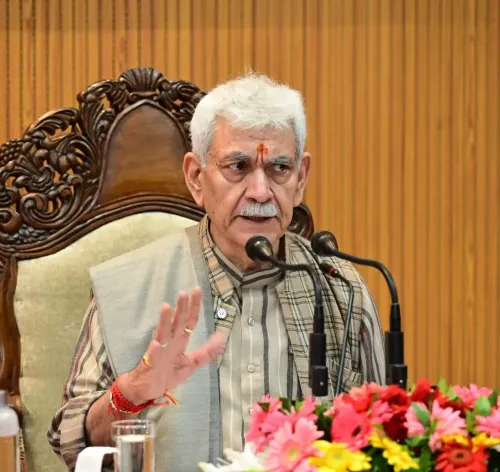
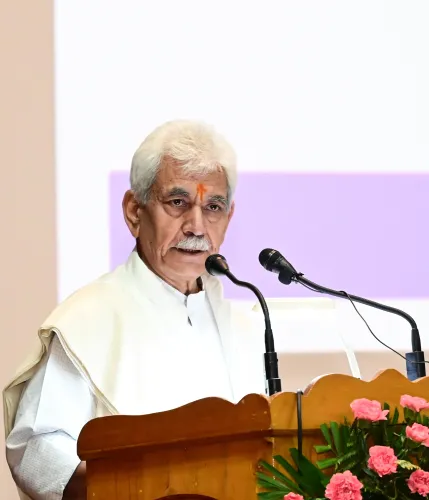
Jammu and Kashmir Lieutenant Governor Manoj Sinha on Thursday, 18 June ordered the dismissal of a government employee over alleged links with terrorist groups, officials confirmed. The sacked official, Mohammad Shafi, was serving as an inspector in the Jammu and Kashmir Power Development Department (PDD) and is the ninth government employee to be dismissed on such grounds in 2026.
Who Was Dismissed and Why
Mohammad Shafi, 51, a resident of Arwani village in Bijbehara, was named in three FIRs registered between 2017 and 2018 under various sections of the Ranbir Penal Code and the Arms Act at Bijbehara police station. Security and intelligence agencies had prepared dossiers detailing his alleged involvement, which reportedly ranged from providing logistical and financial support to insurgents.
'Lieutenant Governor Manoj Sinha ordered the dismissal of Mohammad Shafi, posted as an inspector in the Power Development Department, with immediate effect,' officials said.
The Legal Mechanism Behind the Terminations
The dismissal was carried out under Article 311(2)(c) of the Constitution, which permits the Lieutenant Governor's administration to bypass formal departmental inquiries on grounds of national security. This provision has been the cornerstone of the J&K administration's crackdown on employees with alleged militant ties since 2019.
Notably, the use of this article means the accused employee is not entitled to the usual show-cause process — a point that has drawn scrutiny from civil liberties observers, even as the administration argues that security imperatives leave no room for procedural delays.
Scale of the Crackdown Since 2019
Thursday's dismissal brings the total number of government employees terminated for alleged terror links and anti-national activities in Jammu and Kashmir to 91 since 2019. The pace has accelerated in 2026: five employees were dismissed in January, three more in March, and Shafi is now the ninth this year.
Earlier dismissals in January and April 2026 included a school teacher, a laboratory technician, and health department staff, all allegedly maintaining contact with banned outfits including Lashkar-e-Taiba (LeT) and Hizbul Mujahideen (HM). The breadth of departments affected — health, education, power — underscores that the administration's scrutiny extends well beyond security-adjacent roles.
How the Process Works
Intelligence and security agencies compile detailed dossiers on employees before a dismissal order is issued. These dossiers document alleged links — financial, logistical, or operational — with proscribed organisations. Once the L-G approves, the termination takes effect immediately, with no requirement for a departmental hearing under the Article 311(2)(c) framework.
Officials have stated that the policy, adopted since 2019, is aimed at systematically identifying and removing individuals from public service whose activities are considered detrimental to national security.
What Comes Next
With 91 dismissals logged and the pace of action showing no signs of slowing, the J&K administration appears committed to expanding its security-driven personnel review. The pattern suggests further terminations are likely as intelligence dossiers on additional employees continue to be processed.
Point of View
And one that is gathering speed. The use of Article 311(2)(c) to bypass departmental hearings is legally sound but procedurally blunt: it trades due process for operational speed, and the administration has made clear it considers that an acceptable trade-off in a security theatre. What mainstream coverage underplays is the breadth of departments involved — teachers, lab technicians, health workers, power engineers — which suggests intelligence agencies believe the penetration of militant networks into the civil service goes well beyond obvious pressure points. The accountability question that remains unanswered is whether any dismissed employee has successfully challenged the dossier evidence in court, and what that record reveals about the quality of the intelligence underpinning these orders.
NationPress
23 Sept 2026
Frequently Asked Questions
Why was Mohammad Shafi dismissed from J&K government service?
Mohammad Shafi, a Power Development Department inspector, was dismissed on 18 June 2026 by J&K L-G Manoj Sinha over alleged links with terrorist groups. He was named in three FIRs registered between 2017 and 2018 at Bijbehara police station under the Ranbir Penal Code and the Arms Act.
How many J&K government employees have been dismissed for terror links since 2019?
A total of 91 government employees have been dismissed in Jammu and Kashmir for alleged terror links and anti-national activities since 2019. Mohammad Shafi is the ninth to be dismissed in 2026 alone.
What is Article 311(2)(c) and how is it used in these dismissals?
Article 311(2)(c) of the Constitution allows the J&K L-G administration to dismiss government employees without conducting a formal departmental inquiry when national security is cited as the reason. It has been the primary legal instrument used in all 91 dismissals since 2019.
Which militant organisations have dismissed employees allegedly been linked to?
Employees dismissed in earlier rounds of 2026 were allegedly linked to banned outfits including Lashkar-e-Taiba (LeT) and Hizbul Mujahideen (HM), according to officials. Intelligence dossiers detail alleged logistical and financial support provided to these groups.
Which government departments have been affected by these dismissals?
The dismissals span multiple departments including the Power Development Department, health services, education (school teachers), and laboratory services. The spread indicates that the administration's security review covers the entire civil service, not just security-adjacent roles.