Jharkhand Assembly opposes SIR, seeks CEC Gyanesh Kumar ouster
Synopsis
Jharkhand's Assembly has not only opposed the Special Intensive Revision of electoral rolls but demanded the ouster of CEC Gyanesh Kumar — a rare state-versus-Commission clash. The government cites unverified gaps of 43 lakh voters and hardship in tribal areas; the BJP calls it a political replay of the Congress's Delhi campaign.
Key Takeaways
The Jharkhand Assembly on 25 November passed a resolution opposing the Special Intensive Revision (SIR) of electoral rolls.
The House also sought the immediate removal of Chief Election Commissioner Gyanesh Kumar .
Parliamentary Affairs Minister Radha Krishna Kishore said the government is not against revision in principle but called the current process complicated.
Kishore claimed about 43 lakh of 2.64 crore voters were left out and 14.5 lakh tribal and backward voters were removed; the figures could not be independently verified.
BJP MLA Navin Jaiswal said SIR is being run by state officials, not the CEC, and alleged a political replay of the Congress's Ramlila Maidan campaign.
The House was adjourned until 11 a.m. on Thursday after the resolution was passed.
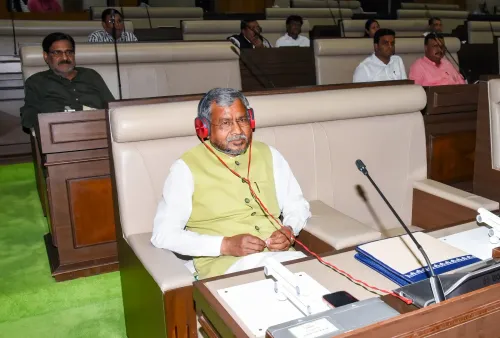
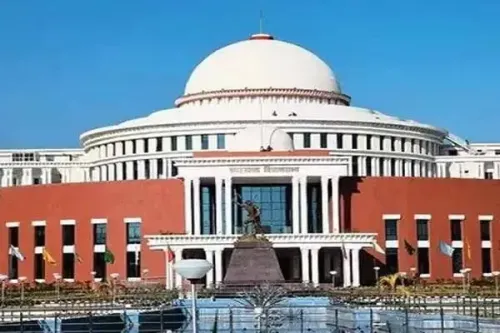
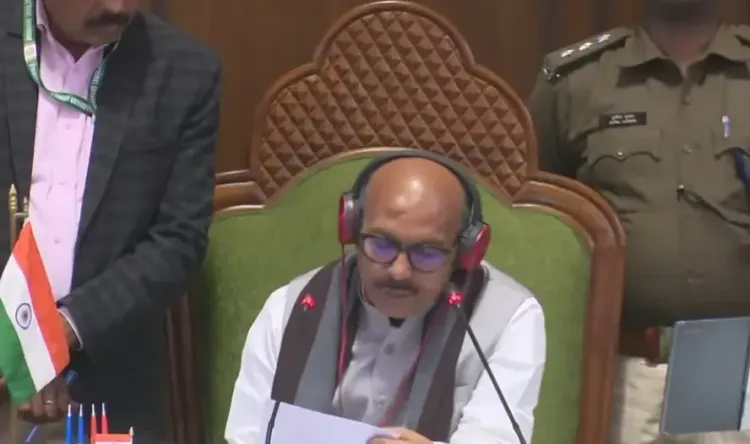
The Jharkhand Assembly on Wednesday passed a resolution opposing the Special Intensive Revision (SIR) of electoral rolls and sought the immediate removal of Chief Election Commissioner Gyanesh Kumar. Adopted on the first day of a special session in Ranchi on 25 November, the resolution also called for simplifying the revision process, extending its timeline, and ensuring that no eligible voter is left off the electoral list.
What the Assembly demanded
The House asked that the SIR exercise be simplified and that more time be given so eligible citizens are not excluded from the rolls. The resolution will be forwarded to the Election Commission of India and other competent authorities. A separate proposal demanding the immediate removal of CEC Gyanesh Kumar from office was also passed.
The twin move — challenging the methodology of a nationwide revision and targeting the Commission's head — puts a state legislature in direct confrontation with a constitutional body that is not answerable to any Assembly. This comes amid a wider political fight over electoral rolls, with the ruling alliance arguing that documentation rules risk disenfranchising tribal and rural voters, and the opposition accusing the government of importing a national campaign into the state House.
Government's case on ground realities
Presenting the resolution on behalf of the government, Parliamentary Affairs Minister Radha Krishna Kishore said the state government was not opposed to the concept of electoral roll revision in principle. He said, however, that the current process was very complicated and full of shortcomings. Jharkhand's social, economic and geographical realities, he argued, are vastly different from those of major metropolitan regions.
Kishore said residents of many tribal and remote hilly areas often lack even basic documentation, making demands for documents such as birth certificates impractical. He contended that the process failed to account for ground realities and posed significant challenges for large sections of the state's population. The minister challenged CEC Gyanesh Kumar to visit remote villages across Jharkhand and witness local conditions first-hand, arguing that expecting villagers in such areas to readily produce birth certificates was unrealistic and reflected a disconnect from residents' lives.
Voter numbers cited in the House
Citing electoral data, Kishore claimed that of about 2.64 crore voters in Jharkhand, only 2.21 crore names had been included in the rolls, leaving around 43 lakh voters out. He further alleged that nearly 40 lakh young voters had not been added between 2004 and 2026, and that about 14.5 lakh voters belonging to tribal communities, particularly vulnerable tribal groups, and backward communities had been removed. These figures and allegations could not be independently verified.
Notably, if the minister's numbers were accurate, they would point to a large gap between eligible adults and those actually on the rolls in a state where tribal communities form a substantial share of the population. The absence of independent verification leaves the scale of alleged exclusion as a political claim rather than an established finding.
Opposition response and heated exchanges
Responding to the government's resolution, Bharatiya Janata Party (BJP) MLA Navin Jaiswal accused the ruling coalition of turning the special Assembly session into a political extension of the Indian National Congress campaign recently conducted in Delhi's Ramlila Maidan. He asserted that the SIR exercise in Jharkhand was being carried out not by the Chief Election Commissioner directly, but by state election officials and local authorities.
Dismissing the Congress party's allegations of ‘vote theft', Jaiswal described them as an expression of frustration over electoral defeats. He also alleged that efforts were made to include the names of Bangladeshi infiltrators in voter lists, citing concerns over voter numbers in the Santhal Pargana region.
Congress MLA Rajesh Kachhap described the SIR exercise as a constitutional process but alleged that the BJP was attempting to exploit it politically while causing hardship for poor voters. He urged the Election Commission to ensure that no eligible voter was removed from the rolls during the revision exercise.
The debate also saw a heated confrontation between Congress Legislature Party leader Pradeep Yadav and Leader of the Opposition Babulal Marandi. Yadav alleged that the SIR exercise was part of a broader political strategy of the BJP and accused the opposition of defending the Election Commission rather than representing public concerns. He said inconveniencing millions of voters in the search for a small number of incorrect entries was unjustified and could undermine voting rights.
Tensions escalated further when Yadav mistakenly referred to Marandi's name instead of the Chief Minister while speaking, prompting strong objections from the Leader of the Opposition and leading to a heated exchange between the two sides. After passing the government resolution, the House was adjourned until 11 a.m. on Thursday. How the Election Commission responds — and whether it treats the demand for the CEC's removal as a political statement rather than a process issue — will shape the next round of this dispute.
Point of View
And the ruling side knows it. The resolution is less a legal instrument than a political signal that SIR has become the new battleground over who belongs on India's voter lists. The contradiction is stark: the government says it is not against revision in principle, yet it wants the CEC ousted and cites unverified crore-scale exclusion figures. The BJP's counter — that SIR is executed by state officials, not the CEC, and that the session merely echoes a Delhi campaign — is equally partisan. What both sides have not produced is an independently audited account of who is actually dropping off Jharkhand's rolls. Without that, tribal voters become a talking point rather than a verified constituency of harm.
NationPress
25 Nov 2026
Frequently Asked Questions
What did the Jharkhand Assembly pass on SIR?
The Jharkhand Assembly on Wednesday passed a resolution opposing the Special Intensive Revision of electoral rolls and seeking a simpler process, a longer timeline, and a guarantee that no eligible voter is left out. It also passed a proposal demanding the immediate removal of Chief Election Commissioner Gyanesh Kumar.
Why does Jharkhand want CEC Gyanesh Kumar removed?
The ruling side argued that the SIR process is complicated, ignores Jharkhand's tribal and remote conditions, and risks excluding eligible voters who lack documents such as birth certificates. Parliamentary Affairs Minister Radha Krishna Kishore challenged the CEC to visit remote villages, and the House forwarded its demand to the Election Commission of India.
What voter figures did the Jharkhand government cite?
Minister Radha Krishna Kishore claimed that of about 2.64 crore voters, only 2.21 crore names were on the rolls, leaving around 43 lakh out, and alleged that nearly 40 lakh young voters were not added between 2004 and 2026 and about 14.5 lakh tribal and backward voters were removed. These figures and allegations could not be independently verified.
How did the BJP respond to the SIR resolution?
BJP MLA Navin Jaiswal accused the ruling coalition of turning the special session into a political extension of the Congress campaign at Delhi's Ramlila Maidan. He said SIR in Jharkhand is being carried out by state election officials, not the CEC, dismissed ‘vote theft' charges as frustration over defeats, and alleged attempts to include Bangladeshi infiltrators in lists in Santhal Pargana.
What happens after the Jharkhand Assembly resolution?
The resolution will be forwarded to the Election Commission of India and other competent authorities, and the House was adjourned until 11 a.m. on Thursday. The Commission is under no statutory obligation to remove the CEC on a state Assembly's demand, so the next move rests with the poll body.