Jharkhand CM Hemant Soren pitches 'mines to minds' shift at New Delhi investment meet
Synopsis
Jharkhand CM Hemant Soren used a New Delhi investment meet to reframe his mineral-rich state's identity — from 'mines' to 'minds'. With uranium reserves, 14 active mining districts, and a new push into IT and AI, the state is attempting a dual pivot: sustaining its resource base while building a knowledge economy. Whether the infrastructure and policy commitments can deliver is the real question.
Key Takeaways
CM Hemant Soren inaugurated a two-day National Stakeholders Consultation in New Delhi on 8 July to attract investment into Jharkhand.
Soren declared Jharkhand's future identity would be shaped by 'minds' and research , not just mineral wealth.
The state holds significant uranium and mica reserves; large-scale mining is active across 14 districts .
Focus sectors include information technology (IT) and artificial intelligence (AI) , with policy and institutional alignment underway.
Government is investing in power supply , infrastructure , transport connectivity , and skilled human resources to support the vision.
Ministers Sudivya Kumar , Deepika Pandey Singh , Sanjay Yadav , and Irfan Ansari attended alongside multinational company representatives.
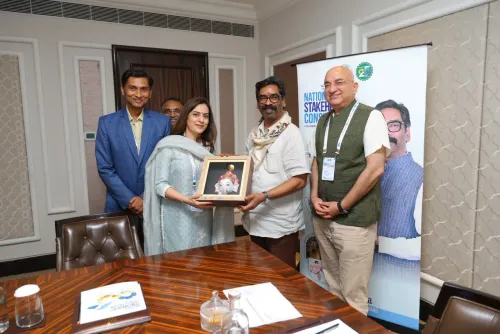
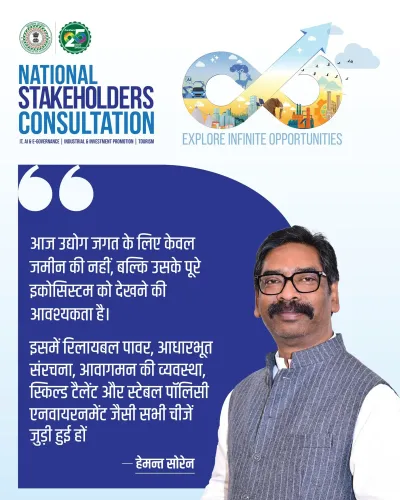
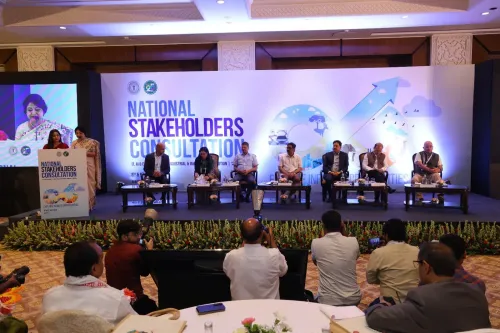
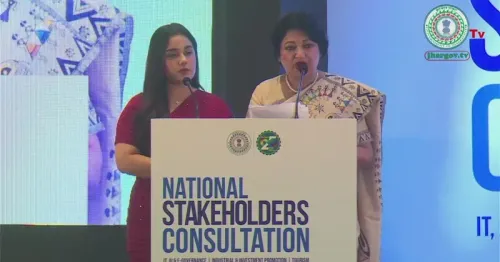
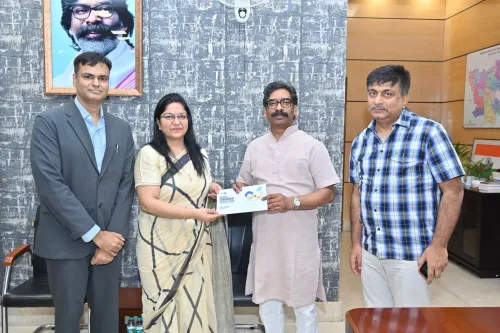
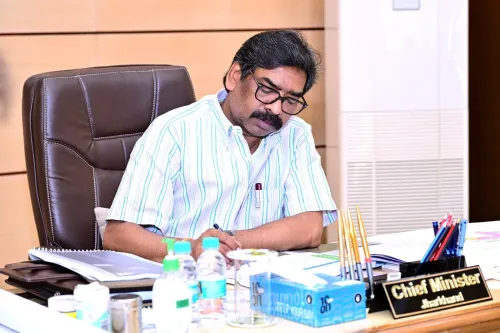
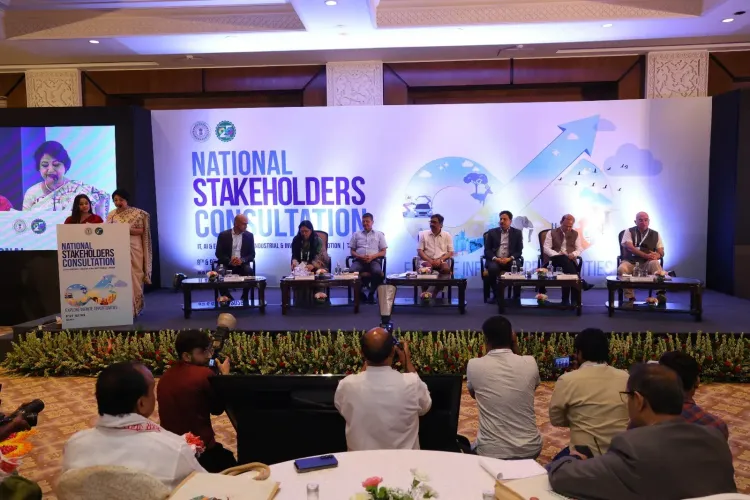
Chief Minister Hemant Soren on Wednesday, 8 July declared that Jharkhand is pivoting from a mineral-extraction economy to a knowledge-driven growth model anchored in technology, research, and inclusive development — a vision he articulated while inaugurating a two-day National Stakeholders Consultation in New Delhi. The event is designed to draw global and domestic investment into the state, with a particular focus on information technology (IT), artificial intelligence (AI), and other emerging sectors.
The 'Mines to Minds' Vision
Addressing the inaugural session as Chief Guest, Soren framed the shift in pointed terms: 'Jharkhand's identity will now be shaped not only by 'mines' but by 'minds', not just by resources but by research, and not merely by growth but by inclusive growth.' He said the state's future would be defined by its intellectual capital and innovation ecosystem — not its mineral reserves alone.
Soren described Jharkhand as a young state that has carved out a distinct identity in a relatively short span and is now positioned to emerge as a hub for innovation-led growth. He stressed that development policies would be grounded in the state's own socio-economic realities rather than borrowed from models designed elsewhere.
Strategic Minerals and Sustainable Mining
Even as Soren articulated the knowledge economy pivot, he acknowledged Jharkhand's continued mineral significance. The state holds substantial uranium and mica reserves, with uranium deposits reportedly capable of meeting the country's long-term energy needs. He called for the adoption of modern technologies and scientific methods to ensure their efficient and safe utilisation.
Large-scale mining is currently active across 14 districts. Soren said future operations would be governed by scientific practices and sustainability principles, and that the government remained committed to balancing industrial development with the protection of 'jal, jangal aur zameen' — water, forests, and land.
Global Ambitions and Infrastructure Push
Referring to Jharkhand's participation in the World Economic Forum (WEF), Soren said the state had successfully showcased its strengths on a global platform and intended to deepen its presence in international forums going forward. He distinguished the government's investment approach from routine MoU signings, emphasising long-term partnerships that deliver sustainable returns for both industry and the state.
To support this ambition, the government is strengthening power supply, transport connectivity, infrastructure, and skilled human resources, alongside an industry-friendly policy framework. Soren also highlighted the state's contribution to India's intellectual and human resource pool — pointing out that Jharkhand has produced scientists, technologists, and administrators serving in key roles across the country and abroad.
Who Attended
The inaugural session was attended by state ministers Sudivya Kumar, Deepika Pandey Singh, Sanjay Yadav, and Irfan Ansari, along with representatives from several multinational companies. The consultation runs over two days and is expected to generate actionable investment proposals for the state.
With IT and AI identified as defining sectors for Jharkhand's future economy, the government is now aligning its institutions and policy architecture accordingly — a test of whether the 'minds over mines' framing translates into measurable economic diversification.
Point of View
But the structural challenge is formidable — Jharkhand's economy remains deeply dependent on mineral extraction, and IT and AI ecosystems do not emerge from policy declarations alone. The state's WEF appearances and MoU tallies have historically not translated into proportionate on-ground investment. The more consequential signal here is the acknowledgement of uranium reserves and the sustainability framing around the 14 active mining districts — that tension between resource extraction and ecological protection is where Jharkhand's development story will actually be written, not in a New Delhi consultation hall.
NationPress
8 Jul 2026
Frequently Asked Questions
What is the National Stakeholders Consultation that Jharkhand held in New Delhi?
It is a two-day event inaugurated by Chief Minister Hemant Soren on 8 July in New Delhi, aimed at attracting global and domestic investment into Jharkhand, with a focus on IT, AI, and other emerging sectors. State ministers and representatives from multinational companies attended the inaugural session.
What does Hemant Soren mean by 'mines to minds' for Jharkhand?
Soren used the phrase to signal a strategic shift from Jharkhand's traditional mineral-extraction identity toward a knowledge-based economy powered by technology, research, and innovation. He said the state's future would be defined by intellectual capital, not mineral wealth alone.
What minerals does Jharkhand hold, and how does the government plan to manage them?
Jharkhand holds substantial uranium and mica reserves, with uranium deposits reportedly sufficient to meet India's long-term energy needs. Large-scale mining is active across 14 districts, and Soren said future operations would be guided by scientific practices and sustainability principles.
Which sectors is Jharkhand targeting for investment under this new vision?
The state is prioritising information technology (IT) and artificial intelligence (AI) as defining sectors, alongside other emerging industries. The government is aligning policies, institutions, infrastructure, and skilled human resources to support this push.
How is Jharkhand positioning itself on the global investment stage?
Jharkhand has participated in the World Economic Forum (WEF) to showcase its strengths and priorities. Soren said the state intends to deepen its presence in international forums and is focused on building long-term industry partnerships rather than signing one-off MoUs.