Pralhad Joshi Marks 12 Years of National Security Gains Under Modi
Synopsis
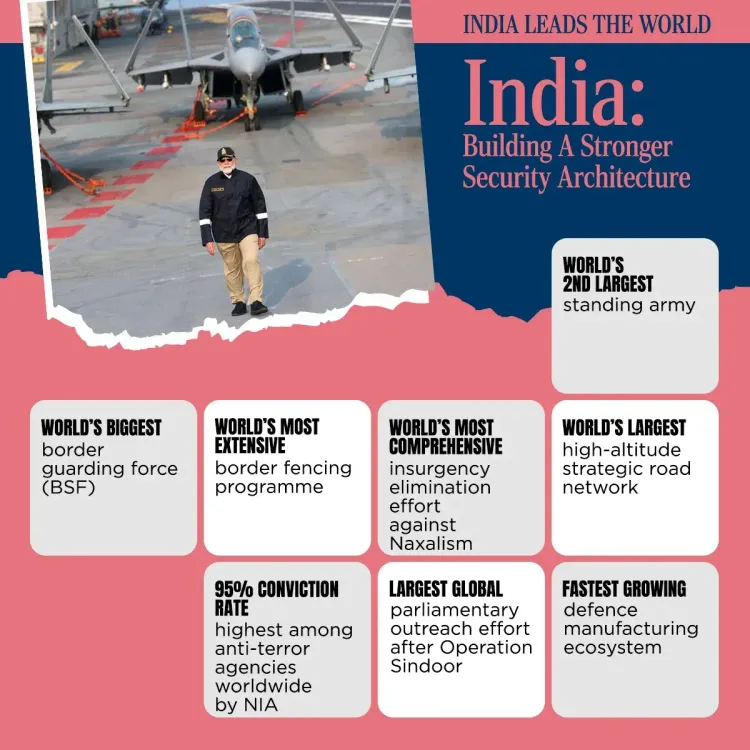
Union Minister Pralhad Joshi marked 12 years of the Modi government on 17 June 2026, highlighting India's standing army size, border security strength, NIA conviction rates, and indigenous defence manufacturing growth under the #12YearsOfSurakshitBharat campaign.
Key Takeaways
Union Minister Pralhad Joshi posted on 17 June 2026 marking 12 years of the Modi government's national security record.
India is cited as home to the world's second-largest standing army and the largest border guarding force .
The NIA is credited with a 95% conviction rate in counter-terrorism cases, though this figure requires verification against latest official data.
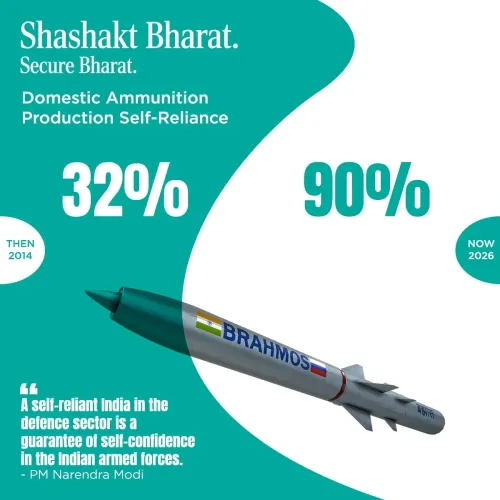
Defence indigenisation has been driven by Make in India (2014), Atmanirbhar Bharat (2020), and the Defence Production and Export Promotion Policy 2020 .
The post is part of the BJP's coordinated #12YearsOfSurakshitBharat communication campaign.
Parliamentary debate on the next Union Defence Budget will be the next key policy milestone to watch.
Union Consumer Affairs Minister Pralhad Joshi on Wednesday, 17 June 2026, highlighted India's national security achievements under Prime Minister Narendra Modi, citing milestones in defence manufacturing, border security, and counter-terrorism prosecution as part of the ruling party's #12YearsOfSurakshitBharat campaign.
Context
Joshi's post marks 12 years of the BJP-led government at the Centre, framing the period as one of transformative national security reform. He pointed to India's status as home to the world's second-largest standing army and the largest border guarding force, alongside a claimed 95% conviction rate by the National Investigation Agency (NIA) and a rapidly expanding domestic defence manufacturing base. The post is part of coordinated messaging across the party and government marking the administration's anniversary.
The hashtag #12YearsOfSurakshitBharat (roughly, '12 Years of a Secure India') signals a broader BJP communication push to consolidate the government's security narrative ahead of future electoral cycles.
Policy Backdrop
The national security gains Joshi references are rooted in a series of structural policy shifts since 2014. The Make in India initiative, launched in September 2014, placed defence indigenisation at its core, aiming to reduce India's historically high dependence on imported military hardware. This was deepened by the Atmanirbhar Bharat package announced in May 2020, which set ambitious indigenous procurement targets and introduced successive negative import lists barring the purchase of specified weapons and platforms from abroad.
The Defence Production and Export Promotion Policy 2020 further institutionalised these goals, setting targets for domestic defence turnover and export growth. India's defence exports have grown significantly over the past decade, with the government positioning the country as an emerging supplier to friendly nations.
On the internal security front, the NIA — established in 2009 as India's central counter-terrorism agency — has reported conviction rates consistently above 90% across several annual periods, a figure the government regularly cites as evidence of a more robust prosecution framework. Note: The specific 95% figure cited in the post should be verified against the latest official NIA and Ministry of Defence releases.
Stakeholders and Impact
The constituencies most directly affected by these policies include domestic defence manufacturers — both public-sector undertakings such as Hindustan Aeronautics Limited and a growing private-sector base — as well as the Indian Armed Forces undergoing simultaneous modernisation and ongoing theatreisation reforms. Border communities and internal security agencies are also stakeholders in the outcomes Joshi references.
The Border Security Force (BSF), India's primary border guarding force deployed along the frontiers with Pakistan and Bangladesh, is central to the 'largest border guarding force' claim. Expansion and technological upgradation of border infrastructure has been a consistent budget priority over the past decade.
What's Next
Parliamentary discussion of the next Union Defence Budget will be a key moment to assess whether the government deepens indigenisation targets or expands the negative import list further. Any revisions to NIA's mandate or updates to prosecution frameworks will also be closely watched by security analysts. As the #12YearsOfSurakshitBharat campaign unfolds, similar messaging from other Union Ministers is expected, building the BJP's security-governance record as a central electoral theme.
Point of View
Electorally potent 'Surakshit Bharat' narrative ahead of future polls. By anchoring the message to verifiable institutional metrics — army size, border force scale, NIA conviction rates — the government attempts to shift the security debate from episodic crises to structural, decade-long progress. The simultaneous invocation of Atmanirbhar Bharat links the national security frame to the economic self-reliance agenda, broadening the coalition of voters the message is designed to reach. Whether opposition parties can mount a credible counter-narrative on security governance will be a defining contest in the months ahead.
NationPress
15 Sept 2026
Frequently Asked Questions
What is #12YearsOfSurakshitBharat?
#12YearsOfSurakshitBharat is a BJP government campaign launched in June 2026 to mark 12 years of the Modi administration, highlighting achievements in national security, defence manufacturing, and counter-terrorism.
What is India's NIA conviction rate?
The government has cited a 95% conviction rate for the National Investigation Agency in counter-terrorism cases, though this figure should be verified against the latest official NIA annual reports.
Is India's army the largest in the world?
India maintains one of the world's largest standing armies; the post states it is the second-largest, consistent with widely cited defence rankings, though exact figures vary by source and year.
What is Atmanirbhar Bharat in defence?
Atmanirbhar Bharat, announced in May 2020, includes a defence component that set indigenous procurement targets and introduced negative import lists to reduce dependence on foreign military hardware.
What is India's border guarding force?
India's primary border guarding force is the Border Security Force (BSF), deployed along the frontiers with Pakistan and Bangladesh. The government claims it is the world's largest such force.