Joshi: PM Surya Ghar nears 50 lakh homes, adds 1 lakh every 6 days
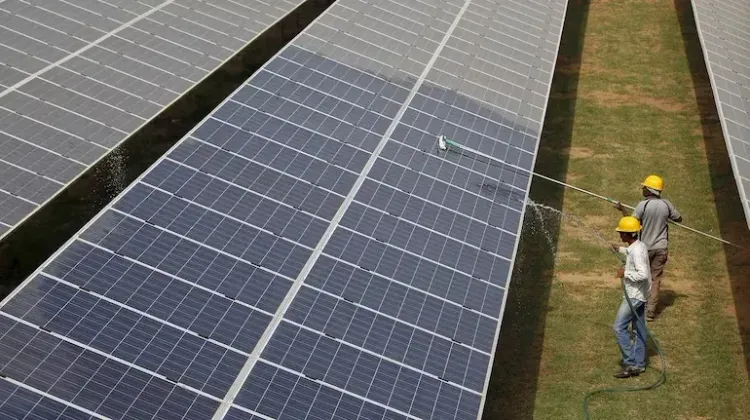
Synopsis
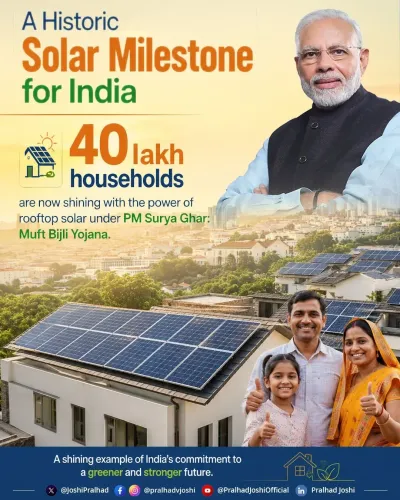
Union Minister Pralhad Joshi announced on 1 August 2026 that PM Surya Ghar Muft Bijli Yojana is adding 1 lakh households every six days, with nearly 50 lakh beneficiaries and over 40 lakh installations generating 14,533.79 MW of rooftop solar capacity across India.
Key Takeaways
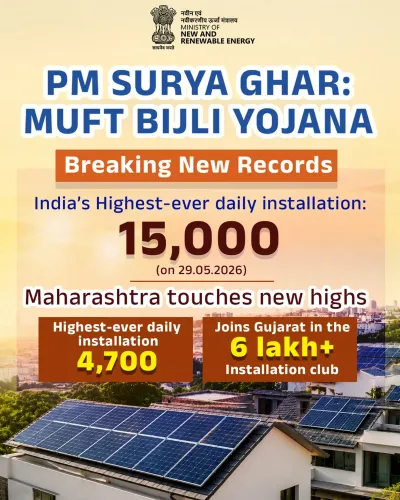
PM Surya Ghar Muft Bijli Yojana is onboarding 1 lakh new households every six days as of August 2026.
Total beneficiary families are approaching 50 lakh , against a one-crore household target.
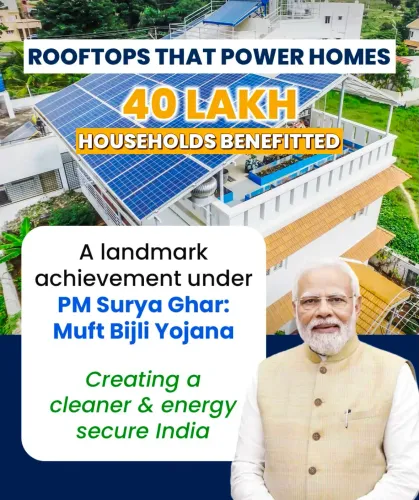
More than 40 lakh rooftop solar installations are operational, with a combined capacity of 14,533.79 MW .
The scheme was approved in February 2024 with a budget outlay of Rs 75,021 crore .
Enrolled households receive up to 300 units of free electricity per month through subsidised rooftop panels.
The programme supports India's broader goal of 500 GW non-fossil fuel capacity by 2030 under its updated NDCs.
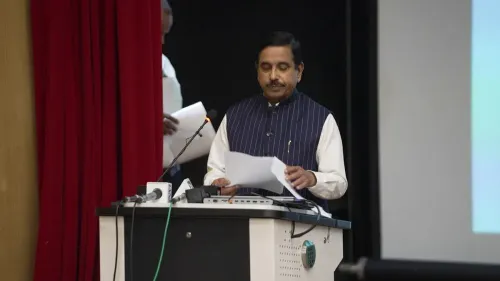
India's rooftop solar revolution is moving at a pace that would have seemed implausible just two years ago. On Saturday, 1 August 2026, Union Minister Pralhad Joshi — holding charge of both New and Renewable Energy and Consumer Affairs — announced that the PM Surya Ghar Muft Bijli Yojana is now enrolling 1 lakh households every six days, with total beneficiaries approaching the 50-lakh mark.
From cabinet approval to 14,533 MW in under three years
The scheme was cleared by the Union Cabinet in February 2024 with an outlay of Rs 75,021 crore, targeting one crore households nationwide. The ambition was enormous; the execution, according to Joshi, has matched it. More than 40 lakh rooftop solar installations are already operational, collectively generating 14,533.79 MW of clean energy capacity — a number that makes India's distributed solar push one of the fastest-moving residential programmes anywhere in the world. Joshi credited a 'robust nationwide digital ecosystem' for the velocity, pointing to streamlined online registration, subsidy disbursement, and net-metering integration as the levers that turned a government scheme into a self-reinforcing engine of adoption.What free electricity actually means at the household level
The scheme's core promise is up to 300 units of free electricity per month for enrolled families, delivered through subsidised rooftop panels whose surplus generation feeds back into the grid. For the average Indian household spending a significant share of income on power bills, that translates into real, recurring savings — not a one-time benefit. Distribution companies, long burdened by subsidised supply and aggregate technical losses, also stand to gain as more households shift to self-generation and reduce peak-load pressure on the grid.The 500 GW target and where rooftop fits in
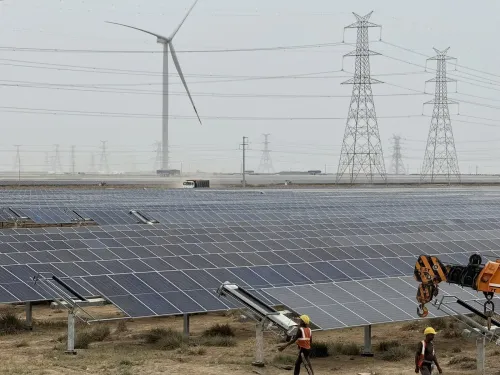
India has committed under its updated Nationally Determined Contributions to reach 500 GW of non-fossil fuel capacity by 2030. Utility-scale solar parks in Rajasthan and Gujarat carry much of that load, but distributed rooftop generation — precisely what PM Surya Ghar is building — is the component that embeds clean energy directly into the consumption layer. Every panel on a household roof is a unit of generation that requires no new transmission corridor and no land acquisition fight. With 50 lakh families nearly onboarded and the one-crore target still ahead, the next inflection point will be whether the current six-day cadence holds as the programme moves deeper into rural and semi-urban India, where grid integration and installer availability are the harder problems to solve. If the pace holds, India's most ambitious residential energy programme will hit its one-crore household milestone well before the decade ends — and the arithmetic of India's clean-energy story will look very different as a result.Point of View
Not just a headline target. The scheme's design is shrewd: it ties fiscal subsidy to a visible, recurring benefit (lower power bills) that households feel every month, making it stickier than one-time transfers. The 14,533 MW of rooftop capacity also quietly advances India's 500 GW non-fossil target through the demand side, reducing pressure on land-intensive utility-scale projects. The real test arrives as penetration moves into rural and semi-urban belts where installer networks, grid integration, and awareness are thinner — that is where the six-day cadence will either hold or reveal the programme's structural limits.
NationPress
1 Aug 2026
Frequently Asked Questions
What is PM Surya Ghar Muft Bijli Yojana?
PM Surya Ghar Muft Bijli Yojana is a central government scheme approved in February 2024 that subsidises rooftop solar panel installation for households, providing up to 300 units of free electricity per month to enrolled families.
How many households have benefited from PM Surya Ghar so far?
As of August 2026, nearly 50 lakh households have enrolled in the scheme, with over 40 lakh rooftop solar installations already operational across India.
How fast is PM Surya Ghar adding new beneficiaries?
The scheme is currently adding 1 lakh new households every six days, according to Union Minister Pralhad Joshi's announcement on 1 August 2026.
What is the total solar capacity installed under PM Surya Ghar?
More than 40 lakh rooftop installations under the scheme have created a combined clean energy capacity of 14,533.79 MW.
What is the budget and target of PM Surya Ghar Muft Bijli Yojana?
The Union Cabinet approved the scheme in February 2024 with an outlay of Rs 75,021 crore, targeting one crore households across India.