Joshi Reviews Indigenous Pinakin Hydrogen Fuel Cell System
Synopsis
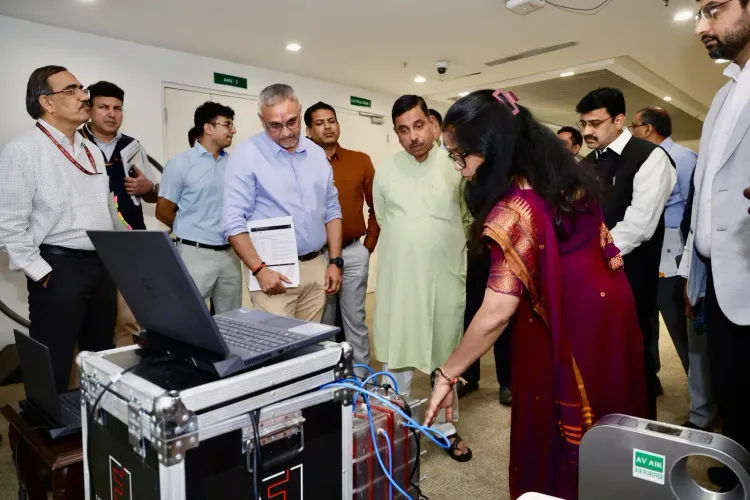
Union Minister Pralhad Joshi witnessed a live demonstration of the indigenous Pinakin Hydrogen Producing Fuel Cell system on 22 June 2026 and directed MNRE officials to evaluate its performance, scalability and commercial viability for potential wider deployment under India's clean energy and green hydrogen programmes.
Key Takeaways
Pralhad Joshi witnessed a live demonstration of the Pinakin Hydrogen Producing Fuel Cell (HPFC) system on 22 June 2026 .
The minister directed MNRE officials to evaluate the technology's performance, scalability and commercial viability.
The Pinakin HPFC is described as an indigenous innovation aligned with the Make in India initiative.
India's National Green Hydrogen Mission carries an outlay of Rs 19,744 crore and targets a global green hydrogen hub.
India has committed to 500 GW of non-fossil fuel electricity capacity by 2030 and net-zero emissions by 2070 .
A positive MNRE review could open doors for the technology's inclusion in green hydrogen pilot projects or PLI-linked manufacturing schemes.
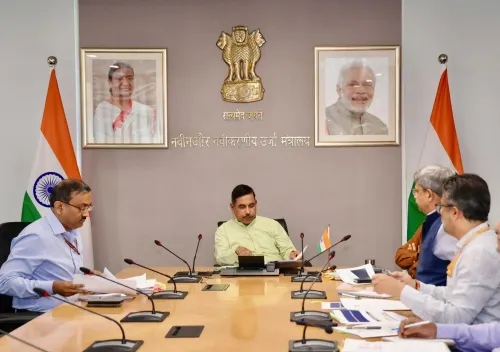
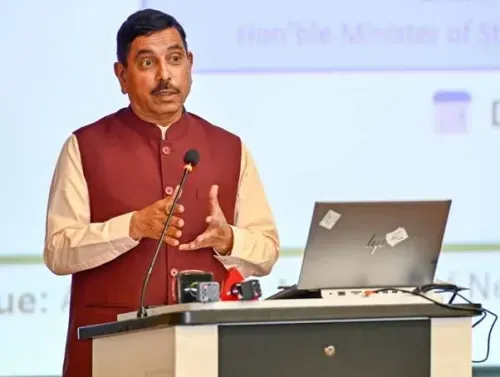
Union Consumer Affairs and New and Renewable Energy Minister Pralhad Joshi on Monday, 22 June 2026, witnessed a live demonstration of the indigenously developed Pinakin Hydrogen Producing Fuel Cell (HPFC) system, calling it a promising innovation that could advance India's energy self-reliance. The minister has directed officials at the Ministry of New and Renewable Energy (MNRE) to conduct a thorough technical and commercial evaluation of the technology.
Context
Posting on X, Joshi described the Pinakin HPFC system as a reflection of the strength of the Make in India initiative and said it holds 'the potential to further India's energy aatma nirbharta.' He added that innovations of this kind 'will strengthen our clean energy ecosystem, promote domestic manufacturing, and accelerate India's journey towards an Aatmanirbhar and sustainable energy future.'
The minister specifically asked MNRE officials to 'thoroughly examine the technology, evaluate its performance, scalability and commercial viability, and assess its potential for wider deployment' — signalling that the demonstration has moved beyond a ceremonial viewing to an active policy consideration.
Policy Backdrop
The demonstration comes against the backdrop of the National Green Hydrogen Mission, approved in 2023 with an outlay of Rs 19,744 crore, which aims to develop India into a global hub for the production, use and export of green hydrogen. Fuel cell systems that can produce hydrogen indigenously are a critical link in that supply chain, and domestic manufacturing of such equipment directly addresses India's current dependence on imported electrolyser and fuel-cell technology.
Make in India 2.0, launched in 2020, identified renewable energy equipment as one of 27 priority sectors for domestic production. India's broader climate commitments — including a 500 GW non-fossil fuel electricity capacity target by 2030 and a net-zero goal by 2070 announced at COP26 — have made indigenous clean-energy hardware development a strategic imperative across successive policy cycles.
Stakeholders and Impact
Domestic renewable energy innovators and hydrogen equipment manufacturers stand to benefit most directly if the Pinakin HPFC system clears MNRE's evaluation. A positive assessment could open pathways for the technology to be included in National Green Hydrogen Mission pilot projects or attract support under production-linked incentive schemes tied to clean energy manufacturing.
For the broader clean energy ecosystem, a proven indigenous hydrogen fuel cell system would reduce import dependency, lower costs over time, and create a template for further domestic R&D investment. India's push for Aatmanirbhar Bharat (self-reliant India) in the energy sector has consistently prioritised such technology indigenisation as both an economic and a strategic objective.
What's Next
The immediate next step is MNRE's technical review, which will assess the Pinakin HPFC system's performance metrics, scalability potential and commercial viability. The outcome of that evaluation will determine whether the technology advances to pilot deployment or receives integration into existing mission frameworks.
If the review is favourable, the Pinakin HPFC system could become one of the first indigenously developed hydrogen fuel cell platforms to receive formal government backing under the National Green Hydrogen Mission — a milestone that would signal meaningful progress in India's ambition to build a self-sufficient clean hydrogen economy.
Point of View
Reflecting the government's intent to back indigenous clean-energy hardware with institutional scrutiny. This fits a consistent pattern under the Aatmanirbhar Bharat framework: ministerial endorsement followed by mission-mode review is often the precursor to PLI inclusion or pilot funding. The timing is significant given that India's National Green Hydrogen Mission is still in early deployment stages and actively seeking domestically manufactured components to reduce import dependence. How quickly MNRE completes its evaluation, and whether the findings are made public, will be a telling indicator of the government's seriousness about fast-tracking indigenous hydrogen technology.
NationPress
22 Jun 2026
Frequently Asked Questions
What is the Pinakin Hydrogen Producing Fuel Cell system?
The Pinakin Hydrogen Producing Fuel Cell (HPFC) is an indigenously developed system that generates hydrogen using fuel cell technology, positioned as a Make in India innovation in the clean energy space. Specific performance data and developer details have not yet been officially disclosed.
Why did Pralhad Joshi ask MNRE to evaluate the Pinakin HPFC?
After witnessing a live demonstration on 22 June 2026, Joshi directed MNRE officials to assess the technology's performance, scalability and commercial viability to determine whether it is suitable for wider deployment under India's clean energy programmes.
How does the Pinakin HPFC relate to the National Green Hydrogen Mission?
The National Green Hydrogen Mission, approved in 2023 with an outlay of Rs 19,744 crore, aims to make India a global green hydrogen hub. An indigenous hydrogen fuel cell system like the Pinakin HPFC could support that mission by reducing dependence on imported electrolyser and fuel-cell equipment.
What is India's green hydrogen target?
India has set a target of producing 5 million metric tonnes of green hydrogen annually by 2030 under the National Green Hydrogen Mission, backed by an outlay of Rs 19,744 crore, as part of its broader goal of 500 GW non-fossil fuel electricity capacity by 2030.
What happens after MNRE evaluates the Pinakin HPFC system?
If the evaluation is favourable, the technology could be included in National Green Hydrogen Mission pilot projects or become eligible for production-linked incentive schemes, potentially making it one of the first indigenously backed hydrogen fuel cell platforms under the mission.