Joshi Reviews National Bioenergy Programme, Directs MSME Push
Synopsis
Union Minister Pralhad Joshi chaired an MNRE review of the National Bioenergy Programme on 22 June 2026, noting 80 lakh tonne annual waste-utilisation capacity and directing officials to scale non-bagasse cogeneration, green heat applications, biochar production, and MSME onboarding to cut LPG imports and boost rural incomes.
Key Takeaways
Minister Pralhad Joshi chaired an MNRE review of the National Bioenergy Programme on 22 June 2026 .
The programme has built capacity to utilise 80 lakh tonnes per year of agricultural and biogenic waste.
It has the potential to reduce LPG consumption by nearly 59 lakh kg annually , cutting fossil-fuel imports.
Officials were directed to expand non-bagasse cogeneration , scale green heat and steam applications, and promote biochar production .
Joshi called for onboarding MSMEs at a larger scale to create clean-energy opportunities for industry, farmers, and rural entrepreneurs.
The programme supports both India's energy security goals and supplementary income generation for farmers through agricultural-waste monetisation.
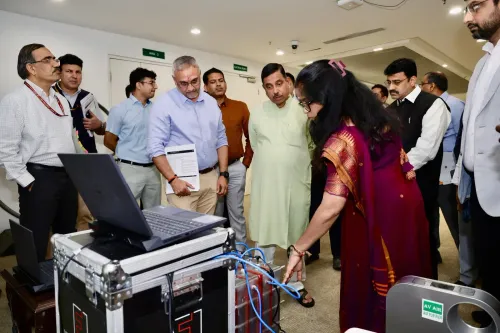
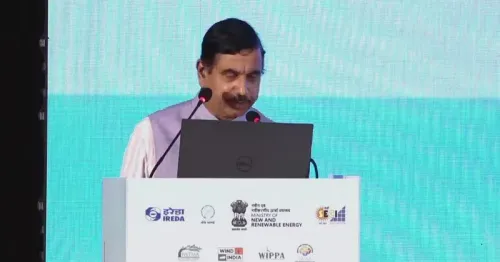
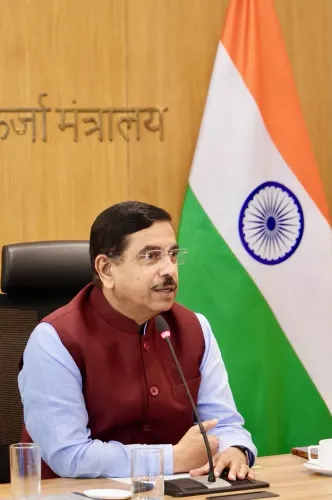
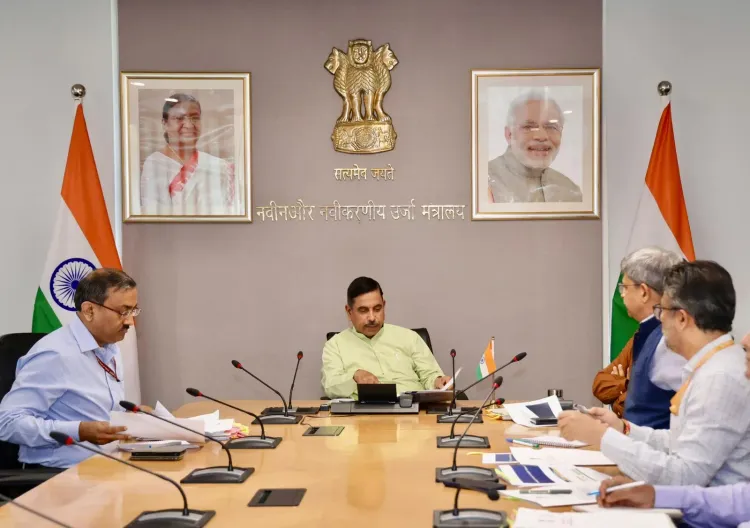
Union Consumer Affairs and New and Renewable Energy Minister Pralhad Joshi on Monday, 22 June 2026 chaired a review meeting with officials of the Ministry of New and Renewable Energy (MNRE) to assess progress under the National Bioenergy Programme, directing them to intensify outreach and onboard MSMEs at a larger scale to accelerate clean energy adoption across India.
Context
Posting on X after the meeting, Minister Joshi stated that the programme has 'created a capacity to utilise 80 lakh tonnes per year of agricultural and biogenic waste, with the potential to reduce LPG consumption by nearly 59 lakh kg annually.' He underscored that greater adoption of bioenergy is reducing dependence on imported LPG and other fossil fuels while simultaneously increasing farmers' income and strengthening India's energy security.
Joshi directed officials to focus on expanding non-bagasse cogeneration projects, scaling up green heat and steam applications, and encouraging biochar production — three sub-components of the programme that he identified as priority areas for intensified effort.
Policy Backdrop
The National Bioenergy Programme sits within a broader policy architecture that includes the National Policy on Biofuels (2018), which set blending targets to reduce petroleum imports, and the SATAT initiative (2018), launched to scale compressed biogas production from organic and agricultural waste. Together, these schemes reflect India's long-standing push to convert crop residues — a significant source of stubble-burning and air pollution — into a productive energy input.
The MNRE oversees all three pillars: cogeneration from non-sugarcane biomass, biogas and compressed biogas supply, and waste-to-energy conversion. The National Bioenergy Programme consolidates these streams under a single administrative umbrella, allowing the ministry to track capacity additions and utilisation in an integrated manner.
Stakeholders and Impact
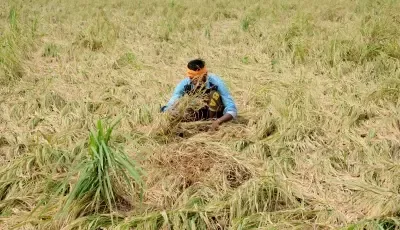
Farmers are a central beneficiary group: agricultural residue that would otherwise be burned in fields can instead be monetised as feedstock for bioenergy plants, generating supplementary income. Rural entrepreneurs and MSMEs stand to gain from the supply chains — collection, processing, and distribution — that bioenergy infrastructure creates at the local level.
Joshi specifically directed officials to 'onboard MSMEs in a bigger way so that clean energy solutions create new opportunities for industry, farmers and rural entrepreneurs.' This signals an intent to move beyond large utility-scale projects and embed bioenergy in the small-enterprise ecosystem, potentially widening the programme's geographic and economic footprint.
On the import-substitution side, every kilogram of LPG displaced by domestically produced biogas reduces India's foreign-exchange outgo on energy imports — a recurring priority for the government given the country's high dependence on imported hydrocarbons.
What's Next
The minister's directives are expected to translate into revised targets and outreach campaigns at the state level, with MNRE progress reports likely to carry updated data on MSME onboarding and cogeneration capacity additions in the coming months. State-level project approvals and MSME participation figures will be the key metrics to watch as the ministry operationalises Monday's directives. The push for biochar production — which also has soil-health benefits for agriculture — could open a new policy intersection between the energy and farm-welfare agendas.
Point of View
With MSMEs now explicitly in the frame alongside large cogeneration plants. The emphasis on non-bagasse cogeneration and biochar is notable: it diversifies the programme beyond the sugar sector, which has historically dominated biomass-energy policy. By linking bioenergy to LPG import substitution and farmer income in the same breath, Joshi is weaving together the energy-security and rural-welfare narratives that have anchored BJP's policy communication. The MSME directive, if backed by credit and procurement incentives, could be the most consequential outcome of the meeting — making bioenergy a bottom-up rural enterprise story rather than a top-down infrastructure one.
NationPress
22 Jun 2026
Frequently Asked Questions
What is the National Bioenergy Programme in India?
The National Bioenergy Programme is an MNRE scheme that supports the conversion of agricultural and biogenic waste into energy through cogeneration, biogas, and related technologies, aiming to cut fossil-fuel dependence and generate rural income.
How much LPG can India save through the National Bioenergy Programme?
According to Minister Pralhad Joshi's 22 June 2026 review, the programme has the potential to reduce LPG consumption by nearly 59 lakh kg annually.
What is non-bagasse cogeneration and why is it important?
Non-bagasse cogeneration refers to power and heat generation from biomass other than sugarcane waste — such as rice straw, wheat stubble, or forestry residue. Expanding it diversifies India's bioenergy base beyond the sugar sector.
How does bioenergy help Indian farmers?
Farmers can sell agricultural residue — crop stalks and husks that would otherwise be burned — as feedstock to bioenergy plants, creating a supplementary income stream from waste.
What role will MSMEs play in India's bioenergy push?
Minister Joshi directed MNRE officials to onboard MSMEs more actively so that small enterprises can participate in biomass collection, processing, and clean-energy distribution, creating new business opportunities at the local level.