Kedarnath 'Carry Me Back' Drive Collects 2 Tonnes of Waste
Synopsis
The Uttarakhand CMO reports that the 'Carry Me Back' campaign at Kedarnath Dham has collected 2 tonnes of waste with pilgrim cooperation during the ongoing Char Dham Yatra 2026 season, underlining state efforts to protect the fragile Himalayan shrine environment.
Key Takeaways
The Chief Minister's Office of Uttarakhand announced the milestone on 22 June 2026 .
The 'Carry Me Back' campaign has collected 2 tonnes of waste at Kedarnath Dham so far.
The drive runs in tandem with the Char Dham Yatra 2026 season and relies on active pilgrim participation.
Kedarnath is located in Rudraprayag district, one of the ecologically most sensitive zones on the Char Dham route.
The campaign aligns with the national Swachh Bharat Mission framework for waste management at religious and tourist sites.
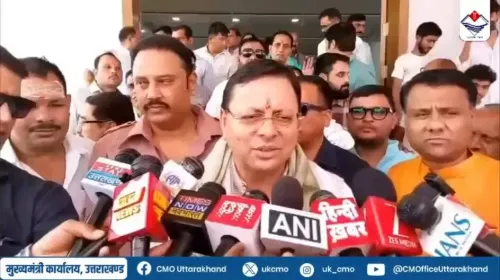
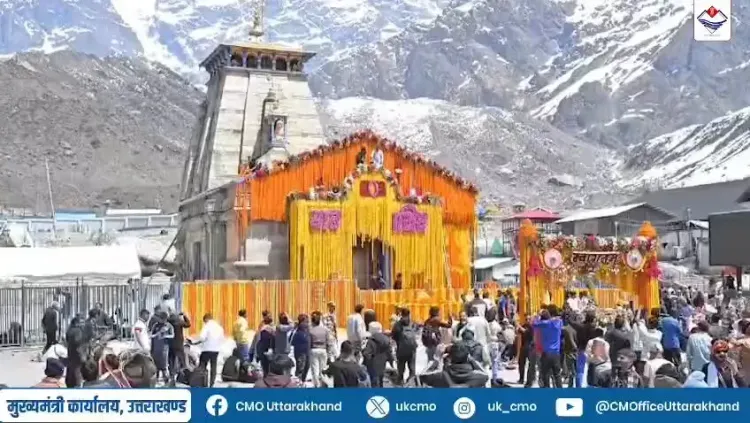
The Chief Minister's Office of Uttarakhand announced on Monday, 22 June 2026 that the 'Carry Me Back' cleanliness campaign at Kedarnath Dham has collected 2 tonnes of waste so far, with active participation from pilgrims visiting the high-altitude shrine.
Context
The post, shared by the official CMO Uttarakhand account, states: 'Kedarnath Dham ko swachh aur sundar banane ki muhim' ('The campaign to make Kedarnath Dham clean and beautiful') under the 'Carry Me Back' initiative has resulted in the collection of 2 tonnes of waste with the cooperation of devotees. The campaign is running alongside the ongoing Char Dham Yatra 2026 season, which draws millions of pilgrims to the four sacred shrines of Uttarakhand each summer.
Kedarnath, situated in the Rudraprayag district of the Garhwal Himalayas, is one of the most visited and ecologically sensitive pilgrimage destinations in India. The high footfall during the yatra season has historically posed significant waste management challenges at this altitude.
Policy Backdrop
The 'Carry Me Back' campaign sits within the broader framework of the Swachh Bharat Mission, launched in 2014, which introduced nationwide targets for solid-waste management at religious and tourist sites. State governments across the Himalayan region have repeatedly linked cleanliness drives to the Char Dham Yatra to curb plastic accumulation and organic waste at high-altitude shrines.
The approach of enlisting pilgrims themselves as active participants — rather than relying solely on sanitation workers — represents a citizen-engagement model that has been encouraged under the Swachh Bharat framework. The campaign name 'Carry Me Back' signals the core ask: that devotees carry their waste back down the trek route rather than leaving it at the shrine.
Stakeholders and Impact
The primary beneficiaries of this initiative are the pilgrims who visit Kedarnath each season and the local residents of Rudraprayag district, whose environment and livelihoods are directly affected by waste accumulation. The fragile Himalayan ecosystem around the shrine is particularly vulnerable to pollution given its high altitude and limited waste-processing infrastructure.
With 2 tonnes of waste already collected through pilgrim cooperation, the campaign demonstrates measurable early traction. The involvement of devotees in the cleanliness effort also carries symbolic weight, framing environmental responsibility as an extension of religious duty at a sacred site.
What's Next
As the Char Dham Yatra 2026 season progresses, attention will turn to whether the Uttarakhand government announces permanent waste-processing facilities along the Kedarnath trek route to sustain gains made by campaigns such as 'Carry Me Back'. Seasonal drives, while effective in raising awareness, require institutional infrastructure to deliver lasting environmental impact at one of India's most visited Himalayan shrines.
Point of View
Allowing it to demonstrate environmental stewardship at one of Hinduism's most prominent shrines during the high-visibility Char Dham Yatra season. Framing pilgrims as co-owners of the cleanliness mission is a deliberate strategy that sidesteps the state's own infrastructure gaps while building public goodwill. However, 2 tonnes collected across a full season at a site receiving millions of visitors raises questions about scale and whether citizen-led campaigns can substitute for permanent waste-processing investment. The broader test will be whether these seasonal drives translate into lasting infrastructure commitments before the next yatra season opens.
NationPress
22 Jun 2026
Frequently Asked Questions
What is the 'Carry Me Back' campaign at Kedarnath?
'Carry Me Back' is a cleanliness initiative run by the Uttarakhand government to reduce waste at Kedarnath Dham by encouraging pilgrims to carry their litter back down the trek route rather than leaving it at the shrine.
How much waste has been collected at Kedarnath in 2026?
According to the Chief Minister's Office of Uttarakhand, the 'Carry Me Back' campaign has collected 2 tonnes of waste at Kedarnath Dham so far during the Char Dham Yatra 2026 season.
Which district is Kedarnath Dham located in?
Kedarnath Dham is located in Rudraprayag district in the Garhwal Himalayas of Uttarakhand.
How does the Kedarnath cleanliness drive relate to Swachh Bharat Mission?
The campaign aligns with the Swachh Bharat Mission, launched in 2014, which set nationwide targets for solid-waste management at religious and tourist sites and encourages citizen participation in waste collection.
When does the Char Dham Yatra take place?
The Char Dham Yatra is an annual pilgrimage covering Yamunotri, Gangotri, Kedarnath and Badrinath that takes place each summer, drawing millions of devotees to Uttarakhand.