Kejriwal: 29 auto firms refused written reply on E20 fuel safety
Synopsis
AAP convenor Arvind Kejriwal says he wrote to 29 auto manufacturers asking if E20 petrol is safe for pre-2023 vehicles — all refused to reply in writing. Officials from 9 firms privately confirmed the facts in meetings, he claims, urging the public to watch a video he has released.
Key Takeaways
Kejriwal wrote to 29 automobile companies asking whether E20 petrol is safe for vehicles made before 2023 .
All 29 companies refused to provide a written response, according to Kejriwal.
Officials from 9 companies privately disclosed details in face-to-face meetings, he claims.
India's Ethanol Blended Petrol Programme began rolling out 20% ethanol-blended fuel from 2023 ; pre-2023 vehicles were not designed to this standard.
No formal compatibility certification for older vehicles has been issued by the Bureau of Indian Standards or the automobile industry.
Millions of pre-2023 vehicle owners face unresolved questions about engine safety, fuel efficiency, and warranty coverage.
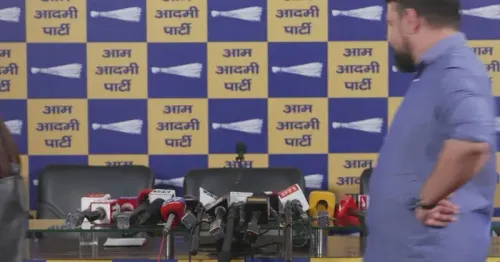
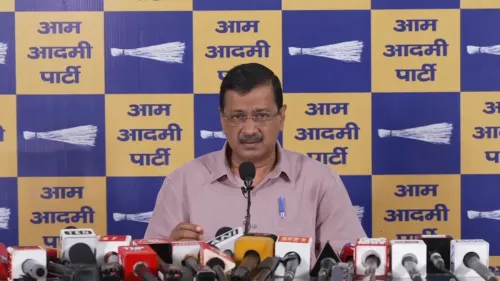
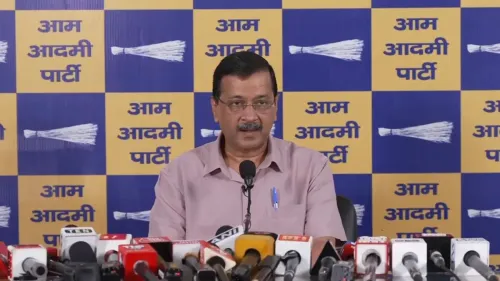
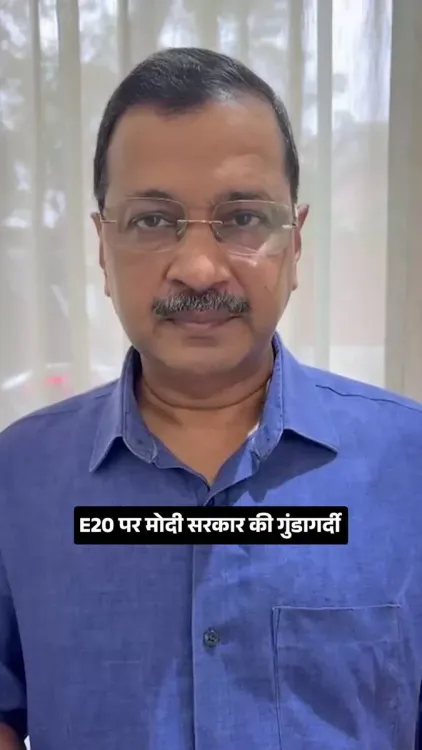
Twenty-nine automobile manufacturers were asked a simple question — and not one of them would answer it in writing. AAP convenor Arvind Kejriwal revealed on Wednesday, 29 July 2026 that he had written to all 29 auto companies asking whether E20 petrol — the government's 20% ethanol-blended fuel — is safe for vehicles manufactured before 2023, and every single company refused to respond on record.
In his post, Kejriwal wrote: 'Kuch din pehle maine 29 auto companies ko chitthi likhkar poocha tha ki kya 2023 se pehle ki gadiyon mein E20 istemal ho sakta hai?' ('A few days ago I wrote to 29 auto companies asking whether E20 can be used in vehicles made before 2023?'). He said all of them declined to answer in writing, adding, 'You can imagine how much fear there is.' However, he claimed that officials from 9 companies privately told him 'the whole truth' in face-to-face meetings — details he says are captured in a video he is urging the public to watch.
What E20 means for millions of older vehicles
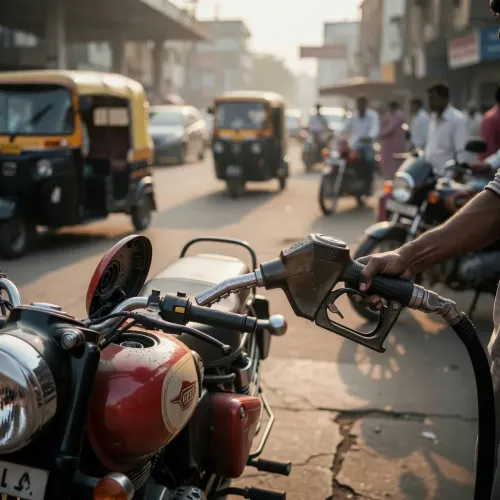
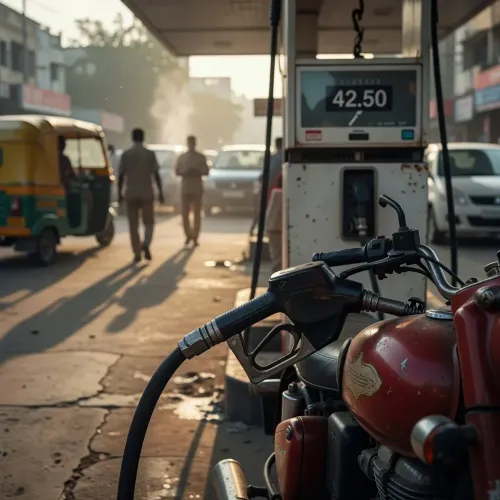
The stakes here are enormous. India's Ethanol Blended Petrol Programme — accelerated in 2021 when the central government moved the 20% blending target forward from 2030 to 2025 — began rolling out E20 fuel at select pumps from 2023. New vehicles from that year onward were designed and calibrated for the higher ethanol content. But the country's roads are dominated by vehicles built before those design changes — cars, two-wheelers, and three-wheelers whose fuel systems, rubber seals, and engine calibrations were never tested against E20.
Technical concerns around E20 compatibility in older vehicles centre on material corrosion, seal degradation, and fuel-efficiency loss. Critically, warranty coverage for pre-2023 vehicles using E20 has never been formally addressed by manufacturers as a class — which is precisely the silence Kejriwal is now spotlighting.
The silence that speaks loudest
A written refusal from 29 companies — if borne out — is not a minor bureaucratic dodge. It means that tens of millions of vehicle owners filling up at pumps that may already carry E20 blends have no manufacturer-backed assurance that their engines are safe. The Ministry of Petroleum and Natural Gas, which sets blending targets and fuel quality standards, has not issued a comprehensive public compatibility matrix for pre-2023 models.
Kejriwal's move — writing formal letters, logging refusals, then publishing what he says insiders told him off the record — is a classic accountability manoeuvre: create a paper trail, expose the gap between public silence and private admission, and let consumers draw their own conclusions. Whether the video he references contains verifiable technical claims will determine how much pressure this episode generates on regulators and the industry body.
What pre-2023 car owners need answered
For ordinary vehicle owners, the practical question is urgent: is the petrol at the pump damaging their engine, voiding their warranty, or reducing their mileage — and who is liable? A formal compatibility certification from the Bureau of Indian Standards or a clear industry-wide position from automobile manufacturers has not materialised. Until it does, the burden of uncertainty falls entirely on consumers who had no say in the fuel transition.
If nine companies' officials privately confirmed risks they won't put in writing, that gap between boardroom candour and public silence is the real story — and it is one that regulators can no longer afford to leave unanswered.
Point of View
The accelerated ethanol blending timeline. The refusal of manufacturers to respond in writing, if accurate, exposes a regulatory blind spot: the government has set blending targets without mandating a public compatibility disclosure regime for the existing vehicle fleet. This episode could force the Ministry of Petroleum and Natural Gas and automobile manufacturers into a corner on liability and consumer information — a politically potent issue given that pre-2023 vehicles account for the vast majority of cars on Indian roads.
NationPress
29 Jul 2026
Frequently Asked Questions
Is E20 petrol safe for cars made before 2023 in India?
Vehicles manufactured before 2023 were not designed or calibrated to the E20 standard. No comprehensive public compatibility certification has been issued for older models, leaving the safety question officially unanswered.
What is E20 fuel and when did India introduce it?
E20 is petrol blended with 20% ethanol . India began rolling it out at select fuel stations from 2023 as part of the Ethanol Blended Petrol Programme, with the national target brought forward to 2025 .
Why did Kejriwal write to 29 automobile companies?
Kejriwal wrote to 29 auto manufacturers seeking written confirmation on whether E20 petrol is safe for pre-2023 vehicles — a concern for millions of Indian car owners whose vehicles pre-date E20-specific design changes.
Can using E20 petrol damage an older car engine?
Technical concerns include corrosion of fuel-system components, rubber seal degradation, and altered fuel efficiency in vehicles not designed for higher ethanol content. No official manufacturer-wide guidance has been published for pre-2023 models.
What should pre-2023 vehicle owners do about E20 petrol?
Owners should check with their specific vehicle manufacturer or authorised service centre about E20 compatibility, and monitor any government or industry advisory from the Bureau of Indian Standards or automobile associations.