Kejriwal fires at BJP over Punjab drugs, farm laws return
Synopsis
AAP convenor Arvind Kejriwal accused BJP on October 16 of plotting to flood Punjab with drugs via Adani Ports, sheltering gangsters in Sabarmati Jail, and eyeing Punjab's rivers, Panjab University, Chandigarh, and a revival of the three repealed farm laws.
Key Takeaways
Kejriwal accused the BJP of spreading drugs in Punjab through the Adani Port route, in a post on October 16, 2026 .
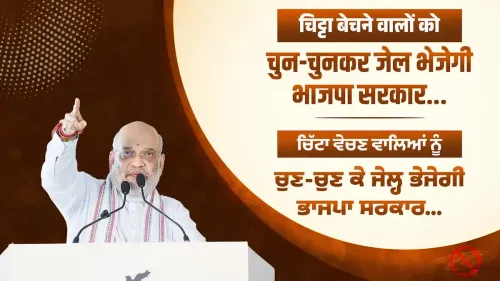
He alleged the BJP worked with a 'chitta party' between 2007 and 2017 to fuel Punjab 's heroin trade and plans to repeat it.
He claimed a gangster linked to the BJP was given protection inside Sabarmati Jail in Ahmedabad .
Kejriwal warned that the BJP has 'dirty eyes' on Punjab's river waters , Panjab University , and Chandigarh .
He accused the BJP of wanting to bring back the three farm laws , repealed in December 2021 after mass protests led by Punjab farmers.
His closing line — 'Punjab will never allow this' — framed the post as a direct mobilisation call ahead of anticipated political battles in the state.
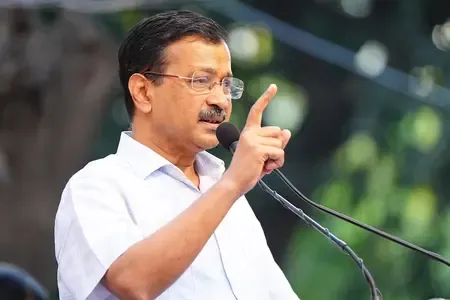
A firestorm of accusations landed on Friday, October 16, 2026, when AAP national convenor Arvind Kejriwal unleashed a pointed broadside at the BJP, alleging it is conspiring once again to flood Punjab with drugs — this time through what he called a partnership with its own 'chitta party' and allegedly using the Adani Ports route as a conduit.
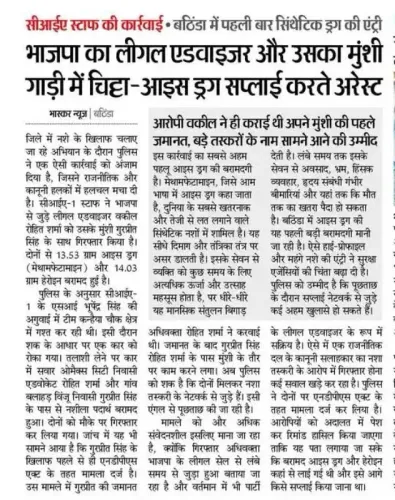
In the Hindi-language post, Kejriwal charged: 'पंजाब में अदानी पोर्ट के रास्ते नशा फैलाने वाले आप लोग!' ('You people who spread drugs in Punjab through the Adani Port route!'). He went on to allege that the same party had sheltered gangsters inside Sabarmati Jail in Ahmedabad, and had worked with a 'chitta party' — street slang for heroin dealers — between 2007 and 2017 to fuel the drug trade across the state.
The 'chitta party' charge and what it recalls
The phrase 'chitta party' is a loaded reference in Punjab politics. Chitta is the colloquial term for heroin in the state, and accusing a political party of being synonymous with its trade is among the sharpest attacks in the region's electoral vocabulary. Kejriwal claimed the party is now dreaming of 'earning billions again by selling drugs in Punjab' after having allegedly failed to profit sufficiently in states it has governed for years.
AAP's sweeping 2022 Punjab election victory was built substantially on a promise to break the drug-trafficking networks that have devastated the state's youth for more than a decade. The accusation that a rival is trying to restore those networks carries direct emotional weight for families across the state's border districts.
Chandigarh, Punjab University, river waters — the triple threat
Kejriwal did not stop at drugs. He accused the BJP of also having 'dirty eyes' — 'गंदी नज़र' — on three politically sensitive prizes: Punjab's river waters, Panjab University in Chandigarh, and the Union Territory of Chandigarh itself. Each is a perennial flashpoint.
Control over the Chandigarh administration has been the subject of recurring centre-state friction, with AAP having contested several municipal appointments in the territory. Panjab University, one of the oldest public universities in the region, similarly sits at the intersection of Punjab's identity politics and federal jurisdiction. River water sharing — particularly the Sutlej-Yamuna Link canal dispute — remains an unresolved wound in Punjab's relationship with the central government and neighbouring states.
The three farm laws warning
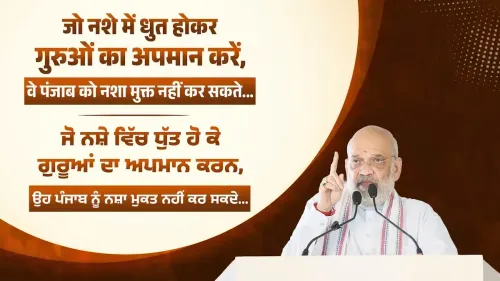
Kejriwal's sharpest political warning came at the close of his post: 'आप फिर से तीनों काले क़ानून लाना चाहते हो?' — 'Do you want to bring back the three black laws again?' The three central agricultural laws, enacted in September 2020, triggered one of India's most sustained protest movements, centred overwhelmingly in Punjab and the surrounding farm belt, before being repealed in December 2021. Invoking them is a direct appeal to the agrarian community's memory of that year-long struggle. His closing line was unambiguous: 'Punjab will never allow this.'
The post arrives as a combative early salvo ahead of what is shaping up to be a politically charged period in the state. AAP has governed Punjab since its historic victory in early 2022, and any challenge to its anti-drugs, pro-farmer narrative strikes at the heart of its mandate. Kejriwal is telling Punjab's voters: the forces that were defeated in 2022 are coming back — and he intends to make sure they remember why they voted the way they did.
Point of View
The gangster allegation, the farm laws memory, and the Chandigarh-university-rivers trifecta into one broadside, he is attempting to consolidate AAP's 2022 mandate before any electoral or political challenge crystallises in Punjab. The invocation of the farm laws is particularly strategic — it reconnects AAP to the protest movement that gave it enormous moral capital in the state. The Adani Ports allegation inserts a national-level corporate name into a state-level drug debate, signalling that Kejriwal intends to fight any Punjab challenge on the widest possible political canvas.
NationPress
16 Oct 2026
Frequently Asked Questions
What did Kejriwal say about Adani Port and drugs in Punjab?
Kejriwal alleged on October 16, 2026 that the BJP is spreading drugs in Punjab through the Adani Port route, though no independent verification of this specific claim is available.
What is the 'chitta party' Kejriwal is referring to?
'Chitta' is a colloquial term for heroin in Punjab. Kejriwal used 'chitta party' as a derogatory label for the BJP, alleging it partnered with drug networks between 2007 and 2017 .
Why did Kejriwal mention the three farm laws?
The three central agricultural laws, enacted in September 2020 and repealed in December 2021 after sustained farmer protests centred in Punjab , remain deeply symbolic. Kejriwal warned the BJP wants to bring them back, invoking farmers' memories of that movement.
What is the dispute over Chandigarh and Panjab University?
Chandigarh is a Union Territory serving as the shared capital of Punjab and Haryana, making it a recurring site of centre-state friction. Panjab University similarly sits at the intersection of regional identity and federal jurisdiction, and control over both has been contested between AAP and the central government.
What is Sabarmati Jail and why did Kejriwal mention it?
Sabarmati Central Jail in Ahmedabad, Gujarat is a major prison that has housed high-profile inmates. Kejriwal alleged, without providing specifics, that the BJP gave protection to a Punjab gangster inside the facility.