Kejriwal Launches Petition Against E20 Petrol, Writes to PM Modi
Synopsis
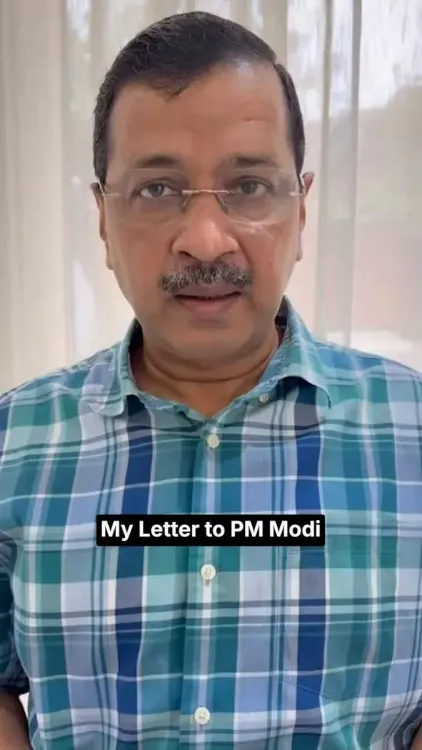
AAP convenor Arvind Kejriwal on 14 July 2026 wrote to Prime Minister Modi opposing the E20 ethanol-petrol blending mandate and launched a public petition at stope20petrol.com, calling on citizens to share their fuel experiences and push back against the policy.
Key Takeaways
Arvind Kejriwal wrote a letter to Prime Minister Narendra Modi on 13 July 2026 opposing the E20 petrol blending mandate .
He announced the letter publicly on 14 July 2026 via a post on X and launched an online petition at stope20petrol.com .
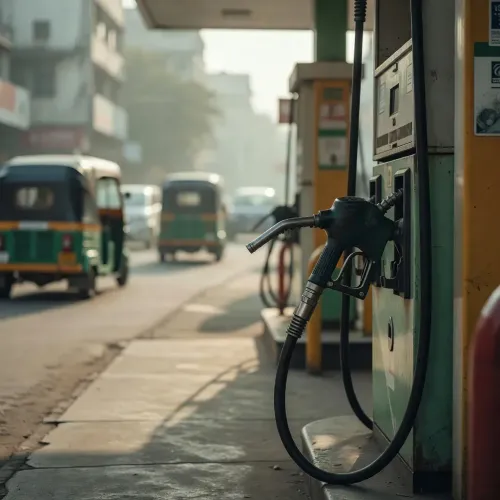
E20 petrol is a government-mandated blend of 20 per cent ethanol with petrol, promoted under the National Policy on Biofuels, 2018 .
The central government advanced its 20 per cent blending target from 2030 to 2025 .
Consumer complaints about mileage loss and engine compatibility with older vehicles have accompanied the rollout of higher ethanol blends.
AAP has a pattern of opposing central energy measures it argues hurt Delhi and urban consumers.
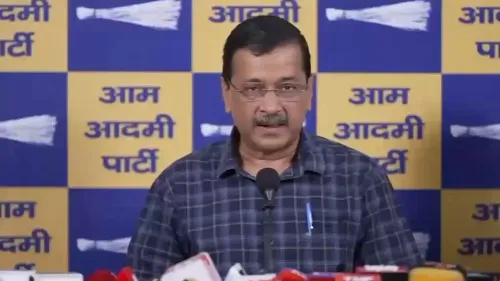
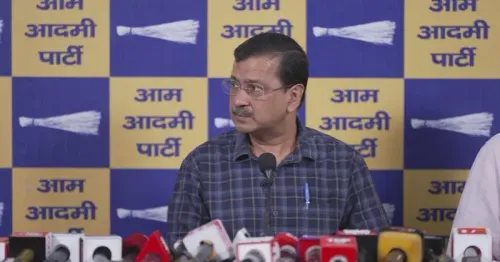
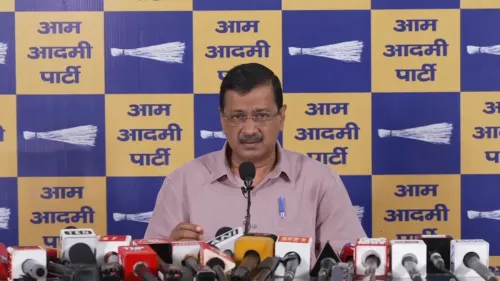
AAP convenor Arvind Kejriwal on Tuesday, 14 July 2026, announced that he had written a letter to Prime Minister Narendra Modi opposing the government's E20 petrol blending mandate, and called on citizens to sign an online petition addressed to the Prime Minister at stope20petrol.com.
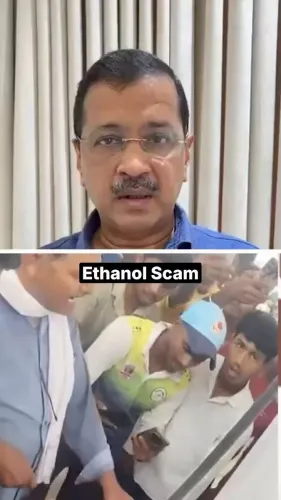
In his post, Kejriwal wrote: 'कल मैंने प्रधानमंत्री जी को पत्र लिखा' ('Yesterday I wrote a letter to the Prime Minister'), urging followers to 'raise their voice together against E20' and to share their personal experiences with the Prime Minister by signing the petition linked in the post.
Context
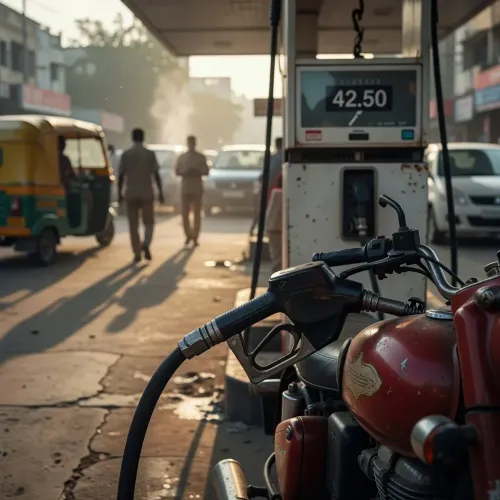
E20 petrol is a government-mandated fuel blend comprising 20 per cent ethanol mixed with petrol. The central government has promoted the blend as a measure to reduce crude oil import dependence and support farm incomes, particularly for sugarcane farmers. Kejriwal's intervention marks one of the more direct political challenges to the blending programme at the national level.
AAP has previously positioned itself against several central energy policies that it argues adversely affect consumers in Delhi and other urban centres. The petition campaign extends that posture into a citizen-mobilisation effort.
Policy Backdrop
India's National Policy on Biofuels, 2018 established a roadmap for achieving 20 per cent ethanol blending in petrol by 2030, a target the central government subsequently advanced to 2025. Successive administrations have expanded ethanol blending since the early 2000s, framing it as an energy-security and agricultural-income measure.
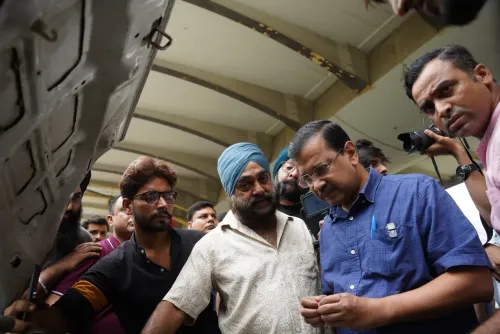
However, the higher blends have drawn complaints from vehicle owners — particularly in cities — about reduced mileage and compatibility issues with older engines not designed for high-ethanol fuels. These consumer grievances form the backdrop against which Kejriwal's petition campaign is being launched.
Stakeholders and Impact
Vehicle owners across Indian cities are the primary constituency Kejriwal is appealing to, with urban consumers having reported concerns about fuel efficiency under higher ethanol blends. At the same time, sugarcane farmers — a significant rural constituency — have benefited from the ethanol blending programme, which provides an additional revenue stream for their produce.
The petition thus cuts across competing interests: urban consumers concerned about engine performance and running costs on one side, and the agricultural sector and energy-security advocates on the other. The Petroleum Ministry oversees blending mandates and has the authority to revise targets.
What's Next
The petition campaign at stope20petrol.com is live and invites citizens to both sign and share their experiences with E20 fuel. Whether the Prime Minister's Office formally responds to Kejriwal's letter, or whether the petition generates sufficient public momentum to prompt a policy review, will determine the campaign's political and legislative impact.
Observers will also watch whether other opposition parties join the effort, and whether the Petroleum Ministry issues any clarification on blending mandates or engine-compatibility safeguards in the weeks ahead.
Point of View
Leveraging a policy that has tangible daily-life consequences — reduced mileage and engine wear — for millions of city-based vehicle owners. By framing the issue as a letter to the Prime Minister and inviting citizens to 'share their experiences,' AAP is building a participatory political narrative around a technocratic fuel policy. The move also highlights a structural tension in India's energy transition: ethanol blending serves rural agricultural interests and energy security goals, but imposes real costs on urban consumers with older vehicles. Whether this petition translates into legislative pressure or remains a mobilisation exercise will depend on the scale of public response and whether the opposition can sustain the issue beyond a single news cycle.
NationPress
14 Jul 2026
Frequently Asked Questions
What is E20 petrol and why is Kejriwal opposing it?
E20 petrol is a fuel blend containing 20 per cent ethanol and 80 per cent petrol, mandated by the central government under the National Policy on Biofuels. Kejriwal is opposing it citing consumer concerns about reduced mileage and compatibility issues with older vehicle engines.
What did Kejriwal write to PM Modi about E20?
Kejriwal announced on 14 July 2026 that he had written a letter to Prime Minister Narendra Modi opposing the E20 petrol blending mandate, though the specific contents of the letter have not been independently verified.
How can I sign the petition against E20 petrol?
Kejriwal has directed citizens to the website stope20petrol.com to sign the petition addressed to the Prime Minister and share their personal experiences with E20 fuel.
When did India introduce E20 petrol?
India's National Policy on Biofuels, 2018 set a target of 20 per cent ethanol blending by 2030, which the central government later advanced to 2025. Ethanol blending programmes in India date back to the early 2000s.
Does E20 petrol reduce mileage in Indian vehicles?
Consumer complaints about reduced mileage and engine compatibility issues — particularly in older vehicles not designed for high-ethanol blends — have accompanied the rollout of E20 petrol in Indian cities, and form a key part of the opposition to the mandate.