Kejriwal Slams Pradhan Over Paper Leak Crackdown on Students
Synopsis
AAP convenor Arvind Kejriwal on 24 June 2026 accused Education Minister Dharmendra Pradhan of arrogance, alleging the government brands innocent students protesting paper leaks as anti-national while destroying their futures. The attack escalates opposition pressure over NEET and national exam integrity failures.
Key Takeaways
AAP convenor Arvind Kejriwal posted a sharp attack on Union Education Minister Dharmendra Pradhan on 24 June 2026 .
Kejriwal accused the government of labelling students who protest paper leaks as wanting to break the country — invoking the politically charged tukde-tukde phrase sarcastically.
The post targets the government's handling of alleged NEET and national exam paper leaks that triggered student protests from 2024 onward.
NEET was introduced in 2016 as a single national medical entrance exam and has faced repeated controversy over examination integrity.
Kejriwal frames the government's response as suppression of legitimate student accountability demands rather than protection of national interest.
The controversy is expected to intensify calls for independent oversight and enhanced security protocols in national entrance examinations.
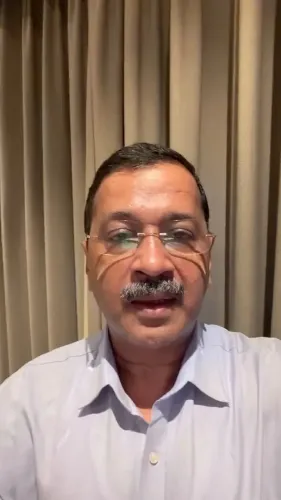
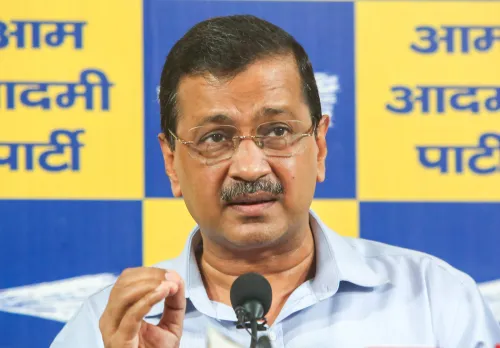
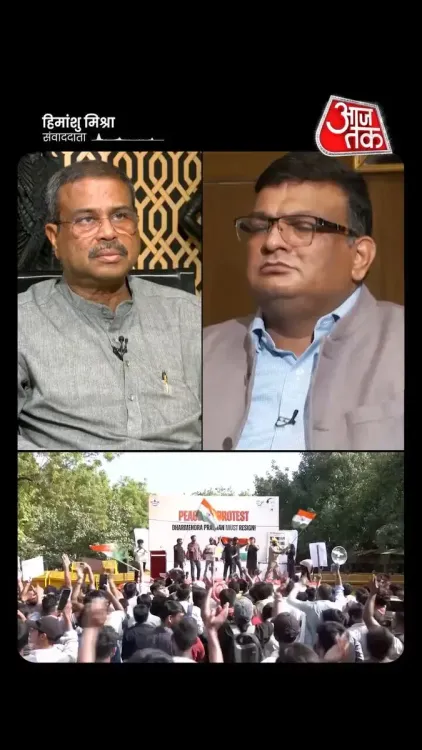
AAP convenor Arvind Kejriwal on Wednesday, 24 June 2026 sharply attacked Union Education Minister Dharmendra Pradhan, accusing the central government of branding students who protest against paper leaks as anti-national while destroying their futures in the name of protecting the country.
Posting on X, Kejriwal wrote in Hindi: 'Itna ahankaar? Paper leak ka virodh karne wale masoom bachche desh ke tukde-tukde karna chahte hain... aur aap unka bhavishya barbad karke desh bacha rahe hain, Dharmendra Pradhan ji? Waah' — which translates as: 'So much arrogance? Innocent children who oppose paper leaks want to break the country into pieces... and you are saving the country by ruining their future, Dharmendra Pradhan ji? Wow.'
Context
The post is a direct response to what Kejriwal characterises as the government's framing of student protests against examination paper leaks as a threat to national integrity. The phrase 'tukde-tukde' — literally 'pieces-pieces' — has been widely used in Indian political discourse to describe alleged anti-national activity, and Kejriwal's use of it here is pointed and sarcastic, turning the charge back on the government.
Kejriwal, a former Chief Minister of Delhi and national convenor of the Aam Aadmi Party (AAP), has consistently positioned himself as a defender of students and youth aspirations, frequently targeting central government policies on education and examination administration.
Policy Backdrop
The National Eligibility cum Entrance Test (NEET), introduced in 2016 as a single national examination for undergraduate medical admissions, has faced repeated controversies over alleged question paper leaks. From 2024 onward, multiple instances of suspected leaks in NEET and other national entrance examinations triggered widespread student protests and demands for government accountability.
Dharmendra Pradhan, as Union Minister of Education, has overseen the government's response to these controversies, including inquiries and proposed reforms to examination security protocols. The ministry has faced sustained pressure from opposition parties, student groups, and parents over the integrity of high-stakes national tests.
Stakeholders and Impact
At the centre of this dispute are lakhs of medical and competitive examination aspirants across India whose futures hinge on the credibility of national entrance tests. A compromised examination system directly disadvantages students who prepare honestly for years, and any perception that protests are being delegitimised adds to their grievance.
Opposition parties, including AAP, have framed the paper leak issue as a systemic failure of the NDA government rather than an isolated incident. The use of nationalism-adjacent rhetoric against protesting students has drawn criticism from civil society voices who argue it conflates accountability demands with disloyalty.
What's Next
Attention will now turn to the Education Ministry's next steps on examination security — including any announcements on enhanced anti-leak protocols, independent oversight mechanisms, or parliamentary committee reviews of entrance test administration. Kejriwal's intervention is likely to intensify opposition pressure on Pradhan to respond publicly to the specific allegations of student suppression.
With examination credibility emerging as a live political flashpoint, the government's handling of both the security lapses and the student protests will be closely watched ahead of any further legislative or policy moves on education reform.
Point of View
He exposes the political cost of delegitimising student protests. This fits a broader AAP pattern of positioning the party as the institutional defender of youth aspirations against a BJP-run Centre. The paper leak issue has proven unusually durable as an opposition talking point precisely because it cuts across caste and class lines, uniting aspirants from diverse backgrounds. If the Education Ministry does not produce credible reforms, the political liability for the NDA on this issue is likely to compound ahead of future electoral cycles.
NationPress
24 Jun 2026
Frequently Asked Questions
Why is Kejriwal criticising Dharmendra Pradhan over paper leaks?
Kejriwal accused Pradhan of branding students who protest paper leaks as anti-national, arguing the government is destroying students' futures rather than fixing examination failures.
What is the NEET paper leak controversy?
NEET, India's national medical entrance exam introduced in 2016, has faced multiple alleged question paper leak incidents from 2024 onward, triggering widespread student protests and demands for accountability.
What does 'tukde-tukde' mean in Indian politics?
'Tukde-tukde' literally means 'pieces-pieces' in Hindi and has been used in Indian political discourse to describe alleged anti-national activity. Kejriwal used it sarcastically to criticise the government's framing of student protesters.
Who is Dharmendra Pradhan?
Dharmendra Pradhan is the Union Minister of Education in the NDA government, responsible for overseeing national entrance examinations including NEET and implementing exam security reforms.
What action is expected from the Education Ministry on paper leaks?
The ministry is expected to announce enhanced examination security protocols and may face parliamentary committee scrutiny over the administration of national entrance tests following sustained opposition pressure.