Kerala 24x7 specialist care plan hits manpower wall at district hospitals
Synopsis
Kerala's plan to bring round-the-clock specialist care to every district hospital sounds transformative — but doctors say the state is trying to build a 24x7 system on a workforce already short by 800 posts. With Kasaragod, Kannur and Palakkad alone carrying over 100 vacancies, the reform could hollow out primary care even as it promises to upgrade district hospitals.
Key Takeaways
The Kerala government plans to roll out 24x7 specialist care at district and general hospitals, with the first phase covering at least one hospital per district within six months .
Specialities include medicine, surgery, orthopaedics, paediatrics and gynaecology , with night-time emergency procedures envisaged.
KGMOA warns the Health Department has around 800 doctor vacancies — nearly 300 in the specialist cadre and 476 in the general cadre .
Some district hospital departments have only three or four specialists , against the roughly 100 doctors a medical college department deploys for round-the-clock cover.
Districts Kasaragod, Kannur and Palakkad alone account for more than 100 unfilled doctor posts .
KGMOA has called for new specialist posts, urgent recruitment, and stronger emergency department staffing before the plan is implemented.
Kerala's ambitious plan to deliver round-the-clock specialist healthcare at district and general hospitals has run into its first significant obstacle, with government doctors warning that the reform risks weakening the state's public health system unless fresh posts are created and existing vacancies filled. The Kerala Government Medical Officers' Association (KGMOA) issued a formal caution on Thursday, 27 August, even as it welcomed the initiative in principle.
What the Government Is Proposing
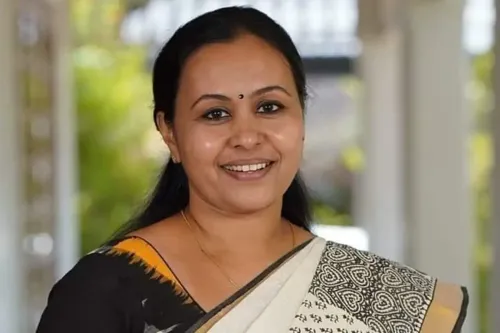
Health Minister K. Muraleedharan has positioned the initiative as a landmark shift in bringing specialist treatment closer to patients' homes. The first phase, under the Chief Minister V.D. Satheesan-led government, is expected to cover at least one district or general hospital in every district within six months. Specialities earmarked for round-the-clock coverage include medicine, surgery, orthopaedics, paediatrics and gynaecology, along with emergency procedures and surgeries during night hours. The government hopes the move will reduce the growing patient burden on medical colleges.
The Manpower Gap Doctors Are Warning About
Dr P.K. Sunil, President, and Dr Jobin G. Joseph, General Secretary of KGMOA, said in a joint statement that the workforce at district and general hospitals is far short of what a genuine 24x7 system demands. 'A medical college department providing round-the-clock care may have nearly 100 doctors, including faculty, senior residents and junior residents. Several district and general hospitals, in contrast, have only three or four specialists in some departments,' they said. Doctors warn that simply rostering these specialists on call would be unsafe — staff attending night emergencies would still be expected to manage outpatient, inpatient and theatre duties the following day, raising serious concerns over doctor fatigue and patient safety.
Vacancies Compounding the Crisis
According to KGMOA, the Health Department already carries around 800 doctor vacancies, including nearly 300 in the specialist cadre and 476 in the general cadre. Districts such as Kasaragod, Kannur and Palakkad alone account for more than 100 doctor vacancies. The association has also flagged the risk that redeploying doctors from existing postings could strip primary and community health centres of critical personnel — institutions that handle immunisation, maternal and child care, and the management of communicable and lifestyle diseases, and that serve as the first line of defence against unnecessary referrals to higher facilities.
What KGMOA Is Demanding
The association has urged the government to create new specialist posts, urgently recruit to fill existing vacancies, and strengthen emergency departments with additional casualty medical officers and effective triage systems. The doctors' position is not a rejection of the reform itself. As the association put it, the medical fraternity supports bringing specialist care closer to patients — but argues that a genuine 24x7 system cannot be built by stretching an already depleted workforce.
What Happens Next
The government has not yet responded publicly to KGMOA's concerns. With the first-phase rollout targeted within six months, the state will need to reconcile its reform ambitions with a credible recruitment and deployment plan. How quickly Thiruvananthapuram addresses the vacancy backlog may determine whether this initiative transforms district healthcare or simply redistributes an existing burden.
Point of View
So the ambition behind the 24x7 specialist plan is consistent with that identity. What is less consistent is the attempt to deliver a medical-college-grade service through a district hospital system that, by KGMOA's own count, is running 800 posts short. The risk is not just implementation failure — it is that redeployment cannibalises primary care, the very layer that keeps avoidable cases from flooding higher facilities. If the government proceeds without a credible recruitment plan, it may end up trading one queue for another.
NationPress
11 Oct 2026
Frequently Asked Questions
What is Kerala's 24x7 specialist care plan for district hospitals?
It is an initiative by the Kerala government, led by Chief Minister V.D. Satheesan and Health Minister K. Muraleedharan, to make specialist healthcare available round-the-clock at district and general hospitals rather than only at medical colleges. The first phase aims to cover at least one hospital per district within six months, with specialities including medicine, surgery, orthopaedics, paediatrics, and gynaecology.
Why are Kerala doctors opposing the 24x7 specialist care rollout?
The Kerala Government Medical Officers' Association (KGMOA) is not opposed to the idea but warns it cannot work without new posts and urgent recruitment. Doctors say some district hospital departments have only three or four specialists — far fewer than the roughly 100 needed for genuine round-the-clock cover — and that forcing existing staff onto night call while retaining daytime duties raises serious patient safety and doctor fatigue concerns.
How many doctor vacancies does Kerala's Health Department currently have?
According to KGMOA, the Kerala Health Department has around 800 unfilled doctor posts — nearly 300 in the specialist cadre and 476 in the general cadre. Kasaragod, Kannur, and Palakkad districts alone account for more than 100 vacancies.
What happens to primary health centres if district hospital doctors are redeployed?
KGMOA has warned that redeployment could deprive primary and community health centres of doctors who handle immunisation, maternal and child care, and communicable and lifestyle disease management. These centres are critical to preventing unnecessary referrals to higher-level hospitals, and thinning their workforce could undermine the entire three-tier public health system.
What has KGMOA asked the Kerala government to do before implementing the plan?
KGMOA has urged the government to create new specialist posts, fill existing vacancies through urgent recruitment, and strengthen emergency departments with additional casualty medical officers and effective triage systems — all before the 24x7 model is rolled out.