Kalyana Karnataka green cover: Khandre vows funds, plantation drive for parched region
Synopsis
Kalyana Karnataka's green cover stands at a stark 1-2% — and the Siddaramaiah government is now staking KKRDB funds and a large-scale plantation drive to fix it. With a ₹44 crore zoo inaugurated and 11 lakh saplings already in the ground at 90% survival, the ambition is clear. Whether the funding follows through at the 2026-27 KKRDB meeting is the real test.
Key Takeaways
Kalyana Karnataka has just 1-2% green cover , causing climate imbalances, according to Minister Eshwar Khandre .
Funds for afforestation will be discussed at the 2026-27 KKRDB meeting ; large-scale plantation drives are planned.
A new zoo built for ₹44 crore across 42.33 acres near Madabool village, Kalaburagi was inaugurated — the second-largest in the region.
56 animal species are planned; two tigers from Bannerghatta National Park have already been relocated.
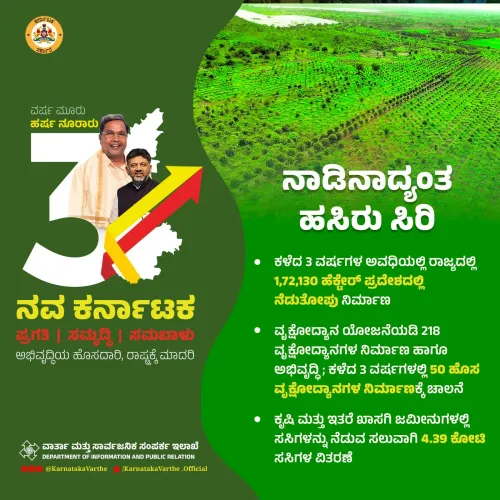
Nearly 11 lakh saplings planted statewide since the current government took office, with a 90% survival rate .
About 10,000 acres of encroached forest land cleared statewide, including 200 acres in Bengaluru ; Supreme Court has ordered an SIT .
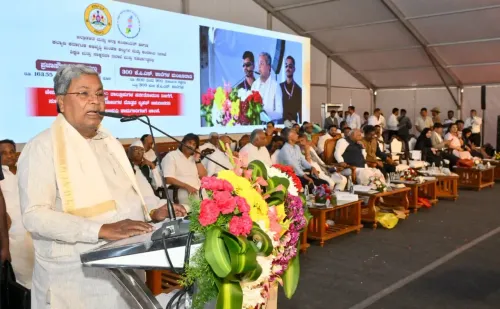
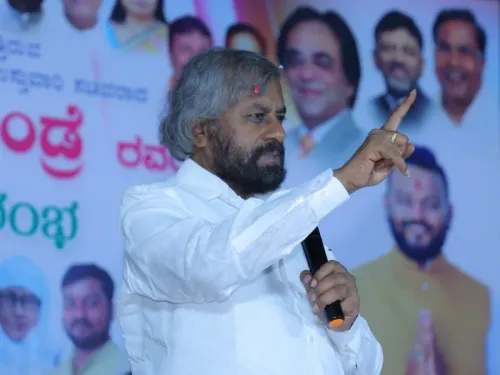
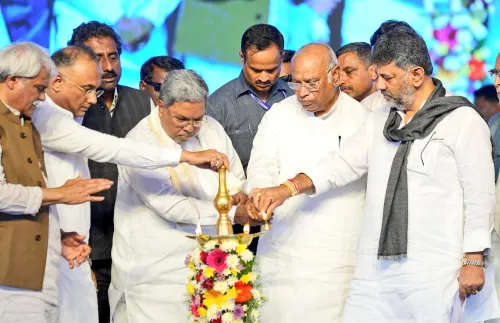
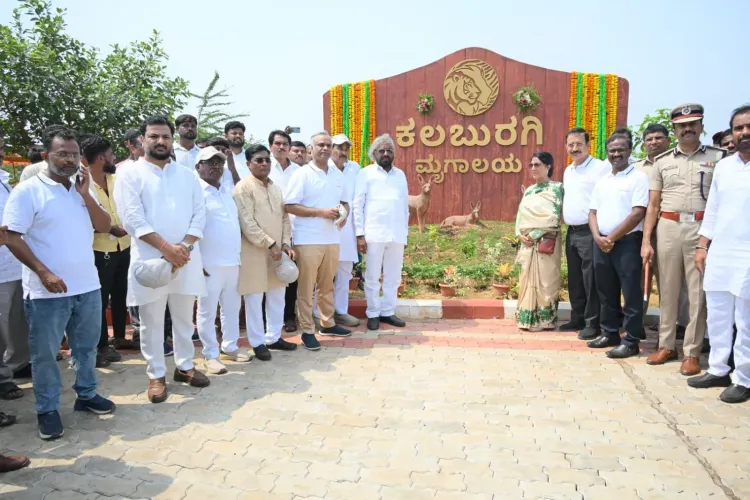
Karnataka Forest, Ecology and Environment Minister Eshwar Khandre on Monday announced that the Siddaramaiah government would undertake targeted measures to expand green cover across the Kalyana Karnataka region, which currently records a critically low forest and tree cover of just one to two per cent, contributing to recurring climatic irregularities. The announcement was made in Kalaburagi during the inauguration of a newly constructed zoo near Madabool village in Kalagi taluk of Chittapur constituency.
Green Cover Crisis and Government Response
Minister Khandre described the region's green cover deficit as a serious ecological concern. 'The Kalyana Karnataka region has a serious shortage of green cover, resulting in climate imbalances. There is a need to create awareness regarding environmental protection. We will discuss this issue in the upcoming KKRDB meeting and take steps to release the required funds,' he said.
He confirmed that the 2026-27 KKRDB meeting would deliberate on fund allocation for large-scale plantation drives aimed at reversing the region's environmental decline. This comes amid growing concern across peninsular India about deforestation-linked weather disruptions, with Kalyana Karnataka — historically one of the drier sub-regions of Karnataka — particularly exposed.
New Zoo Inaugurated: Second-Largest in Kalyana Karnataka
The newly opened zoo, built at a cost of ₹44 crore across 42.33 acres, is the second-largest zoo in the Kalyana Karnataka region, after the one established in Hampi. Khandre credited Rural Development and IT Minister Priyank Kharge for his active interest in driving the project to completion.
The facility currently houses crocodiles, foxes, and several other species. Two tigers have already been relocated from Bannerghatta National Park and are being acclimatised to local conditions. In all, 56 different animal species are planned for the zoo, with the remaining identified species expected to arrive within the next three months. Officials have been tasked with ensuring the tigers receive appropriate food and care during the adjustment period.
Afforestation Push: 11 Lakh Saplings, 90% Survival Rate
Khandre highlighted that since the present government took office, approximately 11 lakh saplings have been planted across Karnataka, with a reported survival rate of around 90 per cent. Officials have been directed to ensure adequate water supply and protection for the saplings for a minimum of five years.
Notably, this level of post-plantation monitoring represents a shift from earlier afforestation efforts, which were often criticised for poor sapling survival due to inadequate follow-up care.
Forest Encroachment and Vacancies
On the issue of forest land encroachment, Khandre said eviction drives have been intensified statewide. So far, nearly 10,000 acres of encroached forest land have been cleared, including approximately 200 acres in Bengaluru. The Supreme Court has also directed the formation of a Special Investigation Team (SIT) in the matter, adding judicial pressure to the enforcement effort.
The minister warned that strict action would be taken against illegal tree-felling on forest or government land, while clarifying that exemptions apply to trees on private land. Responding to a question on staffing gaps, Khandre confirmed that Chief Minister Siddaramaiah has already granted permission to recruit additional veterinary staff for the Forest Department, with steps to fill other vacancies to follow in the coming days.
What Comes Next
The KKRDB funding discussions in 2026-27 will be a key milestone to watch — the outcome will determine the scale and pace of the plantation drive. With the zoo expected to draw tourists and the government signalling a broader environmental push, Kalyana Karnataka's ecological revival will depend on whether fund releases and ground-level execution match the ambition of Monday's announcements.
Point of View
Not a policy footnote — yet Monday's announcement stops short of a committed outlay, deferring to a future KKRDB meeting. The government's 11-lakh-sapling claim with a 90% survival rate is encouraging if independently verified, but past afforestation drives in arid sub-regions have routinely overstated survival numbers. The Supreme Court's SIT order on encroachments adds a layer of accountability that the plantation drive currently lacks. Kalyana Karnataka's climate vulnerability is structural; periodic plantation announcements without binding timelines and third-party audits risk becoming a recurring ritual rather than a reversal.
NationPress
20 Sept 2026
Frequently Asked Questions
Why does the Kalyana Karnataka region have such low green cover?
The Kalyana Karnataka region has historically been one of the drier, more arid sub-regions of Karnataka, and decades of inadequate afforestation and forest encroachment have left it with just 1-2% green cover. Minister Eshwar Khandre has attributed recurring climatic irregularities in the area directly to this deficit.
What steps is the Karnataka government taking to increase green cover in Kalyana Karnataka?
The government plans to undertake large-scale plantation drives funded through the KKRDB, with formal fund allocation to be decided at the 2026-27 KKRDB meeting. Since taking office, the Siddaramaiah government has already planted approximately 11 lakh saplings statewide, with officials directed to ensure care and water supply for at least five years.
What is the new zoo inaugurated near Kalaburagi, and what will it have?
The zoo near Madabool village in Kalagi taluk, Chittapur constituency, is built across 42.33 acres at a cost of ₹44 crore and is the second-largest zoo in the Kalyana Karnataka region. It will eventually house 56 animal species; two tigers from Bannerghatta National Park have already been shifted, and all remaining species are expected within three months.
What action is the Karnataka government taking on forest land encroachment?
The government has intensified statewide eviction drives, clearing nearly 10,000 acres of encroached forest land, including around 200 acres in Bengaluru. The Supreme Court has also directed the formation of an SIT to oversee the matter.
Are there vacancies in Karnataka's Forest Department, and will they be filled?
Yes, staffing gaps exist in the Forest Department. Chief Minister Siddaramaiah has already granted permission to recruit additional veterinary staff, and Minister Khandre confirmed that steps to fill other required posts will follow in the coming days.