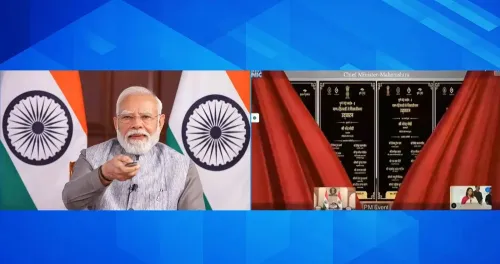
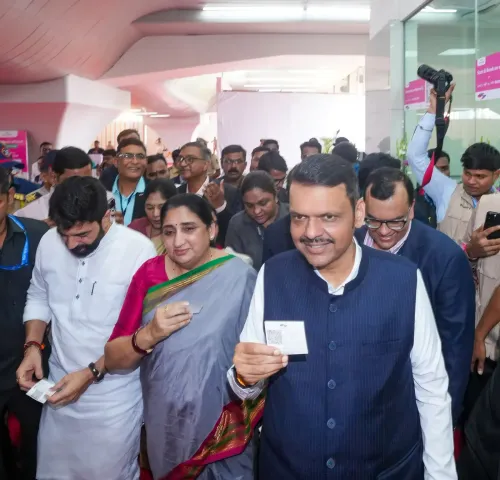
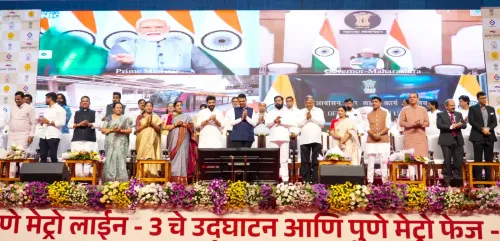
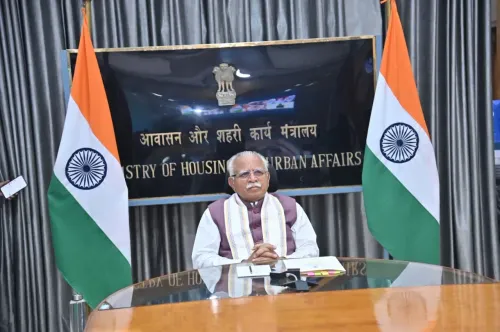
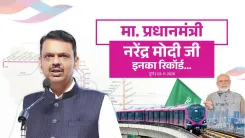
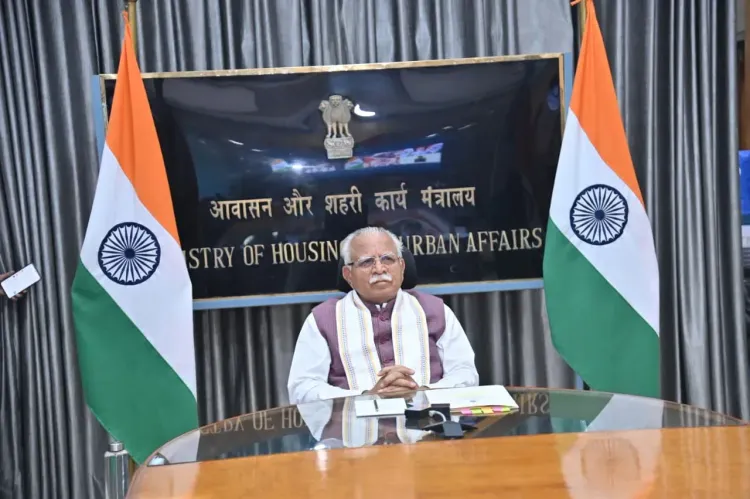
Khattar inaugurates Pune Metro Line-3 linking Hinjewadi IT hub
Synopsis
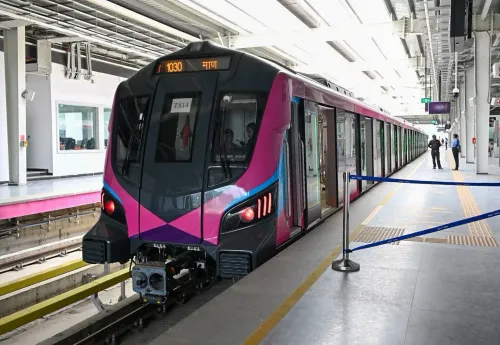
Union Minister Manohar Lal Khattar announced the inauguration of Pune Metro Line-3, a ₹8,300-crore corridor connecting Hinjewadi's IT hub to Shivajinagar, promising faster commutes, reduced road congestion, and a boost to the city's economic productivity.
Key Takeaways
Pune Metro Line-3 has been inaugurated, connecting Hinjewadi IT hub to Shivajinagar .
The corridor was developed at a cost exceeding ₹8,300 crore .
The line is expected to benefit thousands of IT professionals and other daily commuters in Pune.
Key goals include reducing road-traffic congestion, saving commuter time, and boosting city-wide economic productivity.
The project is part of the central government's phased urban rail development programme, sanctioned in the late 2010s.
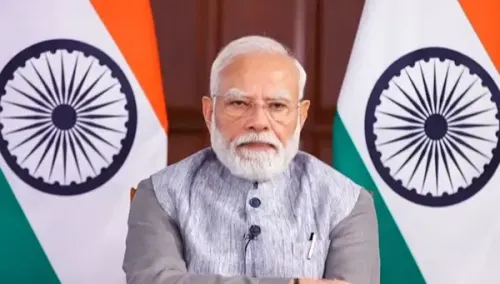
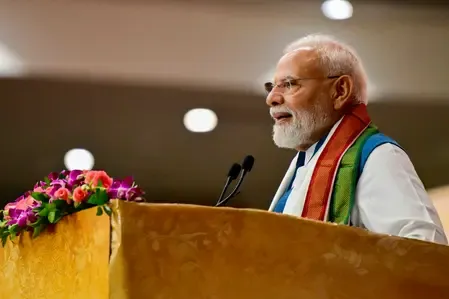
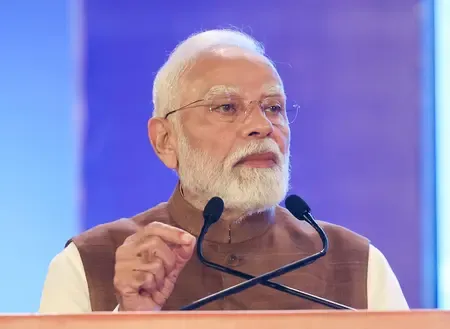
Union Minister Manohar Lal Khattar linked the inauguration to the government's broader 'Ease of Living' agenda under PM Narendra Modi .
A metro corridor priced at over ₹8,300 crore is set to transform the daily commute for thousands of technology workers in Pune — and Union Minister Manohar Lal Khattar marked the moment on Tuesday, November 3, 2026, hailing the inauguration of Pune Metro Line-3 as a landmark step in India's urban infrastructure mission.
Hinjewadi to Shivajinagar: what the new corridor actually does
The new line stitches together two of Pune's most consequential addresses: Hinjewadi, the city's dominant IT and technology employment cluster on its western fringe, and Shivajinagar, the historic commercial and administrative heart. Before this corridor, that journey meant grinding through some of Pune's most congested arterials — a daily ordeal for a workforce that powers a significant share of India's software exports.
Khattar, posting in Hindi, described the project as the realisation of a pledge 'nagrik-kendrit' (citizen-centred) urban transport under Prime Minister Narendra Modi's leadership. The minister argued the line would save commuters' time, ease traffic pressure on city roads, and give 'new momentum to the city's economic productivity' — three outcomes that tend to move in lockstep when a dedicated metro corridor plugs directly into an employment hub of this scale.
The ₹8,300 crore build and its policy lineage
Pune's metro rail project received central government sanction and funding support in the late 2010s as part of a phased push to extend urban rail networks beyond the country's largest metros. Line-3 is the latest phase to cross the finish line. The investment — north of ₹8,300 crore — reflects the scale of engineering required to connect a peripheral IT zone, where land use and road geometry were designed around private vehicles, with the older urban core via a dedicated elevated or underground corridor.
Khattar framed the inauguration within the broader 'Ease of Living' agenda that the central government has positioned as the civilian counterpart to the 'Ease of Doing Business' drive — the idea that quality-of-life metrics for ordinary urban residents deserve the same policy attention as business environment scores.
Why an IT-hub metro corridor is a different kind of infrastructure bet
Most metro lines are built to serve existing dense residential or commercial corridors. The Hinjewadi–Shivajinagar line inverts that logic: it serves a single dominant trip purpose — the white-collar technology commute — at enormous scale. Tens of thousands of IT professionals make that journey daily, and their productivity losses to congestion are, unlike a factory floor delay, invisible but economically real. A reliable, time-bound transit option changes the calculus for employers and employees both, and can reshape where workers choose to live.
The broader pattern is consistent: successive central governments have treated metro connectivity to IT and economic clusters as a multiplier investment, not merely a welfare one. Pune's Line-3 is the latest data point in that argument.
With Pune's remaining metro phases still in the pipeline and similar corridor inaugurations scheduled across India's mid-size cities, the pressure is now on operations — whether Line-3 delivers the ridership and decongestion numbers that justify the bill.
Point of View
The corridor also tests whether metro rail can reshape commuter behaviour in cities designed around private vehicles. For Khattar, as Housing and Urban Affairs Minister, visible project deliveries like this one build the ministerial record ahead of any future political cycle. The real metric to watch is whether actual ridership validates the ₹8,300-crore premise.
NationPress
3 Nov 2026
Frequently Asked Questions
What is Pune Metro Line-3 and where does it run?
Pune Metro Line-3 is a newly inaugurated urban rail corridor developed at a cost exceeding ₹8,300 crore. It connects Hinjewadi, Pune's major IT and technology employment hub, with Shivajinagar, the city's central commercial and administrative area.
How much did Pune Metro Line-3 cost?
The Pune Metro Line-3 corridor was developed at a cost of over ₹8,300 crore, with central government sanction and funding support as part of India's phased urban rail development programme.
Who inaugurated Pune Metro Line-3?
Union Minister Manohar Lal Khattar, who holds the Housing and Urban Affairs portfolio, announced the inauguration of Pune Metro Line-3 on November 3, 2026, attributing the project to PM Narendra Modi's urban infrastructure mission.
What are the benefits of the Hinjewadi to Shivajinagar metro corridor?
The corridor is expected to provide faster and safer commutes for thousands of IT professionals and other travellers, reduce road traffic congestion on Pune's arterial roads, save commuter time, and enhance the city's overall economic productivity.
What is the government's 'Ease of Living' initiative in urban transport?
'Ease of Living' is a central government agenda aimed at improving quality-of-life metrics for urban residents, with metro rail expansion being a key component. It positions citizen-centred infrastructure like metro corridors as direct contributors to daily well-being alongside economic development goals.