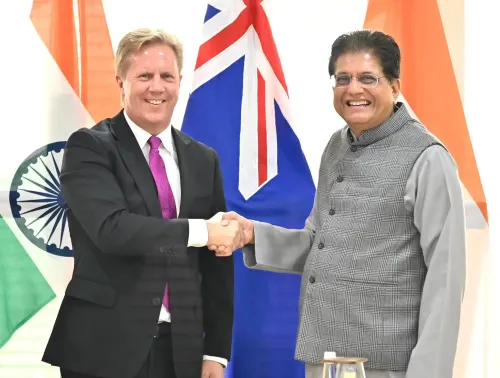
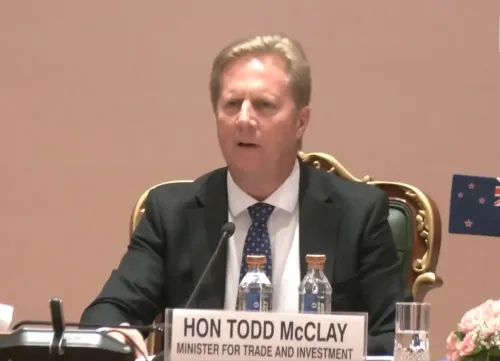
Kishan Reddy backs India-New Zealand FTA for skilled visa, youth mobility
Synopsis
Union Minister G. Kishan Reddy backed the India-New Zealand FTA on 19 October 2026, highlighting skilled visa pathways, working-holiday schemes for Indian youth, and agricultural cooperation as cornerstones of the people-first trade partnership.
Key Takeaways
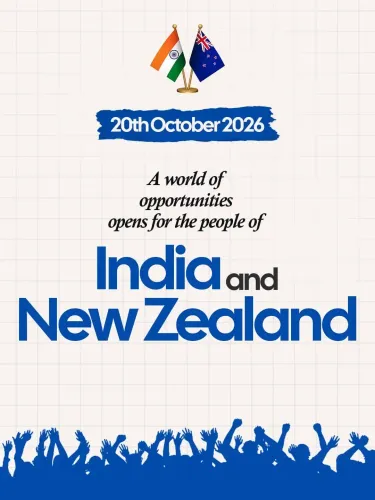
Kishan Reddy publicly endorsed the India-New Zealand FTA on 19 October 2026 , framing it as a people-centric trade deal.
The agreement covers skilled visa pathways, working-holiday opportunities, agricultural cooperation, and investment between the two countries.
Bilateral FTA negotiations were first launched in 2010 before being paused and later revived.
India's 2022 ECTA with Australia — which included similar mobility provisions — serves as the closest precedent for this agreement's structure.
The deal aligns with India's broader Indo-Pacific FTA strategy of combining goods market access with talent and services mobility.
Key next steps include formal signing and parliamentary ratification in both countries, plus rollout timelines for the visa components.
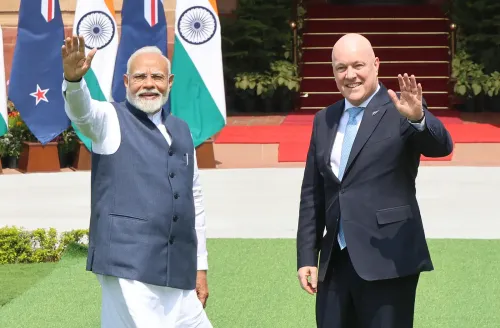
Trade deals are only as good as the doors they open for real people — and Union Coal and Mines Minister G. Kishan Reddy has thrown his weight behind the India-New Zealand Free Trade Agreement, highlighting its potential to unlock skilled visa pathways and working-holiday opportunities for Indian professionals and youth.
What the India-New Zealand FTA puts on the table
Posting on Monday, 19 October 2026, Reddy framed the agreement in terms of people, not just products. 'Trade partnerships deliver greater value when they create opportunities for people,' he wrote, pointing to the FTA's provisions spanning agricultural cooperation, investment flows, skilled visa pathways, and working-holiday schemes — a package designed to connect 'talent, enterprise, and shared prosperity' between the two nations.
The breadth of the deal reflects a template India has been refining across the Indo-Pacific. When New Delhi signed its Economic Cooperation and Trade Agreement with Australia in 2022, it bundled goods market access with temporary mobility for professionals and students. The India-New Zealand FTA follows a similar architecture — goods and services access on one track, human capital movement on another.
A long road to revival: the FTA's negotiating history
This agreement has a winding origin story. Bilateral negotiations were formally launched in 2010, then stalled before being revived as both countries recalibrated their trade strategies. New Zealand, a dairy and agricultural powerhouse, has long sought deeper market access across Asia. India, armed with the world's largest working-age population, has sought reciprocal channels to export talent and services.
The convergence of those interests — Wellington's farm exports against New Delhi's services and skilled-labour exports — forms the economic spine of the deal. Agricultural cooperation provisions are expected to open dialogue on standards, supply chains, and investment in the sector where New Zealand holds global competitive advantage.
India's demographic dividend, going global
Reddy's framing is deliberate and consistent with a wider strategic narrative in New Delhi: India's demographic profile — young, skilled, English-proficient — is itself a negotiating asset. Working-holiday schemes and skilled visa pathways in agreements with developed economies convert that asset into tangible overseas opportunities for Indian youth, easing domestic labour-market pressure while deepening bilateral ties.
The India-Australia ECTA set a precedent that the India-New Zealand FTA now builds on. If visa and mobility components roll out as envisioned, the deal could become a meaningful pipeline for young Indians — engineers, healthcare workers, and hospitality professionals — seeking stints in New Zealand. Eyes now turn to formal signing ceremonies and ratification timelines in both parliaments.
Point of View
Producing a politically saleable 'jobs and opportunities' narrative at home. For a minister whose primary portfolio is domestic mining, the intervention underscores how trade diplomacy has become a cross-cabinet messaging priority within the ruling party. The real test will be whether ratification timelines and visa-quota specifics live up to the framing.
NationPress
19 Oct 2026
Frequently Asked Questions
What is the India-New Zealand FTA about?
The India-New Zealand Free Trade Agreement is a proposed bilateral pact covering goods market access, services, investment, agricultural cooperation, skilled visa pathways, and working-holiday schemes designed to deepen economic and people-to-people ties between the two countries.
What does the India-New Zealand FTA mean for Indian youth?
The agreement is expected to create skilled visa pathways and working-holiday opportunities for Indian professionals and young people in New Zealand, similar to provisions included in India's 2022 trade deal with Australia.
When did India and New Zealand start FTA negotiations?
Bilateral FTA negotiations were formally launched in 2010 but were later paused before revival efforts brought them back to an active track.
What did G. Kishan Reddy say about the India-New Zealand FTA?
On 19 October 2026, Minister Kishan Reddy posted that the FTA expands opportunities for Indian professionals and youth through skilled visa and working-holiday provisions, while also promoting agricultural cooperation and investment.
How does the India-New Zealand FTA compare to the India-Australia trade deal?
Both agreements follow a similar structure — bundling goods and agricultural market access with mobility provisions for skilled workers and students. India's 2022 Economic Cooperation and Trade Agreement with Australia is considered the closest precedent.