Kishan Reddy highlights 12 years of women welfare schemes
Synopsis
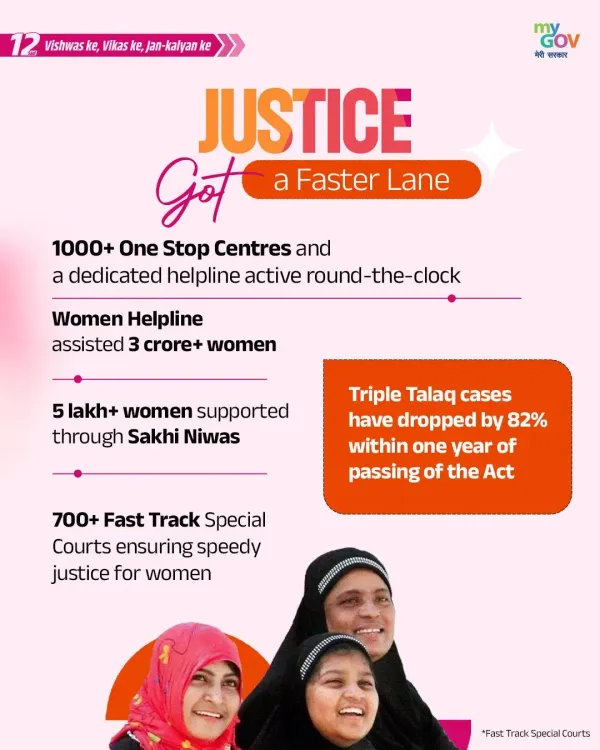
Union Minister G. Kishan Reddy on June 12, 2026 highlighted 12 years of NDA women-welfare measures — One Stop Centres, SHe-Box, Sukanya Samriddhi Yojana, and maternity leave reforms — framing them as foundations of a safer, more empowered India for women.
Key Takeaways
Kishan Reddy posted on June 12, 2026 citing 12 years of central government women-welfare initiatives.
The One Stop Centre scheme, launched in 2015 , provides integrated legal, medical, and counselling support to women facing violence.
The SHe-Box portal, introduced in 2017 , allows women to file workplace sexual harassment complaints online under the 2013 Act .
The Sukanya Samriddhi Yojana , part of Beti Bachao Beti Padhao since 2015 , offers tax-advantaged savings for girl children's education and marriage.
The Maternity Benefit (Amendment) Act, 2017 extended paid maternity leave to 26 weeks as part of women-centric labour reform.
Parliamentary and civil-society scrutiny of scheme utilisation data and the four Labour Codes remains ongoing.
Union Coal and Mines Minister G. Kishan Reddy on Friday, June 12, 2026, highlighted the central government's record on women's welfare, citing schemes ranging from One Stop Centres and the SHe-Box grievance portal to the Sukanya Samriddhi Yojana as evidence of a decade-plus of institutional strengthening for gender equity in India.
Context
In his post, Kishan Reddy wrote that 'over 1,000 One Stop Centres and the SHe-Box grievance redressal platform to women-centric labour reforms and the Sukanya Samriddhi Yojana securing the futures of millions of daughters' have, over the last 12 years, 'strengthened the foundations of a safer, more empowered India for women.' The minister, who also serves as BJP's Telangana state president, framed the remark as a cumulative assessment of NDA governance on the gender-welfare front.
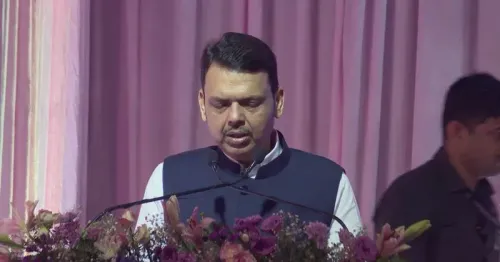
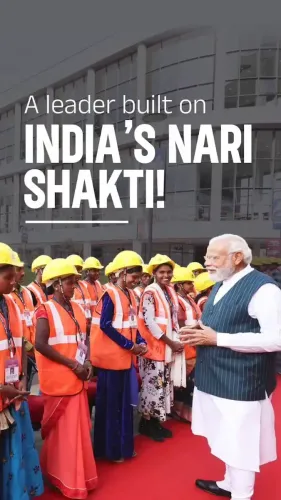
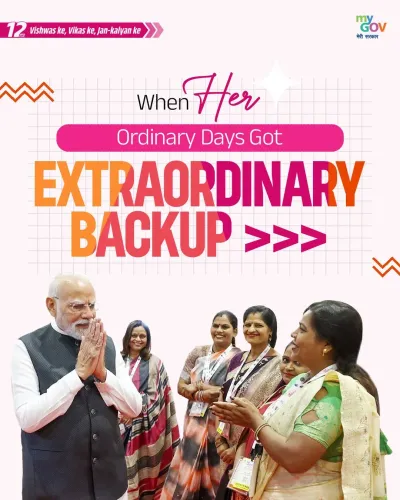
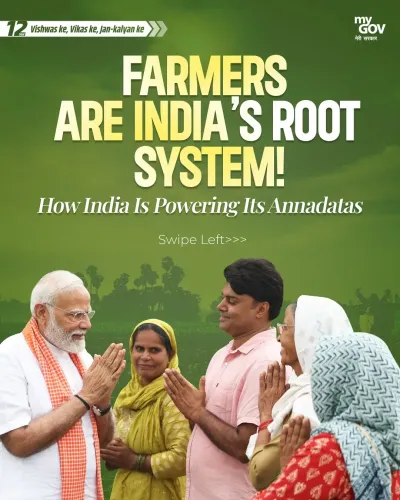
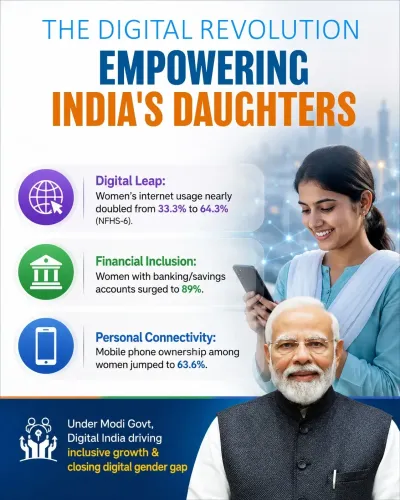
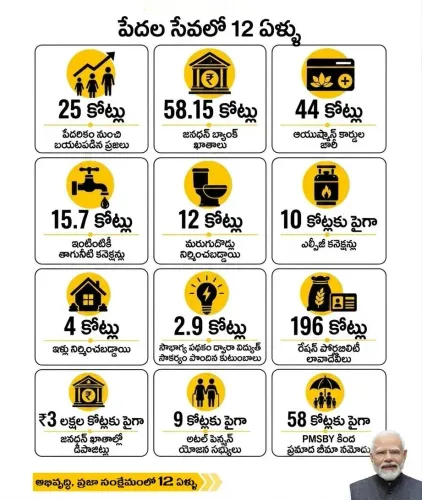
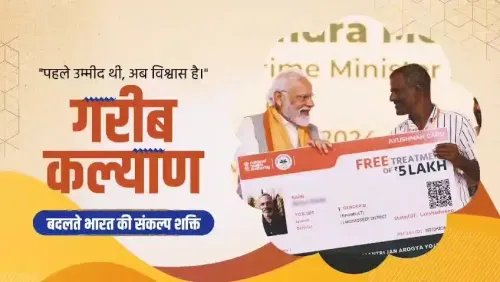
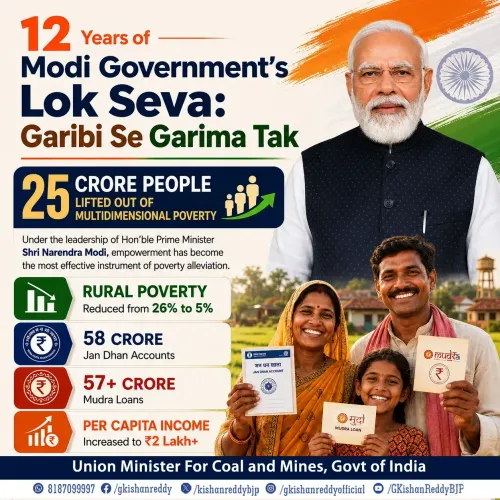
The post accompanied four images, underscoring what appears to be a coordinated communication effort timed to highlight the government's women-centric policy portfolio.
Policy Backdrop
The schemes cited by the minister each have distinct legislative and administrative origins. The One Stop Centre scheme was launched in 2015 to provide integrated support — including legal aid, medical care, and counselling — to women affected by violence in both public and private spaces. The SHe-Box portal, introduced in 2017, offers working women an online mechanism to file complaints of sexual harassment at the workplace under the Sexual Harassment of Women at Workplace Act, 2013.
The Sukanya Samriddhi Yojana, also launched in 2015 as a flagship component of the Beti Bachao Beti Padhao campaign, is a savings instrument offering tax benefits and competitive interest rates designed to cover a girl child's education and marriage expenses. On the labour front, the Maternity Benefit (Amendment) Act, 2017 extended paid maternity leave to 26 weeks, a measure frequently cited in discussions of women-centric labour reform.
Together, these initiatives reflect a policy approach that pairs immediate safety infrastructure with longer-term financial inclusion tools — a dual-track strategy the NDA government has pursued since 2014.
Stakeholders and Impact
The primary beneficiaries of the schemes span a wide demographic: survivors of domestic and public violence accessing One Stop Centres; working women filing workplace harassment complaints through SHe-Box; and families of girl children building financial security through Sukanya Samriddhi Yojana accounts. Each scheme targets a distinct vulnerability, yet together they constitute what the government presents as a comprehensive gender-welfare architecture.
Women's rights advocates and parliamentary committees have periodically called for greater transparency on utilisation data — including complaint resolution rates on SHe-Box and the operational status of One Stop Centres across states — pointing to implementation gaps in some regions as an area requiring continued attention.
What's Next
Scrutiny of the four consolidated Labour Codes — once fully notified and operationalised — will be a key test of how women-specific protections translate into ground-level enforcement. Periodic government reports on One Stop Centre utilisation and SHe-Box complaint resolution rates are expected to provide a more granular picture of outcomes beyond scheme launches. Kishan Reddy's post signals that the BJP intends to foreground this welfare record as a political asset heading into future electoral cycles, particularly in Telangana where he leads the state unit.
Point of View
SHe-Box) and financial empowerment tools (Sukanya Samriddhi Yojana), Kishan Reddy signals a dual-track framing that the BJP has increasingly deployed to counter opposition critiques on gender safety. As BJP's Telangana state president, his amplification of this message carries local electoral significance in a state the party is keen to recapture. The post also previews a likely campaign theme: that welfare delivery, not just rhetoric, is the party's credential on women's issues.
NationPress
26 Sept 2026
Frequently Asked Questions
What is the One Stop Centre scheme in India?
The One Stop Centre scheme, launched in 2015, provides integrated support — including legal aid, medical assistance, and counselling — to women affected by violence in public and private spaces across India.
What is SHe-Box and how does it work?
SHe-Box is an online portal introduced in 2017 that allows women to file complaints of sexual harassment at the workplace under the Sexual Harassment of Women at Workplace Act, 2013, enabling online tracking of complaint status.
What is Sukanya Samriddhi Yojana and who can open an account?
Sukanya Samriddhi Yojana is a government savings scheme launched in 2015 under Beti Bachao Beti Padhao; parents or guardians of a girl child below 10 years can open an account that offers attractive interest rates and tax benefits for education and marriage expenses.
What did the Maternity Benefit Amendment Act 2017 change?
The Maternity Benefit (Amendment) Act, 2017 extended paid maternity leave from 12 weeks to 26 weeks for women working in establishments covered under the Act, making India's maternity leave among the more generous in Asia.
Why is G. Kishan Reddy talking about women welfare schemes?
As Union Minister of Coal and Mines and BJP's Telangana state president, Kishan Reddy posted on June 12, 2026 to highlight 12 years of NDA government welfare initiatives for women, framing them as a record of institutional strengthening ahead of future political cycles.