Kishan Reddy Highlights Raipur-Vizag Economic Corridor
Synopsis
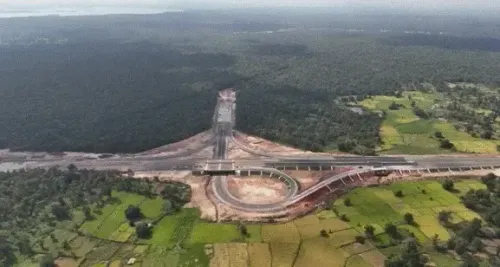
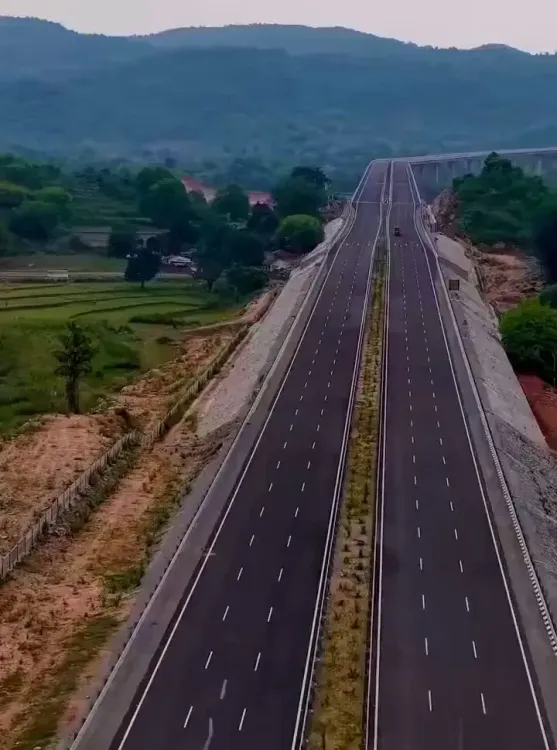
Union Coal and Mines Minister G. Kishan Reddy has spotlighted the 465-km Raipur-Visakhapatnam greenfield highway under Bharatmala Pariyojana, saying the corridor linking Chhattisgarh, Odisha, and Andhra Pradesh will slash travel time from 12 hours to 5 hours, boosting trade and logistics across eastern and coastal India.
Key Takeaways
Kishan Reddy posted on 27 May 2026 highlighting the Raipur-Visakhapatnam Economic Corridor as a national infrastructure milestone.
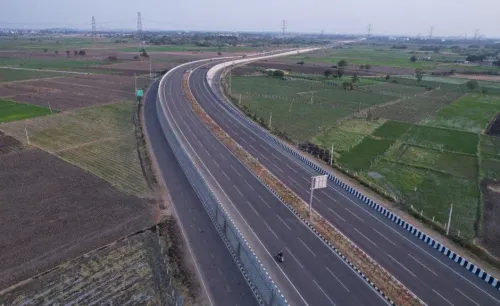
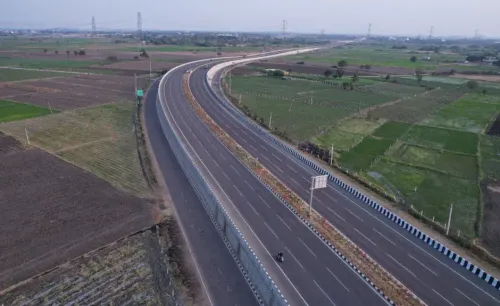
The proposed corridor is a 465-km greenfield highway connecting Chhattisgarh , Odisha , and Andhra Pradesh .
Travel time on the route is projected to fall from 12 hours to 5 hours once the highway is operational.
The project is part of the Bharatmala Pariyojana , the central government's national highway programme approved in 2017 , and is being executed by NHAI .
The corridor is expected to benefit traders, manufacturers, and logistics operators by improving connectivity between inland mineral regions and the port of Visakhapatnam .
Land acquisition, construction milestones, and integration with rail and port infrastructure remain key factors to watch.
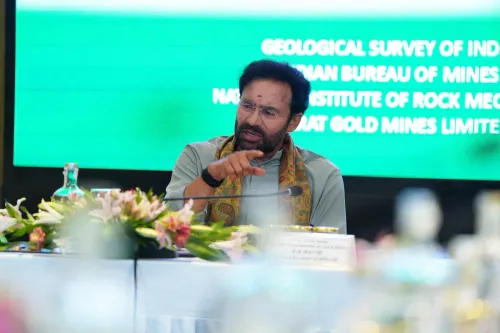
Union Coal and Mines Minister G. Kishan Reddy on Wednesday, 27 May 2026, highlighted the Raipur–Visakhapatnam Economic Corridor as a landmark milestone in India's infrastructure growth, crediting the project's momentum to Prime Minister Narendra Modi's vision. The minister stated that the 465-kilometre greenfield highway linking Chhattisgarh, Odisha, and Andhra Pradesh will cut travel time from 12 hours to just 5 hours.
Context
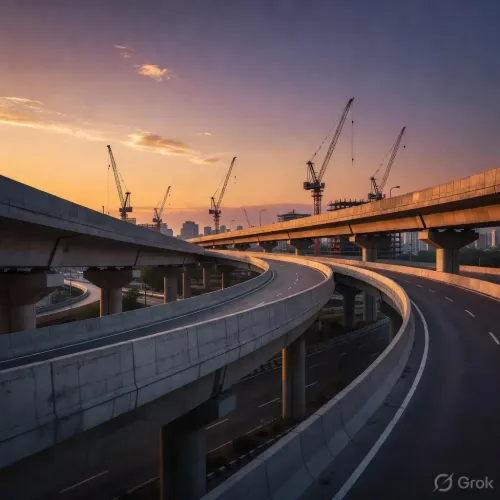
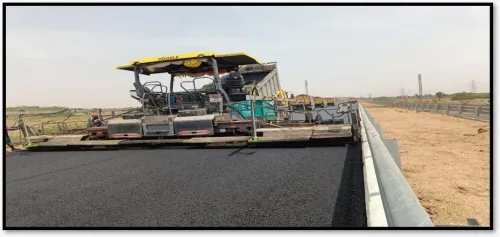
Posting in Telugu on X and tagging @NHAI_Official, Kishan Reddy described the corridor as a project that is shaping up with modern bridges and wide roads — 'ఆధునిక వంతెనలు, భారీ రహదారులతో రూపుదిద్దుకుంటున్న' ('taking shape with modern bridges and large roads'). He said the project would give fresh impetus to trade, industry, and the transport sector. The minister characterised infrastructure development under the current government as moving ahead 'at an unprecedented pace.'
The post comes as central and state governments across eastern and coastal India have been actively publicising large-scale road and connectivity projects. Kishan Reddy, who also serves as BJP Telangana state president, has a direct political stake in the project's visibility given that the corridor terminates at Visakhapatnam in Andhra Pradesh, a region closely watched by Telugu-speaking voters.
Policy Backdrop
The Raipur–Visakhapatnam Economic Corridor is part of the Bharatmala Pariyojana, the central government's flagship national highway programme approved in 2017. Bharatmala was designed to build economic corridors, inter-corridors, and ring roads to reduce logistics costs and integrate mineral-rich inland states with coastal ports and manufacturing zones.
The National Highways Authority of India (NHAI) is the executing agency for such greenfield expressway projects. India's policy shift over the past decade has moved away from incremental upgrades of existing roads toward access-controlled, multi-lane greenfield alignments that prioritise freight efficiency and travel-time reduction. The three states connected by this corridor — Chhattisgarh, Odisha, and Andhra Pradesh — are significant for coal, iron ore, steel, and port-linked trade flows.
Stakeholders and Impact
Traders, manufacturers, and logistics operators across the three states stand to benefit most directly if the corridor is completed as described. Reduced travel time from 12 hours to 5 hours on this route would lower freight costs and improve supply-chain efficiency for industries moving raw materials from inland Chhattisgarh and Odisha to the port of Visakhapatnam.
For Andhra Pradesh, the corridor strengthens Visakhapatnam's position as a logistics and industrial hub. For Chhattisgarh and Odisha, better road connectivity to a major port can attract investment in processing and manufacturing industries that currently face high logistics overheads. Local communities along the 465-km alignment will also see changes in land use, employment, and access to markets.
What's Next
Attention will now turn to construction milestones, the status of land acquisition across three states, and how the corridor integrates with existing and planned rail and port infrastructure in the region. Progress on such greenfield projects often depends on resolving land acquisition disputes and securing environmental clearances across multiple state jurisdictions.
With the project tagged to NHAI in the minister's post, official updates on timelines and completion targets are expected to follow through the authority's channels. The corridor's progress will be a key metric for the government's infrastructure delivery record heading into future electoral cycles in Andhra Pradesh and Telangana.
Point of View
Which the government has consistently used to frame its economic governance credentials. By emphasising the travel-time reduction from 12 hours to 5 hours, the minister translates a large engineering project into a voter-legible benefit. The post's timing, well ahead of any confirmed completion date, suggests the government is keen to build public awareness and political ownership of the project while it is still under construction.
NationPress
11 Oct 2026
Frequently Asked Questions
What is the Raipur-Visakhapatnam Economic Corridor?
The Raipur-Visakhapatnam Economic Corridor is a proposed 465-km greenfield highway that will connect Chhattisgarh, Odisha, and Andhra Pradesh, linking inland mineral regions with the port city of Visakhapatnam. It is being developed by NHAI under the Bharatmala Pariyojana.
How much will travel time reduce on the Raipur-Visakhapatnam highway?
According to Union Minister G. Kishan Reddy, the corridor will reduce travel time from 12 hours to 5 hours between Raipur and Visakhapatnam once the greenfield highway is operational.
Which states does the Raipur-Vizag corridor pass through?
The 465-km corridor passes through three states: Chhattisgarh, Odisha, and Andhra Pradesh.
What is Bharatmala Pariyojana?
Bharatmala Pariyojana is the central government's flagship national highway development programme, approved in 2017, aimed at building economic corridors, expressways, and ring roads to reduce logistics costs and improve connectivity across India.
Who is G. Kishan Reddy?
G. Kishan Reddy is the Union Minister of Coal and Mines in the Government of India and also serves as the BJP's Telangana state president. He represents the Secunderabad constituency and is a senior leader of the Bharatiya Janata Party.