Kishan Reddy Meets Meghalaya CM Conrad Sangma on Coal, Mining
Synopsis
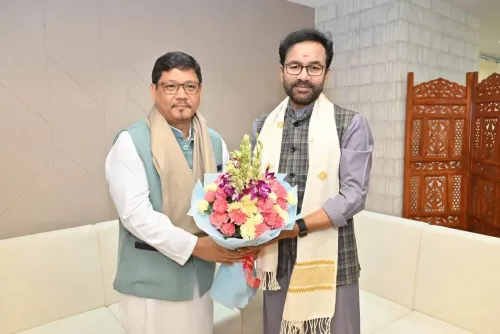
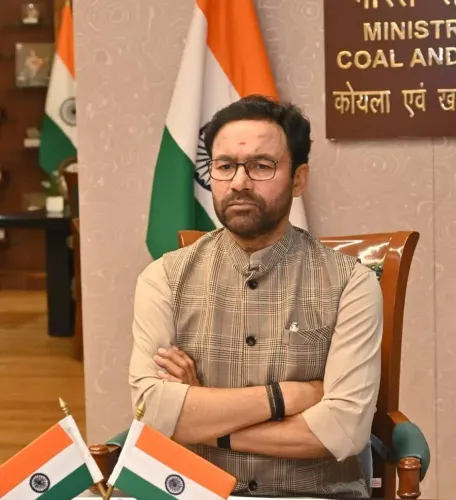
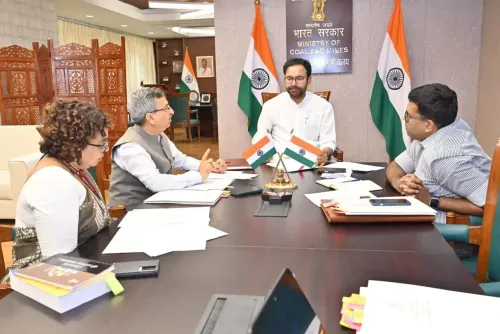
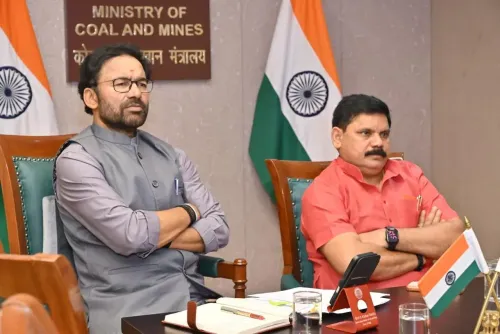
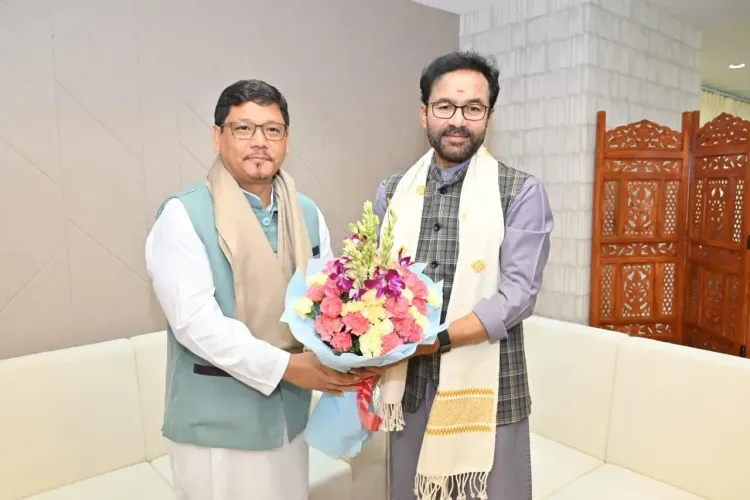
Union Coal and Mines Minister G. Kishan Reddy met Meghalaya Chief Minister Conrad Sangma in New Delhi on July 7, 2026, to discuss coal and mining development in the northeastern state and ways to deepen Centre-State cooperation for sustainable growth.
Key Takeaways
Kishan Reddy and Meghalaya CM Conrad Sangma met in New Delhi on July 7, 2026 to discuss coal and mining matters.
Discussions covered how the coal and mining sectors can contribute to Meghalaya's development and sustainable growth.
Both leaders exchanged views on strengthening Centre-State cooperation in resource governance.
Meghalaya holds significant coal reserves and has been navigating a transition away from rat-hole mining following NGT orders from 2014 .
The Mines and Minerals Amendment Act, 2021 and the National Mineral Policy 2019 form the current policy framework governing such discussions.
No specific commitments or outcomes were announced publicly following the meeting.
Union Coal and Mines Minister G. Kishan Reddy met Meghalaya Chief Minister Conrad Sangma in New Delhi on Tuesday, July 7, 2026, for discussions on coal and mining development in the northeastern state and on strengthening Centre-State cooperation for sustainable growth.
Context
The meeting, confirmed by Kishan Reddy on X, centred on how the coal and mining sectors can contribute to Meghalaya's overall development. The two leaders also exchanged views on deepening institutional ties between the central government and the state administration. Meghalaya holds significant coal reserves and has long been at the centre of debates over regulated versus informal extraction.
Policy Backdrop
The state's mining landscape was fundamentally altered when the National Green Tribunal (NGT) issued orders from 2014 onward banning rat-hole mining — a localised technique widely practised in Meghalaya — citing severe environmental and safety hazards. Subsequent central and state efforts have focused on transitioning toward regulated, scientifically managed operations. The Mines and Minerals (Development and Regulation) Amendment Act, 2021, introduced faster clearances and greater private-sector participation, while the National Mineral Policy 2019 stressed scientific mining and stronger Centre-State coordination for mineral-rich regions.
The Ministry of Coal has in recent years pursued block auctions and sustainable mining frameworks as part of a broader push to align coal output with national energy security goals without compromising environmental safeguards.
Stakeholders and Impact
Conrad Sangma, who leads the National People's Party and represents state interests in resource governance, has consistently advocated for a framework that delivers economic benefits to coal-dependent communities in Meghalaya while meeting central regulatory standards. Thousands of households in the state's coal-bearing districts — particularly in East Jaintia Hills and South Garo Hills — depend on mining-linked livelihoods. Any revision to lease frameworks or extraction norms would directly affect these communities as well as state revenues.
The meeting also fits a broader pattern of central outreach to northeastern states aimed at aligning mineral development with national energy priorities. Successive administrations have sought to balance increased output with environmental safeguards and local economic uplift in resource-rich regions.
What's Next
No joint statement or specific commitment was announced following the meeting, and the full scope of the discussions remains to be made public. Observers will watch for any follow-up action on revised mining lease frameworks, fresh block auction announcements for Meghalaya, or legislative movement on northeastern mineral policy in the coming parliamentary session. The meeting signals continued federal engagement with the state at a senior ministerial level as India pushes to expand domestic coal and mineral output.
Point of View
Making high-level ministerial engagement essential for any forward movement on fresh leases or auction blocks. For the National People's Party government in Shillong, visible engagement with the Union Ministry is also politically useful, demonstrating active pursuit of state economic interests. The meeting reflects a wider federal pattern: the Centre using bilateral outreach to build consensus with state governments before pushing through mineral policy changes that require state-level implementation.
NationPress
7 Jul 2026
Frequently Asked Questions
Why did G. Kishan Reddy meet Conrad Sangma in New Delhi?
Union Coal and Mines Minister G. Kishan Reddy met Meghalaya Chief Minister Conrad Sangma on July 7, 2026, to discuss coal and mining sector development in Meghalaya and to exchange views on strengthening Centre-State cooperation for sustainable growth.
What is the status of coal mining in Meghalaya?
Meghalaya holds significant coal reserves but its mining sector has been under regulatory scrutiny since the National Green Tribunal banned rat-hole mining from 2014 onward due to environmental and safety concerns. The state and Centre have since worked toward transitioning to regulated, scientifically managed extraction.
What is rat-hole mining and why was it banned in Meghalaya?
Rat-hole mining is a localised technique where narrow tunnels are dug into hillsides to extract coal seams. The NGT banned it in Meghalaya from 2014 citing severe environmental damage, safety hazards to miners, and water pollution in the region.
What laws govern coal and mining discussions between the Centre and states like Meghalaya?
The key frameworks include the Mines and Minerals (Development and Regulation) Amendment Act, 2021, which allows faster clearances and private participation, and the National Mineral Policy 2019, which emphasises scientific mining and Centre-State coordination for mineral-rich regions.
Who is Conrad Sangma?
Conrad Sangma is the Chief Minister of Meghalaya and the leader of the National People's Party (NPP). He represents the state's interests in resource governance and has been a key interlocutor on mining policy between Meghalaya and the central government.