Kishan Reddy highlights coal sector transparency under Modi govt
Synopsis
Union Coal and Mines Minister G. Kishan Reddy credited PM Modi's leadership for transforming India's coal sector through competitive block auctions, digital monitoring, and streamlined clearances — reforms rooted in the Supreme Court's 2014 cancellation of 204 coal block allocations.
Key Takeaways
Union Coal and Mines Minister G.
Kishan Reddy credited PM Narendra Modi with bringing transparency and governance reforms to India's coal and mining sectors.
The Supreme Court cancelled 204 coal block allocations in 2014 , triggering a full overhaul of the allocation system.
The Coal Mines (Special Provisions) Act, 2015 established a legal framework for competitive e-auctions of coal blocks.
In 2020 , commercial coal mining was opened to private players for the first time under the new auction regime.
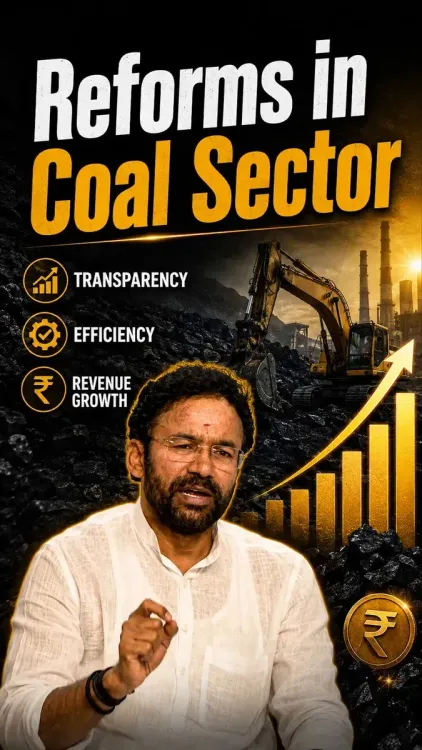
Reforms include online environmental clearance portals and digital monitoring tools at mine sites to reduce discretionary decision-making.
Further coal and mineral block auction tranches and potential amendments to the Mines and Minerals (Development and Regulation) Act are being watched as the next test of the reform agenda.
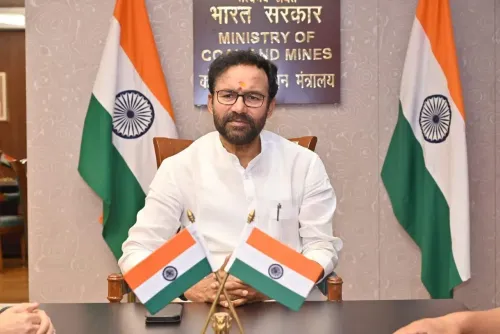
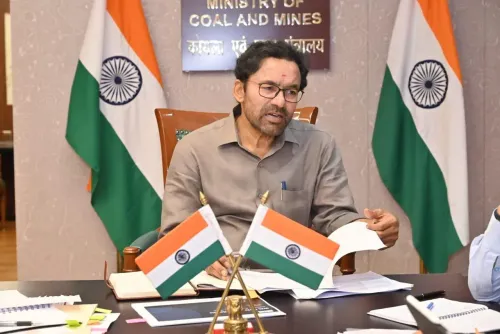
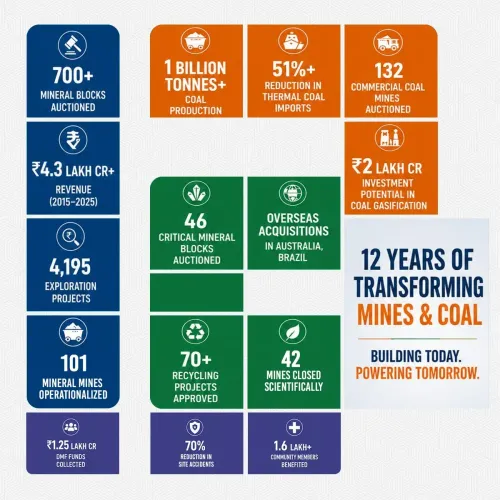
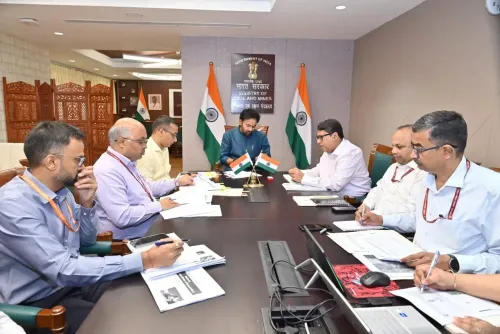
A decade of structural overhaul in India's coal sector got a fresh spotlight on Friday, August 14, 2026, as Union Coal and Mines Minister G. Kishan Reddy credited Prime Minister Narendra Modi's leadership for ushering in what he called 'a new era of transparency and governance' — anchored by open auctions, streamlined environmental approvals, and advanced technology integration across the mining chain.
From scandal to auction: how coal allocation was rebuilt
The story begins in 2014, when the Supreme Court of India cancelled 204 coal block allocations, ruling that the earlier system of administrative allotments was arbitrary and opaque. The verdict sent shockwaves through the sector and forced a fundamental rethink of how India distributes one of its most consequential natural resources.
Parliament responded with the Coal Mines (Special Provisions) Act, 2015, which created a legal architecture for competitive e-auctions of coal blocks — replacing discretionary bureaucratic decisions with a transparent, rules-based bidding process. The reform was designed to ensure that allocation outcomes could withstand public and judicial scrutiny.
Commercial mining opened, private players enter the picture
The next landmark came in 2020, when the government opened commercial coal mining to private companies for the first time, launching the first tranche of auctions under the new regime. The move was framed as both an anti-corruption measure and an economic one — boosting domestic output to reduce India's dependence on imported coal while improving revenue flows to state governments, which receive royalties from block operations.
Parallel to the auction reforms, the Ministry of Coal has pushed faster environmental clearances through online portals and deployed digital monitoring tools at mine sites — the 'advanced technology' Reddy referenced in his post. These changes collectively aim to close the gaps where discretion, and therefore corruption risk, once lived.
What Reddy's post signals ahead of upcoming auction tranches
Reddy's statement lands as the government prepares for further rounds of coal and mineral block auctions and as Parliament continues to deliberate on possible amendments to the Mines and Minerals (Development and Regulation) Act. Framing the reform arc as a Modi-era achievement on the eve of Independence Day is a deliberate political signal — one that ties governance credibility to the ruling party's decade in power.
The proof, as always, will be in the auction results: how many blocks are successfully bid upon, at what revenue to states, and whether environmental approvals keep pace without cutting corners. India's energy security and its anti-corruption credentials in natural resource governance are both on the line.
Point of View
And the 2020 commercial mining opening was a significant liberalisation. However, the political packaging of ongoing, incremental policy work as a completed 'new era' invites scrutiny of actual auction outcomes, state revenue realisation, and whether environmental clearance speed has come at any cost to rigour — questions that upcoming auction tranches will begin to answer.
NationPress
29 Sept 2026
Frequently Asked Questions
What coal reforms has the Modi government introduced?
The Modi government replaced administrative coal block allocations with competitive e-auctions under the Coal Mines (Special Provisions) Act, 2015, opened commercial coal mining to private players in 2020, and introduced online environmental clearance portals and digital mine monitoring tools.
Why were coal block allocations cancelled by the Supreme Court?
The Supreme Court of India cancelled 204 coal block allocations in 2014 , ruling that the earlier system of administrative allotments was arbitrary, opaque, and violated principles of fair allocation.
What is the Coal Mines (Special Provisions) Act, 2015?
It is a law passed by Parliament to create a legal framework for the competitive, transparent e-auction of coal blocks in India, replacing the discretionary system struck down by the Supreme Court.
Who is G. Kishan Reddy?
G. Kishan Reddy is the Union Minister of Coal and Mines in the Government of India and serves as the BJP's Telangana state president. He is responsible for implementing coal and mining sector policy.
What is next for India's coal auction reforms?
Upcoming tranches of coal and mineral block auctions are expected, and Parliament is watching potential amendments to the Mines and Minerals (Development and Regulation) Act that could further reshape the sector's regulatory framework.