Jharkhand's Lathipahar gets first road in 75 years under PM JANMAN Yojana
Synopsis
Seventy-five years after Independence, Lathipahar — a tribal village in Jharkhand whose residents once resisted British rule — finally has a road. A 2.40-km stretch built under PM JANMAN Yojana at ₹1.98 crore ends decades of isolation, where patients were carried on cots for 12 km and children walked mountain paths to reach school.
Key Takeaways
Lathipahar in Jharkhand's Dumka district received its first road connectivity since Independence, ending 75 years of isolation.
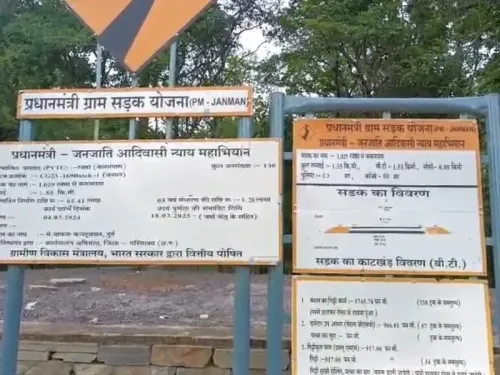
A 2.40-kilometre road from Baska to Lathipahar was built at a cost of approximately ₹1.98 crore under the Pradhan Mantri JANMAN Yojana .
Construction was approved in 2025 and involved cutting through hilly terrain.
Previously, children walked 12 km on mountain paths to attend school, and patients were carried on cots to reach hospitals.
PM JANMAN Yojana targets Particularly Vulnerable Tribal Groups (PVTGs) , providing housing, water, education, health, road and telecom connectivity, and livelihood support.
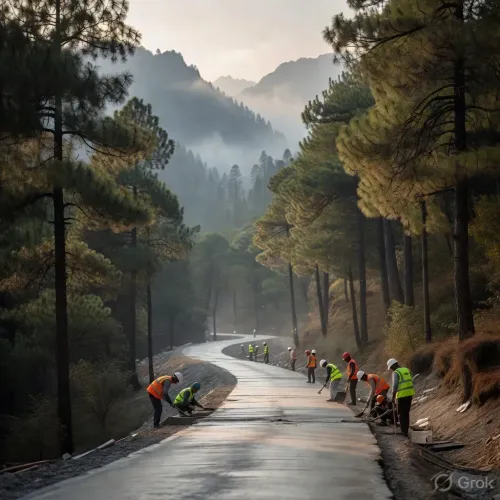
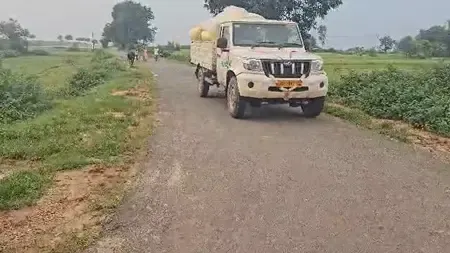
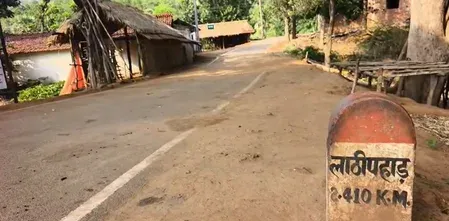
Lathipahar, a remote tribal settlement nestled in the forested hills of Jharkhand's Dumka district, has received road connectivity for the first time since India's Independence — a milestone achieved under the Pradhan Mantri JANMAN Yojana. A 2.40-kilometre road linking Baska to Lathipahar was constructed at a cost of approximately ₹1.98 crore, cutting through difficult hilly terrain to bring the village into the development mainstream.
Seven Decades of Isolation
For 75 years after Independence, Lathipahar remained cut off from the nearest city headquarters, surrounded by dense forest and high hills. Villagers had no road, no reliable electricity, and no convenient access to essential services. Children who completed primary schooling were forced to walk nearly 12 kilometres along mountain tracks to reach higher educational institutions. Employment prospects were scarce, and farmers struggled to transport agricultural produce to markets.
The situation was especially dire for women and critically ill patients. Medical emergencies required patients to be carried on cots for 12 km on foot, as neither ambulances nor any motorised vehicle could access the village. Pregnant women faced acute risk during transit to hospitals. These conditions persisted for generations, even as the rest of the country modernised.
A Village with a Freedom-Struggle Legacy
Lathipahar's isolation stands in stark contrast to its historical significance. Residents of this village reportedly played a pivotal role in the Quit India Movement of 1942, actively resisting British rule. Yet, in the decades that followed Independence, the village remained without the basic infrastructure that most of India gradually received.
Road Built by Cutting Through Hills
The construction of the Baska-to-Lathipahar road was approved in 2025 under the Pradhan Mantri JANMAN Yojana. Assistant Engineer Sudhanshu Kumar noted that the hilly terrain posed significant challenges during construction, but the road was completed by overcoming all obstacles. Executive Engineer Sushil Kumar Sinha said the new road would provide villagers with better connectivity and open fresh avenues for development.
Village headman Lagan Grihi said that before the road, commuting was a constant hardship, but connectivity has now made children's education easier and travel more convenient for all residents. Local villager Vishnu Grihi described the road as a major achievement, noting that transporting patients to hospitals — once an ordeal — is now far less difficult.
What PM JANMAN Yojana Aims to Achieve
The Pradhan Mantri JANMAN Yojana is a central government scheme specifically designed to improve the socio-economic conditions of Particularly Vulnerable Tribal Groups (PVTGs). The scheme provides basic facilities including safe housing, clean drinking water, improved access to education, health and nutrition services, road and telecom connectivity, electrification of un-electrified households, and sustainable livelihood opportunities. Lathipahar's road is one of several infrastructure interventions being rolled out under this framework across tribal regions of India.
With road access now in place, Lathipahar's residents look ahead to further development — from electricity and healthcare to education and economic opportunity — that the rest of the country has long taken for granted.
Point of View
But a 2.40-km road at ₹1.98 crore is a beginning, not a finish line. The deeper question is whether this connectivity will be followed by sustained investment in healthcare, education, and livelihoods — or whether Lathipahar will be photographed at inauguration and forgotten thereafter, as has happened with many tribal infrastructure projects before it.
NationPress
15 Sept 2026
Frequently Asked Questions
What is PM JANMAN Yojana and who does it benefit?
The Pradhan Mantri JANMAN Yojana is a central government scheme aimed at improving the socio-economic conditions of Particularly Vulnerable Tribal Groups (PVTGs). It provides basic facilities including housing, clean drinking water, road and telecom connectivity, electrification, health services, and sustainable livelihood opportunities.
Where is Lathipahar and why was it isolated?
Lathipahar is a remote tribal village in Jharkhand's Dumka district, surrounded by dense forest and high hills. The difficult terrain meant no road could reach it, leaving residents without access to schools, hospitals, or markets for 75 years after Independence.
What road was built and at what cost?
A 2.40-kilometre road from Baska to Lathipahar was constructed at a cost of approximately ₹1.98 crore. The project was approved in 2025 under the Pradhan Mantri JANMAN Yojana and required cutting through hilly terrain.
How did the lack of road connectivity affect villagers?
Children had to walk nearly 12 km along mountain paths to attend school beyond the primary level. Critically ill patients and pregnant women were carried on cots for 12 km to reach hospitals, as no vehicles could access the village. Farmers also struggled to transport produce to markets.
What is the historical significance of Lathipahar?
Residents of Lathipahar reportedly played an active role in the Quit India Movement of 1942, resisting British rule. Despite this freedom-struggle legacy, the village remained without basic infrastructure for decades after Independence.