Ludhiana bicycle industry hit by power cuts, units may shift states
Synopsis
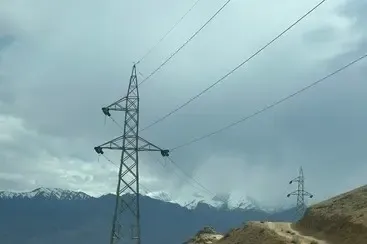
Ludhiana — India's bicycle capital — is sounding an industrial alarm. Prolonged power cuts are forcing manufacturers onto expensive generators, and at least one prominent industry voice has warned that units could begin relocating to other states if Punjab's power authorities don't act. The stakes for the state's industrial economy are real.
Key Takeaways
Ludhiana's bicycle industry has been hit by prolonged power cuts for several days as of 13 September 2026 .
Industrialist Avtar Singh Bhoghal says units are running on generators, significantly raising the cost of production .
Workers and labourers are also affected, with disruptions impacting the regular functioning of the labour force.
Bhoghal warned that if the situation continues, manufacturers may be forced to shift their units to other states .
The outages are part of broader electricity shortfalls reported across different parts of Punjab .
Punjab's government has yet to publicly respond to the industry's concerns.
Ludhiana's bicycle industry is under mounting pressure from prolonged power cuts, with manufacturers in Punjab's industrial hub warning on 13 September that repeated electricity disruptions are inflating production costs and threatening to drive businesses out of the state. The outages have forced industrial units to run on diesel generators, significantly eroding margins in a sector already navigating tight competition.
Scale of the Disruption
Industrialist Avtar Singh Bhoghal, associated with the bicycle manufacturing sector, said the industry has been grappling with electricity-related problems for several days running. He described frequent and lengthy interruptions that have disrupted the normal functioning of production lines and made it difficult for units to operate smoothly.
'Even today, our labour is being affected because the electricity is off. We are getting the work completed through generators, but the cost of production is much higher,' Bhoghal said.
He noted that the problem extends beyond machinery — the disruptions are also affecting the regular working patterns of the labour force, further denting productivity.
Rising Costs and the Generator Burden
While generators provide a stopgap, Bhoghal underlined that switching to backup power is not a neutral option. The fuel and maintenance costs associated with prolonged generator use are squeezing operating budgets, making every unit produced during an outage more expensive than it would otherwise be. For an industry built on volume and price competitiveness, that margin compression is particularly damaging.
This comes amid wider complaints of electricity shortfalls across different parts of Punjab, suggesting that Ludhiana's industrial sector is not alone in bearing the brunt of supply constraints.
Warning: Industries May Relocate
Bhoghal issued a pointed warning to authorities: if the power situation does not improve, manufacturers may have no choice but to explore relocating their units to states with more reliable electricity supply. 'If the situation remains like this, we will be forced to prepare for shifting our industry to another state,' he said.
Notably, Ludhiana is widely regarded as the bicycle capital of India, accounting for the bulk of the country's bicycle production. Any significant relocation of units would represent a structural blow to Punjab's industrial economy and to the livelihoods of the thousands of workers employed in the sector.
What the Industry Needs
Bhoghal called on authorities to urgently address the electricity-related problems facing industrial units so that production disruptions do not become the norm. He cautioned that rising operational costs — driven by dependence on generators — could leave manufacturers with shrinking options, with relocation becoming an increasingly serious consideration if the grid situation persists.
The state government has yet to respond publicly to the industry's concerns. All eyes are now on whether Punjab's power authorities will intervene with a credible timeline for improving industrial supply reliability.
Point of View
And generator-dependent production is not a long-term business model for a price-sensitive sector. The deeper concern is structural: if Punjab cannot guarantee reliable industrial power during peak production months, it is effectively taxing its own manufacturers through fuel costs while rival states with better infrastructure quietly improve their pitch. The onus is squarely on the state's power department to respond with specifics, not reassurances.
NationPress
13 Sept 2026
Frequently Asked Questions
Why is Ludhiana's bicycle industry facing difficulties?
The bicycle industry in Ludhiana is facing prolonged and frequent power cuts that are disrupting production lines and forcing units to operate on diesel generators. This is significantly increasing the cost of production and affecting worker productivity.
Who is speaking on behalf of the bicycle industry?
Industrialist Avtar Singh Bhoghal, who is associated with the bicycle manufacturing sector in Ludhiana, has been the primary voice raising concerns. He has directly warned authorities that manufacturers may shift units out of Punjab if the situation does not improve.
Why can't manufacturers simply continue using generators?
While generators allow production to continue during outages, the fuel and maintenance costs involved make every unit significantly more expensive to produce. For a volume-driven, price-sensitive sector like bicycle manufacturing, sustained generator dependence is not financially viable.
Could industries actually shift out of Punjab?
Bhoghal has explicitly warned that if the power situation persists, industrialists will be 'forced to prepare for shifting' to other states. While such relocations take time, the threat reflects genuine concern about competitiveness and cost escalation.
Is the power problem limited to Ludhiana's bicycle sector?
No. Electricity shortfalls have reportedly been recorded across different parts of Punjab, suggesting a broader supply constraint. Ludhiana's industrial belt is, however, particularly vulnerable given its density of manufacturing units with high power demand.