BRICS Summit 2026: Mayawati backs stronger ties, BRICS currency and Palestine stand
Synopsis
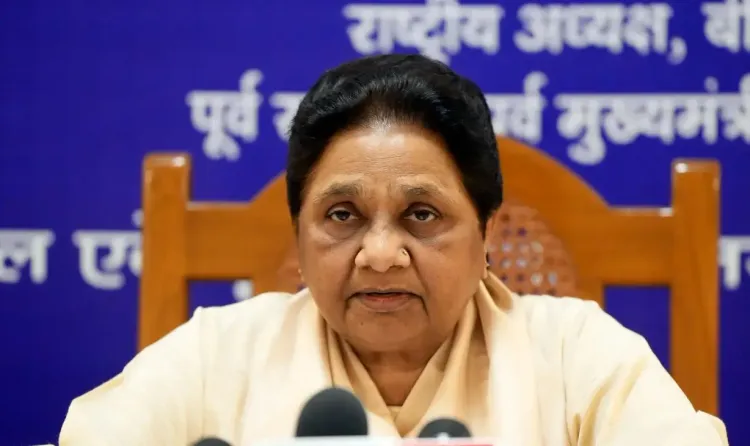
At a Lucknow press conference timed to the 18th BRICS Summit in New Delhi, BSP chief Mayawati broke from her usual domestic playbook — backing a BRICS currency, endorsing united support for Palestinian statehood on 1967 borders, and calling out India's Pahalgam terror stand as deserving BRICS solidarity. Her cautious-but-watchful line on India-China ties is the detail worth tracking.
Key Takeaways
BSP chief Mayawati held a press conference in Lucknow on 13 September 2026 to present the party's response to the 18th BRICS Summit in New Delhi .
Mayawati backed stronger BRICS cooperation, calling it a 'hope-filled step' amid global conflicts in Ukraine and Iran .
She endorsed the development of a BRICS currency as an important step toward deeper financial cooperation.
The BSP chief welcomed BRICS support for a two-state solution and an independent Palestine based on 1967 borders .
Mayawati said BRICS backing for India's position on the Pahalgam terror attack had received appropriate support.
On India-China ties, she called for an early resolution of the border dispute and said outcomes of the current diplomatic approach would need 'proper evaluation.'
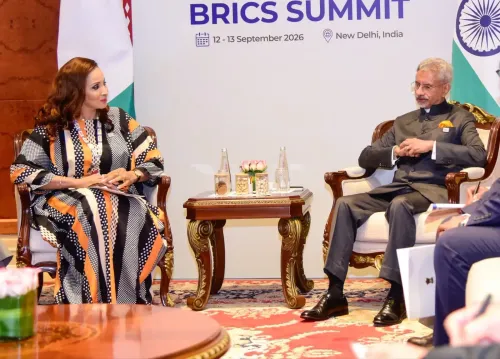
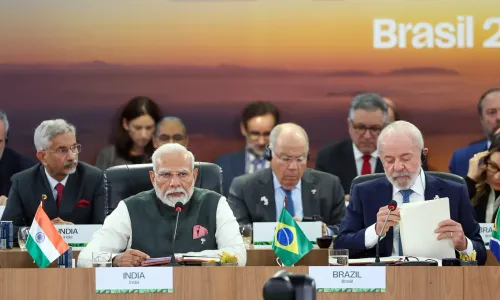
Bahujan Samaj Party (BSP) chief Mayawati on Sunday, 13 September expressed support for deeper cooperation among BRICS member nations, saying a stronger bond within the grouping could offer a 'hope-filled' path forward amid escalating global conflicts and mounting economic pressures. Her remarks came as BRICS leaders convened in New Delhi for the 18th BRICS Summit.
Why Mayawati Called the Press Conference
Addressing reporters in Lucknow, the BSP chief said the press conference had been called to present the party's response to the BRICS Summit, raise concerns over Panchayati Department employees staging protests in Lucknow, and outline measures to strengthen the party's organisational reach at the grassroots level — particularly to expand its base among the Bahujan community. 'These are the three key issues for which the meeting has been called,' she said.
On Global Conflicts and the BRICS Role
Mayawati noted that the wars in Ukraine and Iran had compounded the challenges facing member nations, including tariff-related and broader economic difficulties. She argued that closer ties among BRICS members could provide a constructive direction amid this uncertain global climate. 'A stronger bond among BRICS nations will also be a hope-filled step,' she said, adding that the development of a BRICS currency would represent a significant step in deepening financial cooperation among member countries.
Palestine, Terrorism and India's Position
The BSP chief welcomed what she described as united BRICS support for a two-state solution and an independent Palestine based on the 1967 borders. She also highlighted the grouping's stated commitment to combating terrorism, noting that BRICS backing for India's position in the context of the Pahalgam terror attack had received appropriate support. Notably, the Pahalgam attack has remained a flashpoint in India's regional security discussions, and Mayawati's framing of BRICS solidarity on this issue reflects the BSP's intent to engage with foreign policy debates ahead of anticipated electoral cycles.
India-China Relations: A Wait-and-Watch Approach
On the sensitive question of India-China bilateral ties, Mayawati adopted a measured stance, saying the approach of ensuring that differences do not turn into disputes would 'have to be evaluated based on the results it produces.' She urged an early resolution of the border dispute between the two countries. 'It will be equally appropriate if the border issue between both countries is also resolved among themselves as early as possible,' she said. This comes amid a broader diplomatic reset between New Delhi and Beijing, with both sides reiterating the importance of treating each other as 'partners in development.'
BSP's Broader Political Context
Mayawati's decision to hold a press conference pegged to the BRICS Summit signals the party's effort to remain relevant on national and international policy questions. The BSP has historically focused on social justice issues, but this intervention into geopolitics and multilateral diplomacy underlines the party's attempt to widen its political footprint. How the party translates this positioning into grassroots mobilisation — particularly in Uttar Pradesh — will be watched closely in the months ahead.
Point of View
Trade imbalances, and the dollar's entrenched global role — that make such a currency a distant prospect. More substantively, her 'wait-and-watch' framing on India-China ties mirrors the government's own hedged language, which raises the question of whether the BSP is offering a genuine policy critique or simply seeking visibility on a high-profile summit. The Pahalgam reference, however, is pointed — it signals that the BSP intends to compete on national security optics, a terrain it has rarely contested before.
NationPress
13 Sept 2026
Frequently Asked Questions
What did Mayawati say about the BRICS Summit 2026?
Mayawati said stronger cooperation among BRICS nations could offer hope amid global conflicts and economic challenges. She also backed the idea of a BRICS currency and welcomed the grouping's positions on Palestine and terrorism at a press conference in Lucknow on 13 September 2026.
What is Mayawati's stance on a BRICS currency?
Mayawati welcomed discussions around a BRICS currency, describing its development as an important step in strengthening financial cooperation among member countries. She did not specify a timeline or structural detail.
What did Mayawati say about Palestine at the BRICS Summit?
Mayawati said there was united BRICS support for a two-state solution and an independent Palestine based on the 1967 borders. She welcomed this as a positive outcome of the summit's deliberations.
What is Mayawati's position on India-China relations?
Mayawati adopted a cautious stance, saying the approach of preventing differences from turning into disputes would need to be evaluated on the basis of results. She also called for an early resolution of the border dispute between the two countries.
Why did Mayawati hold a press conference on the day of the BRICS Summit?
Mayawati said the press conference was called to present the BSP's response to the 18th BRICS Summit, raise concerns over Panchayati Department employee protests in Lucknow, and discuss plans to strengthen the party's grassroots organisation across India.