Maharashtra Cabinet approves cash rewards for Naxal-looted weapons recovery
Synopsis
With Gadchiroli and Gondia largely cleared of active Naxals, Maharashtra's Cabinet has plugged a critical gap: there was no scheme to reward civilians who tip off police about weapons looted from security forces in past Maoist attacks. That changes now — with rewards tiered up to ₹1 crore depending on the recovery and the sanctioning officer's rank.
Key Takeaways
The Maharashtra Cabinet under CM Devendra Fadnavis approved a cash reward scheme on 17 November 2026 for informants aiding recovery of Naxal-looted weapons.
Rewards of up to ₹1.5 lakh per weapon are structured by weapon type — automatic, semi-automatic, or other — and ammunition.
Sanction authority is tiered: SP up to ₹10 lakh ; DIG Gadchiroli Range up to ₹25 lakh ; Special IGP (Anti-Naxal Operations) up to ₹50 lakh ; ADGP (Special Action) up to ₹1 crore .
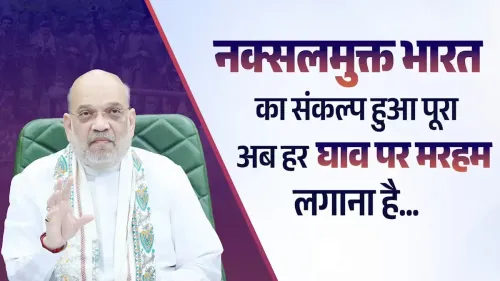
Districts Gadchiroli and Gondia are reported to be largely Naxal-free, shifting focus to recovering missing weaponry.
The cabinet also approved amendments to the Maharashtra Public Universities Act, 2017 to align with the National Education Policy (NEP) .
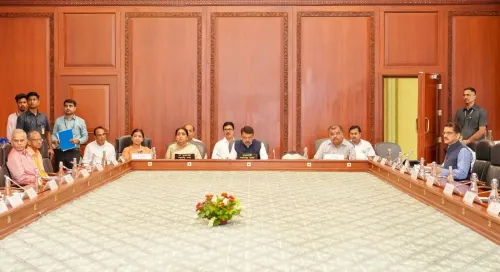
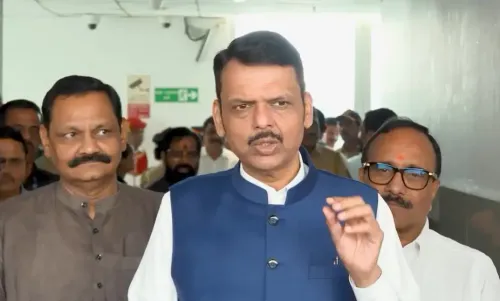
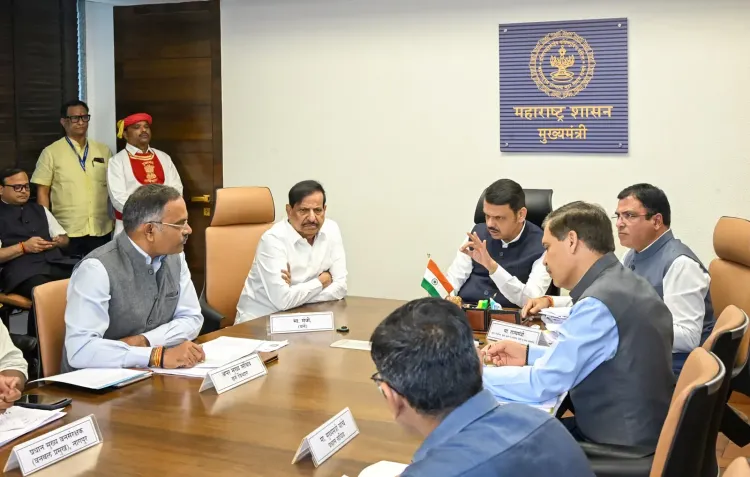
The Maharashtra Cabinet, chaired by Chief Minister Devendra Fadnavis, on Tuesday, 17 November 2026, approved a structured cash reward scheme for individuals providing credible information leading to the recovery of weapons looted by Naxals from security forces. The move marks a significant escalation in the state's counter-Left-Wing-Extremism strategy, filling a gap in existing incentive frameworks that previously covered Maoist arrests and surrenders but not weapon recovery by informants.
How the reward structure works
Cash prizes of up to ₹1.5 lakh have been structured per weapon, varying by type — automatic, semi-automatic, or other categories — as well as by ammunition recovered. The scheme is designed to mobilise civilian intelligence networks in Naxal-affected areas, where local communities often have the most granular knowledge of hidden arsenals.
Decentralised financial sanction powers
Sanction authority for the rewards has been spread across police hierarchies to speed up disbursements. The Superintendent of Police (SP) can sanction up to ₹10 lakh; the Deputy Inspector General of Police (DIG), Gadchiroli Range, up to ₹25 lakh; the Special Inspector General of Police (Anti-Naxal Operations) between ₹25 lakh and ₹50 lakh; and the Additional Director General of Police (Special Action) between ₹50 lakh and ₹1 crore. This tiered structure ensures that larger recoveries receive proportionally higher rewards without bureaucratic delays at a single authority.
Why this scheme was needed
According to the government release, while the Central and Maharashtra state governments have made significant progress dismantling the 'Red Corridor' — with districts like Gadchiroli and Gondia now reported to be largely Naxal-free — a critical operational gap remained. Weapons looted from security forces in past Maoist attacks had no dedicated incentive scheme encouraging civilian informants to report their locations. This approval closes that gap. Notably, this is a targeted addition to the existing counter-Naxal toolkit rather than a wholesale overhaul of the broader reward framework.
University Act amendments also cleared
Separately, the cabinet also approved amendments to the Maharashtra Public Universities Act, 2017 via an ordinance, aiming to align the legislation with the National Education Policy (NEP) and contemporary higher education frameworks. Under the proposed changes, the Chancellor of the state will gain authority to remove a Pro-Vice-Chancellor on the recommendation of the Vice-Chancellor. University construction and development projects will henceforth be executed through the Public Works Department (PWD) under the direct supervision of the Management Council. The Law and Judiciary Department has been empowered to make procedural modifications to the ordinance draft.
What comes next
The weapon-recovery reward scheme is expected to be operationalised shortly through district-level police machinery in Naxal-affected regions. With the state pushing for a fully Naxal-free Gadchiroli and Gondia, the initiative could serve as a template for other Left-Wing-Extremism-affected states watching Maharashtra's playbook closely.
Point of View
The state removes the bureaucratic friction that has historically slowed informant payouts and chilled tip-offs. The harder question is whether financial incentives alone can overcome the deep social fear that persists in Naxal-adjacent communities — fear that reporting to police carries lethal personal risk. Maharashtra's success in Gadchiroli is real, but the weapons that remain hidden are likely in the most inaccessible, most intimidated pockets of the region. The scheme's value will ultimately be measured not by the size of rewards but by whether informants trust the system enough to come forward at all.
NationPress
17 Nov 2026
Frequently Asked Questions
What is the Maharashtra Cabinet's new Naxal weapon reward scheme?
The Maharashtra Cabinet on 17 November 2026 approved cash rewards for individuals providing credible information leading to the recovery of weapons looted by Naxals from security forces. Rewards of up to ₹1.5 lakh per weapon are structured by weapon type, with broader sanction powers extending up to ₹1 crore depending on the recovery value.
Who can sanction the cash rewards under this scheme?
Sanction authority is decentralised: the Superintendent of Police (SP) can approve up to ₹10 lakh; the DIG, Gadchiroli Range, up to ₹25 lakh; the Special IGP (Anti-Naxal Operations) between ₹25 lakh and ₹50 lakh; and the ADGP (Special Action) between ₹50 lakh and ₹1 crore.
Why was this scheme introduced now?
With districts like Gadchiroli and Gondia reported to be largely Naxal-free, the focus has shifted to tracking down weapons looted during past Maoist attacks on security forces. Existing provisions covered rewards for arrests or surrenders with weapons, but there was no dedicated scheme to incentivise civilian informants for weapon-specific recoveries.
What changes were made to the Maharashtra Public Universities Act?
The cabinet approved an ordinance amending the Maharashtra Public Universities Act, 2017 to align it with the National Education Policy (NEP). Key changes include giving the Chancellor power to remove a Pro-Vice-Chancellor on the Vice-Chancellor's recommendation, and routing university construction projects through the PWD under Management Council supervision.
Which districts are most affected by this weapons recovery drive?
Gadchiroli and Gondia are the primary target districts, both of which the state and Central governments have declared largely free of active Naxal presence. The push to recover looted weapons is seen as the final phase of counter-Naxal operations in these regions.