CMO Maharashtra: Rail Restoration on War Footing After Landslide
Synopsis
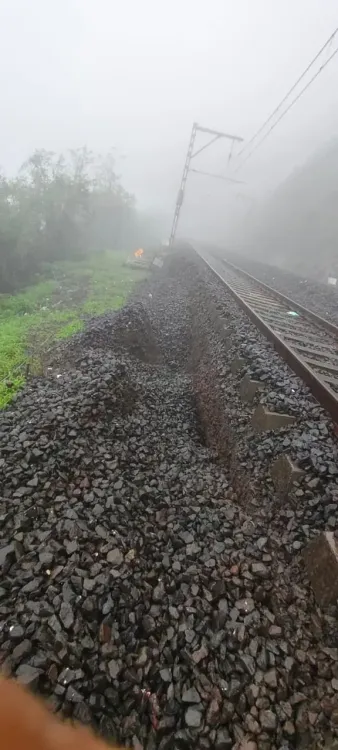
The Chief Minister's Office of Maharashtra on July 6, 2026 announced that railway restoration at a landslide-affected section is progressing urgently despite adverse weather, with heavy machinery deployed by Central Railway teams to clear debris and restore services.
Key Takeaways
The CMO Maharashtra on July 6, 2026 confirmed restoration work at a landslide-hit rail section is underway on a 'war footing.' Central Railway teams are deployed with heavy machinery to clear debris from the affected section.
Work is continuing despite adverse weather conditions and challenging terrain in the region.
Chief Minister Devendra Fadnavis was directly tagged in the official update, signalling high-level state attention.
Monsoon landslides on Maharashtra's Western Ghats and Konkan rail corridors are a recurring seasonal challenge requiring coordinated state-railway response.
Service resumption timelines and long-term slope stabilisation measures remain key items to watch in the coming days.
The Chief Minister's Office of Maharashtra announced on Monday, July 6, 2026, that restoration work at a landslide-hit railway section is progressing urgently, with railway teams deployed alongside heavy machinery to clear debris and resume services at the earliest.
The official post, tagging Chief Minister Devendra Fadnavis, stated that work is advancing 'on a war footing' despite 'adverse weather conditions and challenging terrain,' signalling the state's direct involvement in coordinating the emergency response.
Context
Maharashtra's Western Ghats and Konkan belt experience recurring landslides during the monsoon season, frequently disrupting rail connectivity on critical routes operated by Central Railway. The July 2026 incident follows a well-established seasonal pattern in which heavy rainfall triggers debris flows onto rail corridors, halting passenger and freight movement across the region.
The involvement of the Chief Minister's Office in amplifying the restoration update underscores the political and administrative priority attached to restoring normalcy for commuters and hill-region residents dependent on rail services.
Policy Backdrop
Central Railway, the zonal division of Indian Railways responsible for key routes through Maharashtra, has standard emergency protocols for monsoon-season disruptions, including pre-positioned machinery and dedicated track restoration teams. Successive state governments, including under Devendra Fadnavis, have emphasised rapid clearance operations alongside longer-term slope stabilisation works on vulnerable sections.
The state and railway authorities typically operate in a coordinated framework during such events, with the state government facilitating access, local administration support, and public communication while railway engineers lead the technical restoration effort.
Stakeholders and Impact
The disruption directly affects railway passengers on routes passing through the affected section, with trains either cancelled, short-terminated, or diverted until the track is certified safe for operations. Residents of hill and coastal communities in the affected corridor face reduced mobility and supply-chain constraints during the restoration window.
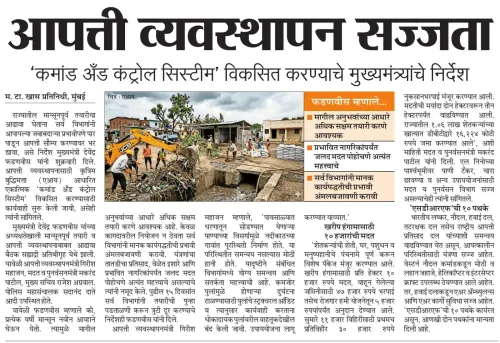
Heavy machinery deployed at the site indicates the scale of debris accumulation, a common challenge in Western Ghats landslides where loose rock and saturated soil can deposit large volumes of material on the track bed. The 'war footing' characterisation by the CMO signals an accelerated timeline over routine maintenance schedules.
What's Next
Railway officials are expected to issue service resumption timelines once debris clearance reaches an advanced stage and structural safety assessments of the affected section are completed. Monsoon conditions are likely to continue presenting operational challenges through the peak rainfall months.
Longer-term, the incident renews attention on pending slope protection and geo-technical stabilisation works on Western Ghats rail corridors — projects that have featured in successive railway budget discussions. Any supplementary allocations or accelerated tendering for such works in the aftermath of this disruption will be a key indicator of the state-centre coordination on infrastructure resilience.
Point of View
Blurring the traditional separation between state and central railway functions for political and administrative effect. The 'war footing' framing, while standard in Indian official communication during emergencies, also serves to pre-empt criticism over service disruption by emphasising speed and resource deployment. How quickly services resume will determine whether the optics of urgency translate into measurable relief for passengers.
NationPress
5 Oct 2026
Frequently Asked Questions
Which railway section was affected by the landslide in Maharashtra in July 2026?
The exact section has not been officially specified in the available announcement. The Chief Minister's Office of Maharashtra confirmed on July 6, 2026 that a landslide-affected railway section is under restoration, with the disruption consistent with Western Ghats or Konkan corridor routes operated by Central Railway.
What is Central Railway doing to restore services after the Maharashtra landslide?
Central Railway teams have been deployed with heavy machinery to clear debris from the landslide-affected section. The Chief Minister's Office described the pace of work as being on a 'war footing' despite adverse weather and difficult terrain.
Is Devendra Fadnavis involved in the Maharashtra railway landslide response?
Yes. The Chief Minister's Office of Maharashtra directly tagged Chief Minister Devendra Fadnavis in the July 6, 2026 update, indicating his office is actively monitoring and coordinating the emergency restoration effort.
Why do Maharashtra's rail routes face landslides every monsoon?
Maharashtra's Western Ghats and Konkan belt have steep, geologically unstable slopes that become prone to landslides during heavy monsoon rainfall. Rail lines passing through this terrain are routinely vulnerable to debris flows, making seasonal disruption a recurring challenge for Central Railway.
When will train services resume on the landslide-affected Maharashtra rail section?
A specific resumption date has not been announced. Railway authorities are expected to confirm timelines after debris clearance is complete and safety assessments of the track are conducted.