Maharashtra Kelkar panel set up to fix fiscal stress, boost state revenues
Synopsis
Maharashtra has formed a high-powered committee under Dr Vijay Kelkar to tackle a fiscal crunch that has repeatedly forced the state into market borrowings despite FRBM limits. With a $1 trillion economy target by 2030 on the line, the panel's recommendations on revenue reform and expenditure rationalisation could set a new template for India's largest state economy.
Key Takeaways
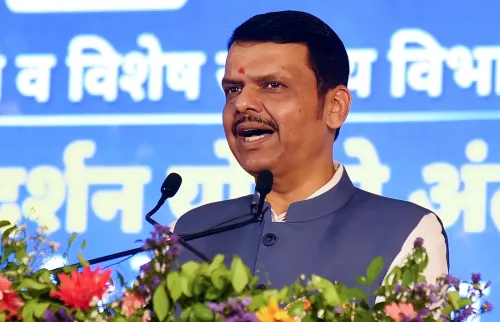
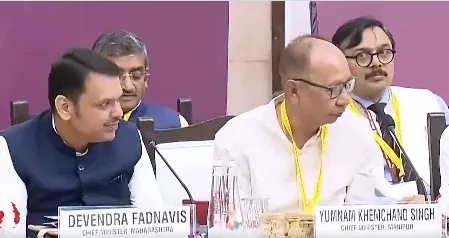
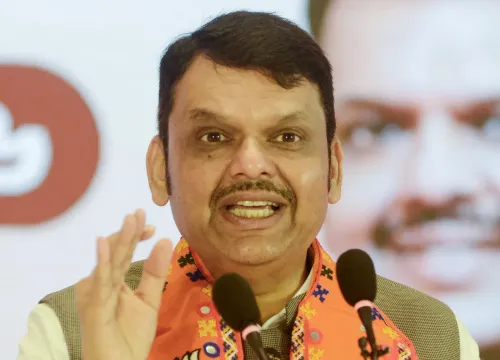
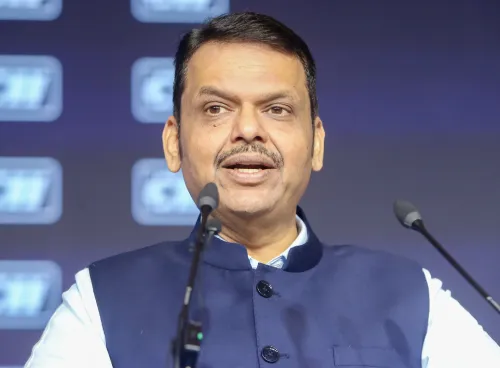
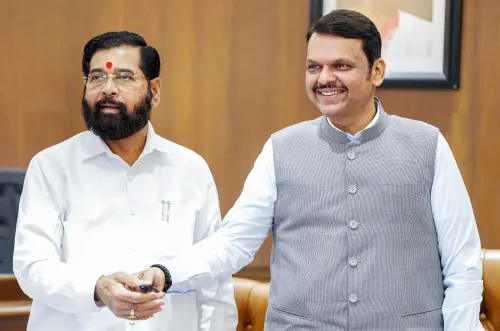
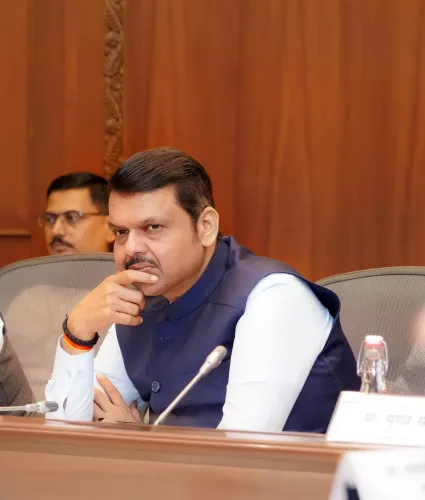
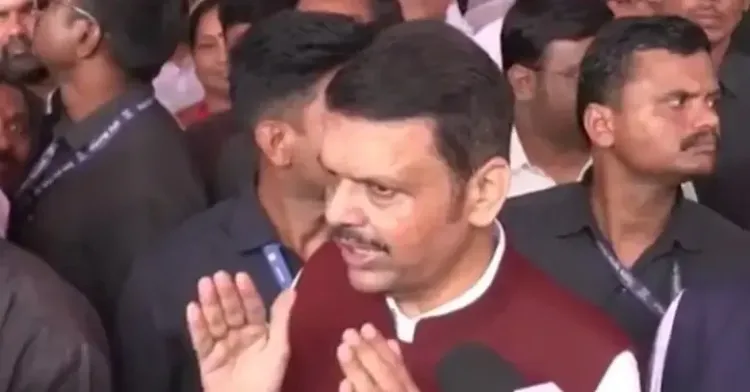
Maharashtra CM Devendra Fadnavis announced the Maharashtra Sustainable Public Finance Committee on 17 September 2026 .
The panel is chaired by former Union Finance Secretary Dr Vijay Kelkar and includes four other senior economists and administrators.
The committee must recommend ways to modernise taxation, plug revenue leakages, rationalise spending, and reduce borrowing dependence.
Maharashtra targets a fiscal deficit of 2.8%–3.0% of GSDP and a revenue deficit of under 0.7% of GSDP under FRBM norms.
The panel supports the 'Viksit Maharashtra @ 2047' vision, which targets a $1 trillion state economy by 2030 and $5 trillion by 2047 .
Maharashtra Chief Minister Devendra Fadnavis on 17 September 2026 announced the formation of the Maharashtra Sustainable Public Finance Committee, a high-level expert panel tasked with recommending structural reforms to strengthen the state's finances and accelerate long-term growth. The committee is headed by eminent economist and former Union Finance Secretary Dr Vijay Kelkar, and its formation is directly tied to Maharashtra's ambitious 'Viksit Maharashtra @ 2047' vision.
Committee Composition and Mandate
The Kelkar Committee brings together a formidable lineup of economic and administrative expertise. Its members include Prof Karthik Muralidharan, founder-director of CEGIS; Dr Nitin Kareer, former Chief Secretary of Maharashtra; T Rabi Sankar, former Deputy Governor of the Reserve Bank of India (RBI); and Dr Ashima Goyal, President of The Indian Econometric Society.
The panel has been tasked with a broad fiscal reform agenda: modernising the tax system, plugging revenue leakages, rationalising tax rates, fees, and exemptions; identifying untapped revenue streams; maximising returns from public assets and state enterprises; streamlining public spending; and devising a fiscally responsible plan to reduce reliance on borrowings for infrastructure and budget deficits.
The Fiscal Pressure Maharashtra Faces
The committee's constitution comes at a critical moment for Maharashtra. Despite pursuing an investment-led growth strategy across infrastructure, urban management, water security, human resource development, and energy transition, the state faces mounting fiscal constraints. Rising welfare commitments and debt servicing costs have repeatedly strained adherence to targets set under the Fiscal Responsibility and Budget Management (FRBM) Act.
The state's fiscal deficit is capped at 2.8% to 3.0% of Gross State Domestic Product (GSDP), with the revenue deficit targeted at under 0.7% of GSDP. However, Maharashtra has frequently resorted to market borrowings to fund capital projects and offset short-term liquidity shortfalls, a trend the Kelkar Committee is now expected to help reverse. Progress is tracked quarterly through a dedicated Vision Management Unit chaired by the Chief Minister.
The 'Viksit Maharashtra @ 2047' Vision
The Kelkar panel is a key institutional instrument within the broader 'Viksit Maharashtra @ 2047' framework, which lays out a roadmap to scale Maharashtra's economy to $1 trillion by 2030 and $5 trillion by 2047 — the centenary year of India's Independence. The vision document calls for restructuring government expenditure policy to align with long-term capital formation, and for identifying alternative financing models and private capital inflows.
This is notably not Maharashtra's first attempt at fiscal consolidation — successive state governments have grappled with the tension between expanding welfare outlays and capital investment capacity. What distinguishes this initiative is the structural, committee-driven approach to both revenue enhancement and expenditure rationalisation simultaneously.
What the Panel Is Expected to Deliver
The Kelkar Committee is expected to deliver actionable recommendations that address both sides of the fiscal ledger. On the revenue side, it will examine untapped streams and underperforming public assets. On the expenditure side, it will look at committed costs — salaries, pensions, interest payments, and welfare schemes — that leave limited headroom for capital spending.
With Maharashtra being India's largest state economy by output, the committee's findings could have implications beyond the state, potentially serving as a model for fiscal reform in other large, high-spending states grappling with similar pressures. The panel's final recommendations are awaited and are expected to shape Maharashtra's fiscal policy for the coming decade.
Point of View
But Maharashtra's fiscal bind is structural — welfare expansion has consistently crowded out capital spending, and no committee report alone changes that equation. The real test is whether the government acts on politically inconvenient recommendations around tax rationalisation and asset monetisation, or files them alongside earlier reform blueprints that gathered dust. Notably, the $1 trillion by 2030 target gives the state less than four years, making the pace of implementation as consequential as the quality of advice. With Maharashtra setting the template, Delhi will be watching.
NationPress
17 Sept 2026
Frequently Asked Questions
What is the Maharashtra Sustainable Public Finance Committee?
It is a high-level expert panel formed by the Maharashtra government on 17 September 2026 and chaired by economist Dr Vijay Kelkar to recommend structural fiscal reforms. Its mandate covers tax modernisation, plugging revenue leakages, rationalising expenditure, and reducing the state's dependence on market borrowings.
Who are the members of the Kelkar Committee?
Apart from chairman Dr Vijay Kelkar, the committee comprises Prof Karthik Muralidharan (founder-director, CEGIS), Dr Nitin Kareer (former Chief Secretary of Maharashtra), T Rabi Sankar (former Deputy Governor, RBI), and Dr Ashima Goyal (President, The Indian Econometric Society).
Why has Maharashtra set up this panel now?
Maharashtra faces growing fiscal stress, with rising welfare commitments and debt servicing costs repeatedly straining its FRBM targets. The state has frequently resorted to market borrowings to fund capital projects, and the committee is expected to recommend measures to reverse this trend as the state pursues ambitious growth targets.
What are Maharashtra's fiscal deficit targets under FRBM?
The state targets a fiscal deficit of 2.8% to 3.0% of GSDP and aims to keep the revenue deficit under 0.7% of GSDP. Adherence to these targets has proved challenging amid expanding welfare and debt servicing obligations, and is tracked quarterly through a Vision Management Unit chaired by the Chief Minister.
What is the 'Viksit Maharashtra @ 2047' vision?
It is Maharashtra's long-term growth roadmap aiming to scale the state's economy to $1 trillion by 2030 and $5 trillion by 2047, coinciding with India's centenary of Independence. The Kelkar Committee's fiscal reform work is a key institutional pillar of this vision.