Maharashtra to tighten moneylending law as farmer loans surge ₹400 crore since 2022
Synopsis
Maharashtra's Co-operation Minister has confirmed that informal lending to farmers jumped ₹400 crore since 2022 — and that a tougher moneylending law with harsher punishments is in the works. With 34 proven illegal-lending cases, 48 accused booked, and the explosive Roshan Kule organ-trafficking scandal hanging over the debate, the Assembly session exposed just how deep Maharashtra's rural debt crisis runs.
Key Takeaways
Moneylender loans in Maharashtra surged by ₹400 crore since 2022 ; formal banks disbursed ₹12,415 crore in the same period.
The state received 343 complaints of illegal moneylending; FIRs filed in 34 confirmed cases, with 48 accused booked.
Co-operation Minister Babasaheb Patil announced plans to amend the moneylending law with harsher punishments .
Of 54 complaints under the Maharashtra Moneylending Regulation Act in Amravati, 44 have been resolved.
The high-profile Roshan Kule case from Chandrapur — linking illegal usury to organ trafficking — was raised by opposition leader Vijay Wadettiwar ; a probe was assured.
Farmers defaulting with DCCBs are being redirected to nationalised banks for crop loans.
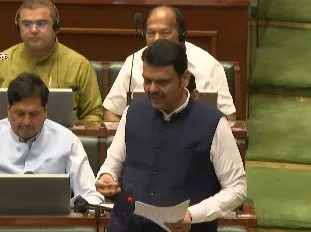
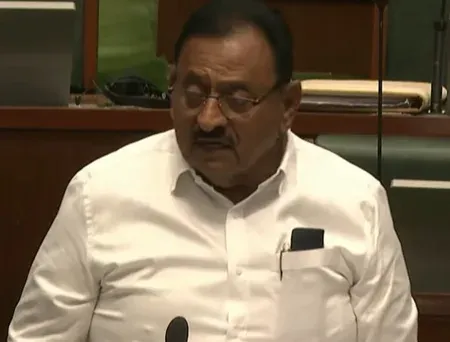
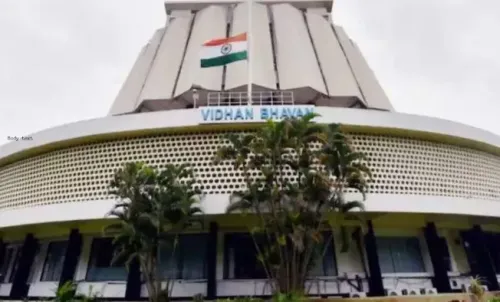
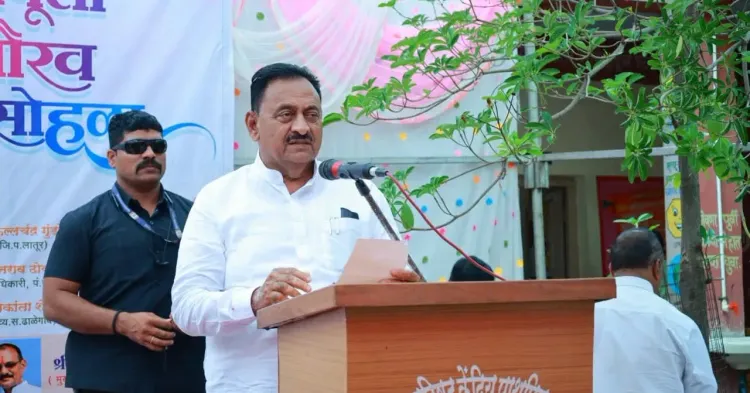
Maharashtra Co-operation Minister Babasaheb Patil told the Legislative Assembly on Monday, 29 June that the state government is preparing to amend existing moneylending legislation with far stricter punitive provisions, as illegal and informal lending to farmers has surged by ₹400 crore since 2022. The disclosure came during Question Hour, triggered by a query from member Sulabha Khodke on moneylending loans in Amravati district.
The Scale of the Problem
Minister Patil placed the numbers before the House: since 2022, moneylenders in Maharashtra have disbursed loans worth ₹400 crore, while the formal banking sector distributed ₹12,415 crore over the same period. Patil argued that the data refutes claims that banks are denying credit to farmers — though opposition members countered that access to formal credit remains uneven on the ground.
The state has received 343 complaints of illegal moneylending so far. Fact-finding probes found substance in 266 of those cases; illegal lending was definitively established in 34 cases. First Information Reports (FIRs) have been filed in all 34, with 48 accused booked, according to Patil.
Opposition Raises Alarm in the House
Several members — including Congress Legislative Party leader Vijay Wadettiwar, Nana Patole, Kailas Patil, Harish Pimple, and Hemant Ogale — joined the debate with pointed concerns. Pimple highlighted that illegal loans are routinely disbursed on plain paper slips and demanded a dedicated helpline for complaints. Patole alleged that district grievance redressal committees have grown inactive, allowing illegal lending to flourish unchecked.
Wadettiwar raised the high-profile Roshan Kule case from Chandrapur district — a scandal that reportedly exposed a nexus between high-interest illegal moneylending and an international organ-trafficking racket. He questioned why moneylender Diwakar Nikure, accused of usurping farmers' lands and bouncing around 130 cheques, remains at large. Minister Patil assured the House that a thorough investigation into the Roshan Kule case would be conducted and appropriate action taken.
What the Government Has Done
Of 54 complaints filed under the Maharashtra Moneylending Regulation Act with the Office of the District Deputy Registrar (DDR) of Co-operative Societies in Amravati, 44 cases have already been resolved, Patil said. A three-member district-level administrative committee has been appointed to curb illegal usury, and a District Coordination Committee — chaired by the respective District Collector — is actively monitoring crop loan approvals and disbursements.
Farmers facing defaults with District Central Co-operative Banks (DCCBs) are being offered crop loans through nationalised and other eligible commercial banks as an alternate arrangement, the Minister added.
Tougher Law on the Horizon
Patil confirmed that the state government will introduce amendments to existing moneylending laws providing for harsher punishments than current legislation allows. He said the government has accorded top priority to protecting farmers' credit access while cracking down on unlicensed lenders. The proposed amendments are in preparation, though no specific timeline for tabling the bill was announced in the Assembly.
With farmer distress and informal debt continuing to shadow Maharashtra's agrarian belt, the legislative push — if enacted swiftly — will be closely watched by both rural advocacy groups and the opposition.
Point of View
Not the disease — the real story is why farmers are bypassing a formal banking system that disbursed ₹12,415 crore in the same window. The government's own data suggests credit is flowing, yet farmers are still turning to unlicensed lenders, pointing to structural barriers: documentation hurdles, DCCB defaults, and slow processing. Tougher penalties for illegal lenders will matter only if the underlying credit-access gap is fixed simultaneously. The Roshan Kule case — where usury allegedly fed an organ-trafficking network — is a stark reminder that the human cost of inaction is not abstract.
NationPress
28 Sept 2026
Frequently Asked Questions
Why have moneylender loans to farmers surged in Maharashtra since 2022?
Moneylender loans in Maharashtra rose by ₹400 crore since 2022, according to Co-operation Minister Babasaheb Patil. Opposition members argue that farmers are turning to informal lenders because of difficulties accessing formal credit, including defaults with District Central Co-operative Banks (DCCBs), though the Minister contended that banks disbursed ₹12,415 crore in the same period.
What action has Maharashtra taken against illegal moneylenders?
The state has received 343 complaints of illegal moneylending; investigations found substance in 266 cases and confirmed illegal activity in 34. FIRs have been registered in all 34 cases and 48 accused have been booked. A three-member district-level administrative committee has also been set up to monitor and restrict illegal usury.
What is the Roshan Kule moneylending case?
The Roshan Kule case is a high-profile scandal from Chandrapur district, Maharashtra, reportedly exposing a link between illegal high-interest moneylending and an international organ-trafficking racket. Congress leader Vijay Wadettiwar raised it in the Assembly, questioning why accused moneylender Diwakar Nikure — alleged to have usurped farmers' lands and bounced around 130 cheques — remains at large. Minister Patil assured a thorough investigation.
What new law is Maharashtra planning to curb illegal moneylending?
Minister Babasaheb Patil announced that the state will introduce amendments to existing moneylending legislation providing for harsher punishments than current law allows. The amendments are in preparation, but no specific date for tabling the bill was announced during the Assembly session.
What relief is available to farmers who cannot access loans from cooperative banks?
Farmers facing difficulties due to defaults with District Central Co-operative Banks (DCCBs) are being offered crop loans through nationalised and other eligible commercial banks as an alternate arrangement, according to Minister Patil. A District Coordination Committee chaired by the District Collector is also monitoring crop loan approvals and disbursements.