CM Majhi Approves Bonus, Rate Hike for Odisha Kendu Leaf Workers
Synopsis
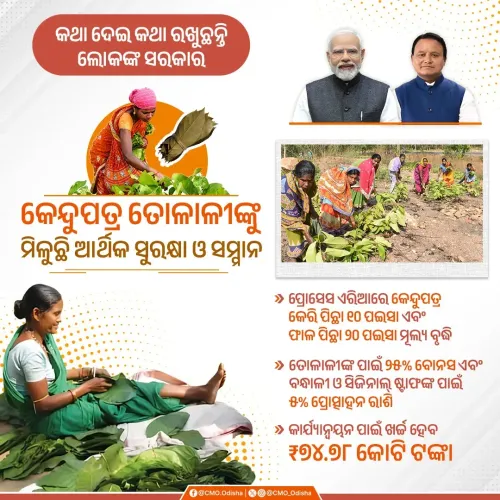
Chief Minister Mohan Majhi of Odisha has approved a 25% bonus for kendu leaf pluckers and a 5% incentive for binders and seasonal staff, alongside a hike in keri and phala procurement rates. The state will spend Rs 74.78 crore on the welfare package.
Key Takeaways
CM Mohan Charan Majhi approved the welfare package for kendu leaf workers on 13 July 2026 .
Kendu leaf pluckers will receive a 25 per cent bonus on their seasonal earnings.
Binders and seasonal staff will receive a 5 per cent incentive amount .
The procurement rate for a bundle of 20 kendu leaves (keri) rises by 10 paise ; for a bundle of 40 leaves (phala) by 20 paise .
Total government expenditure approved for this package stands at Rs 74.78 crore .
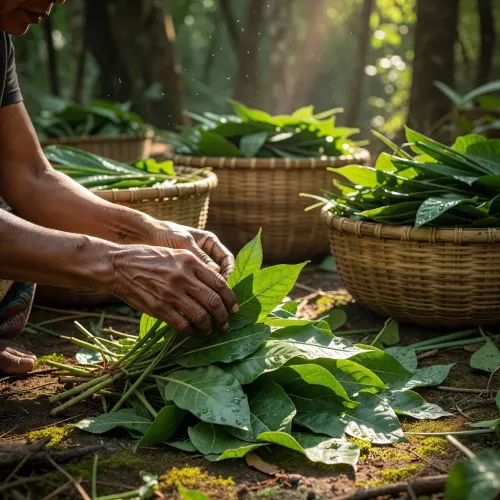
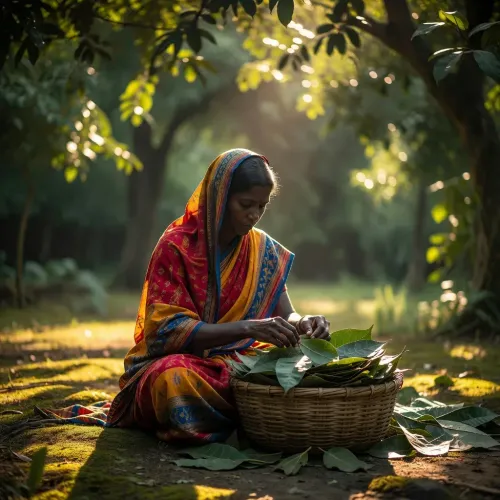
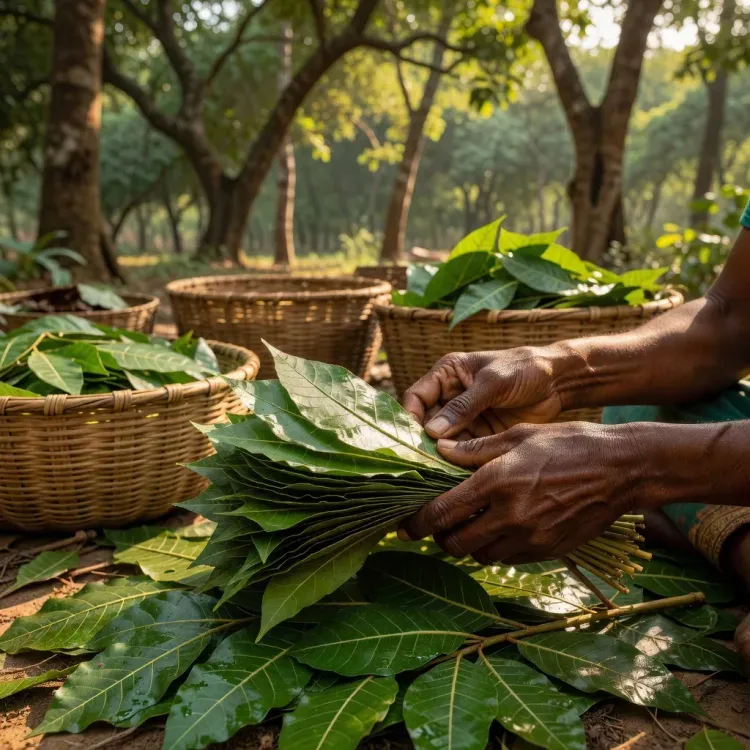
Kendu leaf collection is a critical seasonal income source for tribal and rural households across Odisha .
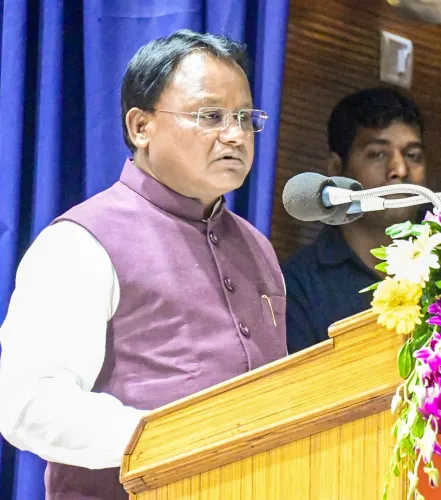
The Chief Minister's Office of Odisha announced on Monday, 13 July 2026 that Chief Minister Mohan Charan Majhi has approved a bonus, incentive payments, and a revision in procurement rates for lakhs of kendu leaf pluckers, binders, and seasonal staff across the state. The decision will entail a total government expenditure of Rs 74.78 crore.
What Was Announced
Under the approved package, kendu leaf pluckers will receive a 25 per cent bonus on their earnings, while binders (bandhali) and seasonal staff (sijinal staff) will be entitled to a 5 per cent incentive amount. On the procurement price side, the rate per bundle of 20 kendu leaves (keri) in process areas has been raised by 10 paise, and the rate per bundle of 40 leaves (phala) has been increased by 20 paise. The Chief Minister's Office stated the revisions were made on the direct instructions of CM Majhi.
Context
Odisha nationalised its kendu leaf trade in the 1970s, creating a dedicated state structure to regulate collection, processing, and welfare payments to workers. Kendu leaves — used in the manufacture of bidis — are among the most economically significant minor forest produce in eastern India, providing critical seasonal income to tribal and rural households across the state.
The state's forest-dependent communities, particularly in tribal districts, rely on the annual kendu leaf collection season as one of their primary sources of cash income. Welfare measures such as bonuses and price revisions are therefore closely watched by worker groups and have historically been a point of periodic labour agitation.
Policy Backdrop
Successive Odisha governments have periodically revised kendu leaf procurement prices and announced bonuses to sustain pluckers' participation and address worker grievances. These steps form part of a broader state policy of supporting forest-dependent communities alongside other minor forest produce schemes and rural wage employment programmes.
The current revision continues that pattern, with the Majhi government framing the move explicitly as a welfare measure for 'lakhs of kendu leaf pluckers, binders, and seasonal staff' — a constituency that spans multiple tribal and forest-fringe districts of Odisha.
Stakeholders and Impact
The primary beneficiaries are the hundreds of thousands of kendu leaf pluckers — a workforce that is predominantly tribal and rural, and includes a significant proportion of women. Binders and seasonal contractual staff who support the collection and processing operations will also benefit from the 5 per cent incentive.
The total approved outlay of Rs 74.78 crore signals the scale of the workforce involved and underlines the economic weight of the kendu leaf sector within Odisha's minor forest produce economy.
What's Next
Attention will now shift to the actual disbursement of the approved funds, which will need to be executed ahead of or during the next collection season. Follow-up administrative orders from the Forest Department or relevant state agencies will determine the timeline and modalities of payment to workers on the ground.
Point of View
Rural constituency — carries clear electoral and welfare dimensions ahead of future electoral cycles in a state where forest-dependent livelihoods remain politically sensitive. By coupling the bonus with a direct procurement price revision, the administration signals a two-pronged approach: immediate cash relief and a structural nudge to sustain worker participation in the nationalised kendu leaf trade. The Rs 74.78 crore outlay also reflects the sheer scale of the sector and the state's continued role as the dominant market actor in minor forest produce. Whether disbursement actually reaches workers on the ground before the next collection season will be the real test of the announcement's impact.
NationPress
12 Oct 2026
Frequently Asked Questions
What bonus did CM Mohan Majhi approve for kendu leaf pluckers in Odisha?
CM Mohan Majhi approved a 25 per cent bonus for kendu leaf pluckers in Odisha, announced on 13 July 2026.
How much will Odisha spend on the kendu leaf workers welfare package?
The Odisha government will spend a total of Rs 74.78 crore on the bonus, incentives, and procurement price revisions for kendu leaf workers.
What incentive will kendu leaf binders and seasonal staff get in Odisha?
Binders (bandhali) and seasonal staff (sijinal staff) involved in kendu leaf operations will receive a 5 per cent incentive amount under the approved package.
By how much has the kendu leaf procurement price been increased in Odisha?
The price per bundle of 20 kendu leaves (keri) has been raised by 10 paise, and the price per bundle of 40 leaves (phala) has been increased by 20 paise in process areas.
Why is kendu leaf collection important for tribal communities in Odisha?
Kendu leaves, used in bidi manufacturing, are one of the most significant minor forest produce in Odisha and provide critical seasonal cash income to tribal and rural households, particularly in forest-fringe districts.