Anti-defection law reform: Manish Tewari moves Lok Sabha adjournment notice
Synopsis
Congress MP Manish Tewari has moved a Lok Sabha adjournment motion notice demanding a new anti-defection law — just weeks after six Shiv Sena (UBT) MPs switched sides and seven AAP Rajya Sabha members joined the BJP. With Kapil Sibal also challenging the Tenth Schedule in the Supreme Court, pressure for a legislative overhaul is converging from Parliament and the judiciary simultaneously.
Key Takeaways
Congress MP Manish Tewari submitted an adjournment motion notice in the Lok Sabha on 27 July , seeking debate on a new anti-defection law.
He called for suspension of Question Hour , Zero Hour , and all listed business to discuss the matter.
Rajya Sabha MP Kapil Sibal has separately filed a writ petition in the Supreme Court challenging the interpretation of the Tenth Schedule .
In April 2025 , seven AAP Rajya Sabha MPs including Raghav Chadha joined the BJP ; last month, six Shiv Sena (UBT) Lok Sabha MPs joined Shiv Sena .
The anti-defection law was introduced via the 52nd Constitutional Amendment in 1985 to curb the 'Aaya Ram, Gaya Ram' era of floor-crossing.
The Supreme Court's 2023 Shiv Sena split ruling clarified that joining another party is not a defence against disqualification under the Tenth Schedule.
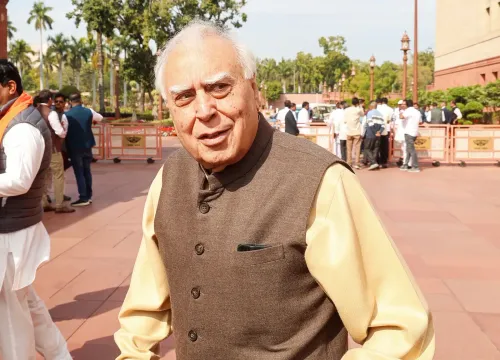
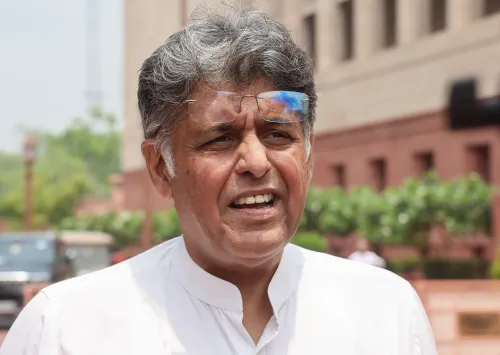
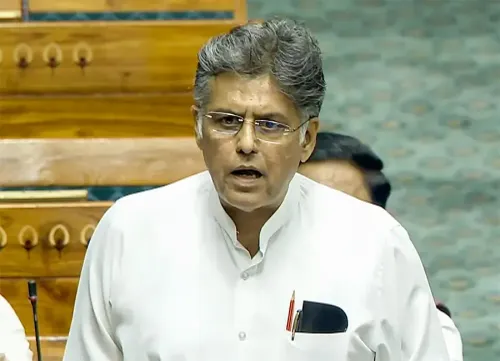
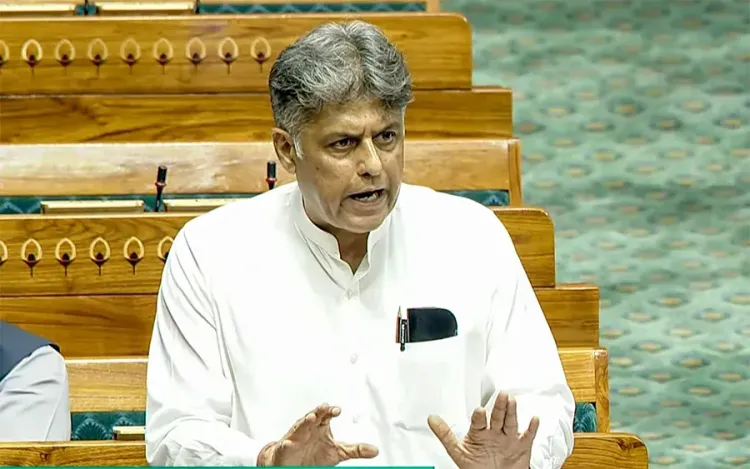
Congress MP Manish Tewari on Monday, 27 July submitted an adjournment motion notice in the Lok Sabha, calling for a dedicated parliamentary debate on enacting a new anti-defection law — one that would criminalise mass political defections driven by opportunism while carving out space for genuine ideological dissent. The notice was submitted to the Secretary-General of the Lok Sabha during the ongoing Monsoon Session of Parliament.
What Tewari's Notice Demands
In the formal notice, Tewari urged the House to suspend its scheduled business — including Question Hour, Zero Hour, and all other listed items — to take up the matter. 'I move that this House do suspend Question Hour, Zero Hour and all other listed business of the day to discuss the need for a New Anti-Defection Law that proscribes Mass Political Defections driven by opportunism and bereft of any genuine ideological or policy differences while simultaneously providing space for honest and critical dissent both inside and outside Parliament and the legislatures,' he said in the notice.
Tewari further appealed directly to the government: 'I therefore urge the government to adjourn the business for today and allow a full discussion on this matter of urgent importance.'
Why the Push for Reform Now
The demand comes as debates over the adequacy of the existing anti-defection framework have intensified across the political spectrum, fuelled by a string of high-profile defections in recent months. Senior advocate and Rajya Sabha MP Kapil Sibal recently filed a writ petition in his personal capacity before the Supreme Court, challenging the interpretation of the Tenth Schedule of the Constitution. Sibal contended that the prevailing legal reading of provisions governing political mergers has progressively weakened the anti-defection framework.
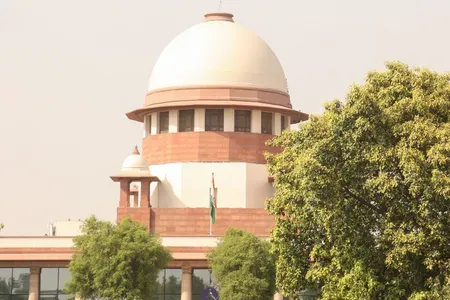
'I have filed a petition in person. It relates to the issue of whether the composition of Parliament can change in the fashion in which it's happening in this country and the interpretation of the Tenth Schedule paragraph 4 in that context,' Sibal told a Bench led by Chief Justice of India Surya Kant.
Recent Defections That Triggered the Debate
Last month, Shiv Sena leader and Maharashtra Deputy Chief Minister Eknath Shinde announced that six Lok Sabha MPs from the Shiv Sena (UBT) faction had joined his party. The MPs — Sanjay Dina Patil, Sanjay Deshmukh, Sanjay Jadhav, Bhausaheb Wakchaure, Nagesh Patil-Ashtikar, and Omprakash Raje Nimbalkar — were welcomed at a press conference in Mumbai.
Earlier in April, seven rebel Rajya Sabha members from the Aam Aadmi Party (AAP) were formally inducted into the Bharatiya Janata Party (BJP), with the Rajya Sabha Secretariat updating party positions accordingly. Raghav Chadha, along with six MPs, left AAP and merged with the BJP after being removed from the post of deputy leader in the Upper House.
The Legal Backdrop: Supreme Court and Tenth Schedule
In the landmark Subhash Desai versus Principal Secretary, Governor of Maharashtra case — the Shiv Sena split judgment of 2023 — the Supreme Court drew a clear distinction between a 'legislative party' and a 'political party', holding that the two cannot be conflated. Under that ruling, joining another party is not a valid defence against disqualification under the Tenth Schedule unless the original political party itself merges with another party.
The anti-defection law is embedded in the Tenth Schedule of the Constitution, introduced via the 52nd Constitutional Amendment in 1985 under the Rajiv Gandhi government. Its original intent was to end the era of 'Aaya Ram, Gaya Ram' — a phrase describing the rampant floor-crossing of the 1960s and 1970s — by disqualifying MPs or MLAs who voluntarily relinquish party membership, defy a party whip, or, in the case of independents and nominated members, join a party after election.
What Happens Next
Whether the Lok Sabha Speaker admits Tewari's adjournment motion notice will depend on the ruling party's willingness to cede floor time during a session already packed with legislative business. The matter, however, is unlikely to fade — with Sibal's Supreme Court petition pending and fresh defections continuing to test the Tenth Schedule's boundaries, pressure for a legislative overhaul is building from both inside and outside Parliament.
Point of View
Which critics will not let pass. The more consequential pressure point is Sibal's Supreme Court petition: if the court revisits Tenth Schedule interpretation, it could force legislative reform regardless of what Parliament chooses to debate. The real gap in the existing law is its silence on the speed and scale of modern defections — the 1985 drafters did not anticipate bloc migrations dressed up as mergers. Without closing that loophole, any new law risks being as porous as the one it replaces.
NationPress
27 Jul 2026
Frequently Asked Questions
What is the adjournment motion notice filed by Manish Tewari about?
Congress MP Manish Tewari has submitted a notice in the Lok Sabha seeking suspension of all scheduled business on 27 July to debate the need for a new anti-defection law. He wants the law to prohibit mass political defections driven by opportunism while protecting genuine ideological dissent.
What is the anti-defection law and when was it introduced?
The anti-defection law is contained in the Tenth Schedule of the Constitution, introduced through the 52nd Constitutional Amendment in 1985 under the Rajiv Gandhi government. It was designed to prevent elected representatives from switching parties for personal gain, a practice common during the 'Aaya Ram, Gaya Ram' era of the 1960s and 1970s.
Why is Kapil Sibal approaching the Supreme Court on this issue?
Rajya Sabha MP and senior advocate Kapil Sibal has filed a writ petition in his personal capacity, arguing that the current interpretation of Tenth Schedule paragraph 4 — which governs political mergers — has weakened the anti-defection framework. He contends that the composition of Parliament is changing in ways the Constitution did not intend.
Which recent defections have triggered calls for reform?
In April 2025, seven AAP Rajya Sabha MPs including Raghav Chadha joined the BJP after being removed from party positions. Last month, six Shiv Sena (UBT) Lok Sabha MPs — including Sanjay Dina Patil and Sanjay Deshmukh — joined Eknath Shinde's Shiv Sena. Both episodes have intensified demands for a stronger anti-defection framework.
What did the Supreme Court rule in the 2023 Shiv Sena split case?
In Subhash Desai versus Principal Secretary, Governor of Maharashtra (2023), the Supreme Court held that a 'legislative party' and a 'political party' cannot be conflated. It clarified that joining another party is not a valid defence against disqualification under the Tenth Schedule unless the original political party itself merges with another.