Kapil Sibal moves SC against anti-defection merger loophole in Tenth Schedule
Synopsis
Kapil Sibal has gone to the Supreme Court to close a loophole he says is gutting India's anti-defection law — the merger exemption under Paragraph 4 of the Tenth Schedule. With the Shiv Sena (UBT) case already pending and Lok Sabha's opposition benches shrinking through contested mergers, this petition could force a definitive constitutional ruling on one of Indian democracy's most exploited provisions.
Key Takeaways
Kapil Sibal filed a writ petition in the Supreme Court on 20 July 2026 (Diary No.
42846/2026 ) challenging the interpretation of Paragraph 4, Tenth Schedule of the Constitution.
Sibal argues the merger exemption is being used to shield defecting legislators from disqualification, making the anti-defection law ineffective.
Chief Justice Surya Kant assured the matter would be listed for hearing after Sibal sought an early date.
Shiv Sena (UBT) MP Arvind Sawant has separately challenged Lok Sabha Speaker Om Birla's recognition of a merger that reduced the party's Lok Sabha strength from 9 MPs to 3 .
The petition comes amid a series of Opposition defections and mergers, raising wider questions about the constitutional safeguards against floor-crossing.
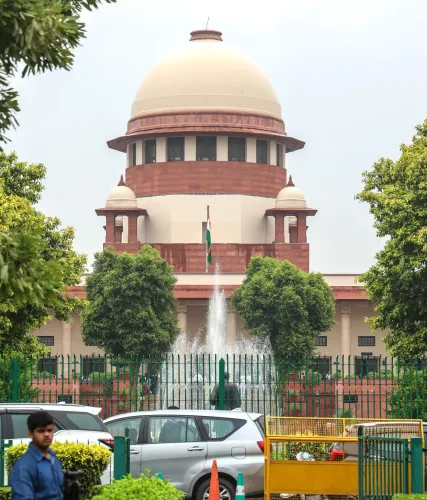
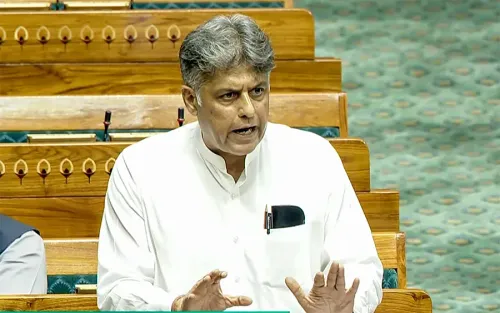
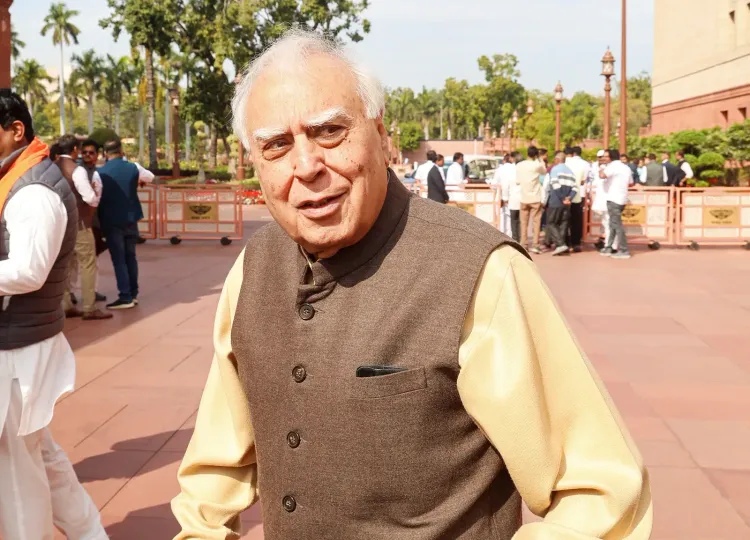
Senior Advocate and Rajya Sabha member Kapil Sibal has moved the Supreme Court challenging the constitutional interpretation of the Tenth Schedule's Paragraph 4, arguing that the existing legal position on political mergers is systematically hollowing out India's anti-defection law. The writ petition, filed by Sibal as a party-in-person against the Union of India, was assigned Diary No. 42846/2026 and registered on 20 July 2026.
What Sibal Argued Before the Court
Mentioning the matter before a Bench headed by Chief Justice of India Surya Kant, Sibal pressed for an early hearing. He told the Bench: 'I have filed a petition in person. It relates to the issue of whether the composition of the Parliament can change in the fashion in which it is happening in this country and the interpretation of the Tenth Schedule, Paragraph 4, in that context.'
Sibal warned that if the current trend of political mergers continued unchecked, the Tenth Schedule would be rendered meaningless. 'What is happening in this country? If this continues, the Tenth Schedule will become meaningless,' he submitted. CJI Kant assured the court that the matter would be listed for hearing.
The Legal Challenge: Merger Route as a Defection Shield
At the core of Sibal's petition is a challenge to how Paragraph 4 of the Tenth Schedule — which provides an exemption from disqualification in the event of a party merger — is being interpreted and applied. He contends that splinter groups of legislators are exploiting this provision to evade disqualification by engineering mergers with rival parties, thereby defeating the very purpose for which the anti-defection law was enacted.
The Tenth Schedule, introduced via the 52nd Constitutional Amendment in 1985, was designed to deter floor-crossing and ensure legislative stability. Critics argue, however, that the merger exemption has over time become a favoured instrument for orchestrated defections dressed up as legitimate political realignments.
Shiv Sena (UBT) Case: A Parallel Battle
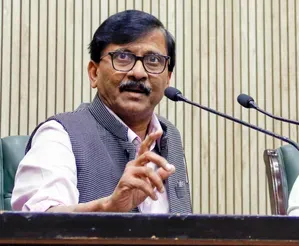
Sibal noted that a related matter filed by Shiv Sena (UBT) was already pending before the apex court — a reference that underscores the broader pattern his petition seeks to address. Separately, the Supreme Court is scheduled to hear a plea by Shiv Sena (UBT) MP Arvind Sawant, challenging Lok Sabha Speaker Om Birla's decision to recognise the merger of six Shiv Sena (UBT) MPs with the Eknath Shinde-led Shiv Sena.
That petition, listed before a Bench of Justices P.S. Narasimha and Alok Aradhe, contends that the Speaker's recognition of the merger has severely damaged Shiv Sena (UBT)'s parliamentary presence — reducing its Lok Sabha strength from nine MPs to three.
Broader Context: A Pattern of Opposition Defections
Sibal's petition arrives amid a series of defections and mergers involving legislators from Opposition parties, a trend that has accelerated in recent months. This is not an isolated legal challenge; it is part of a growing body of litigation questioning how constitutional safeguards against defection are being applied — or circumvented — in practice.
Notably, the Supreme Court's landmark 2023 ruling in the Shiv Sena dispute had flagged concerns about the Speaker's role in adjudicating disqualification petitions, yet the merger exemption itself was not conclusively settled. Sibal's petition now squarely targets that gap. With multiple such cases queued before the apex court, a definitive constitutional ruling on Paragraph 4 could reshape the rules of political realignment across India.
Point of View
Amid a run of Opposition defections, is not incidental. The merger exemption in Paragraph 4 was meant to accommodate genuine party realignments, but in practice it has been routinely weaponised to engineer defections with legal cover. The Supreme Court's 2023 Shiv Sena ruling raised the right questions about Speaker partisanship but left the merger exemption intact. A ruling that tightens or reinterprets Paragraph 4 could fundamentally alter the calculus of political poaching — but it could equally constrain legitimate party evolution. The court will need to draw a line that is principled, not merely expedient.
NationPress
21 Oct 2026
Frequently Asked Questions
What is Kapil Sibal's Supreme Court petition about?
Kapil Sibal has filed a writ petition challenging the constitutional interpretation of Paragraph 4 of the Tenth Schedule, which provides an exemption from anti-defection disqualification in cases of political party mergers. He argues the provision is being misused to allow splinter groups of legislators to avoid disqualification by routing defections through engineered mergers.
What is the Tenth Schedule and why does Paragraph 4 matter?
The Tenth Schedule, introduced by the 52nd Constitutional Amendment in 1985, is India's anti-defection law. Paragraph 4 creates an exemption: legislators who are part of a merger of at least two-thirds of a party's members with another party are not disqualified. Critics argue this clause has become a tool for orchestrated defections dressed up as legitimate mergers.
What is the Shiv Sena (UBT) case before the Supreme Court?
Shiv Sena (UBT) MP Arvind Sawant has challenged Lok Sabha Speaker Om Birla's decision recognising the merger of six Shiv Sena (UBT) MPs with the Eknath Shinde-led Shiv Sena. The petition argues the recognition has reduced Shiv Sena (UBT)'s Lok Sabha strength from nine MPs to three, severely affecting its functioning as a parliamentary party.
What did Chief Justice Surya Kant say on Sibal's petition?
Chief Justice Surya Kant assured Sibal that the matter would be listed for hearing after Sibal mentioned it before the Bench and sought an early date. No specific hearing date has been announced yet.
Why is this petition significant for Indian politics?
The petition could prompt the Supreme Court to definitively settle how the merger exemption under the Tenth Schedule is applied — a question that has remained unresolved despite the court's 2023 Shiv Sena ruling. A tighter interpretation could make it significantly harder to use mergers as a legal shield for political defections across India.