India's election credibility a global fact, MEA says after Trump cites it as US model
Synopsis
US President Trump invoked India's 646-million-voter election as a model for American voter ID reform — and New Delhi's MEA quietly accepted the compliment. The episode places India's election machinery at the centre of a polarising US legislative debate, with the SAVE America Act still stalled in the Senate.
Key Takeaways
MEA spokesperson Randhir Jaiswal on 18 August affirmed that India's election credibility is a 'well established fact globally.' US President Donald Trump cited India's 646 million voters and mandatory photo ID rules to push the SAVE America Act .
US Ambassador Sergio Gor backed Trump's remarks in a post on X , referencing India's voter ID requirements.
The SAVE America Act passed the Republican-led House 218-213 in February but faces Senate resistance.
Kashmir recorded its highest voter turnout in 30 years at 38% during the 2024 General Elections .
International delegates in 2024 praised India's use of EVM-VVPAT randomisation and Green Polling Stations .
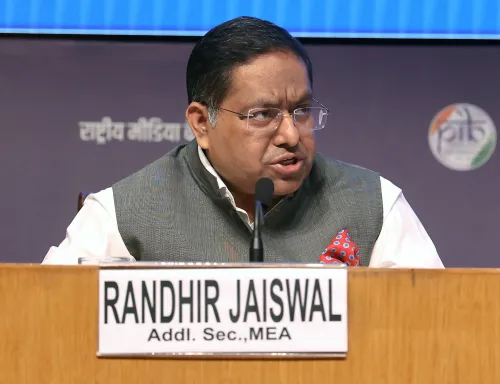
The Ministry of External Affairs (MEA) on Tuesday, 18 August affirmed that the credibility and robustness of India's election machinery is a well-established fact globally, hours after US President Donald Trump publicly cited the Indian electoral system as a model for the United States. The remarks came during a bi-weekly media briefing in New Delhi, where MEA spokesperson Randhir Jaiswal responded to questions about Trump's statements.
What the MEA Said
'I have no specific comments to make on these remarks. I can say, however, that the credibility and robustness of India's election machinery is a well established fact globally,' Jaiswal stated at the briefing. The response was measured — neither endorsing nor distancing from Trump's domestic political push — but unmistakably confident in the standing of India's democratic processes.
Trump's Remarks and the SAVE America Act
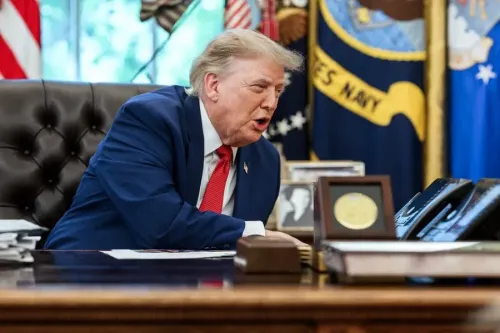
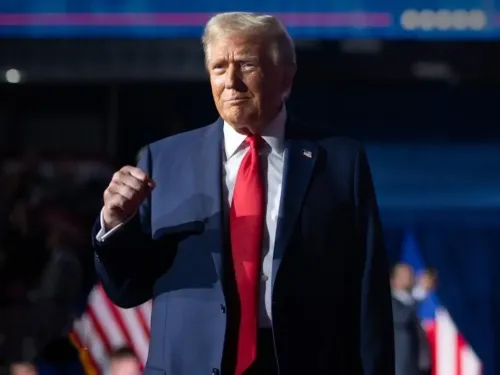
US President Donald Trump invoked India's electoral framework as he renewed his push for stricter voter identification rules in the United States, urging Congress to pass the 'SAVE America Act'. In a post on Truth Social, Trump cited a recent exchange with India's Chief Election Commissioner Gyanesh Kumar: 'Earlier this month, India's Chief Election Commissioner, Gyanesh Kumar, asked our Administration — How can you have Elections in the US without a valid Photo ID?'
Trump further highlighted the scale of India's general elections to make his case. 'India's last Election had 646,000,000 Voters! Less than 1% voted by mail, and every single Voter had to have a VALID Photo Identity Document. We need to pass THE SAVE AMERICA ACT, now!' he said.
US Ambassador to India, Sergio Gor, echoed the call in a post on X: 'President Donald J Trump is absolutely correct! 646 MILLION voters, every single one required an ID in India's last election. Congress should pass THE SAVE AMERICA ACT!'
The Legislation in Question
The SAVE America Act would require documentary proof of US citizenship before a person could register to vote in a federal election, and would mandate valid photo identification at polling stations. The Republican-led House passed the revised legislation in February by a 218-213 vote, with one Democrat crossing the aisle. An earlier version, the SAVE Act, had cleared the House in April but stalled in the Senate.
India's 2024 Election: Scale and Recognition
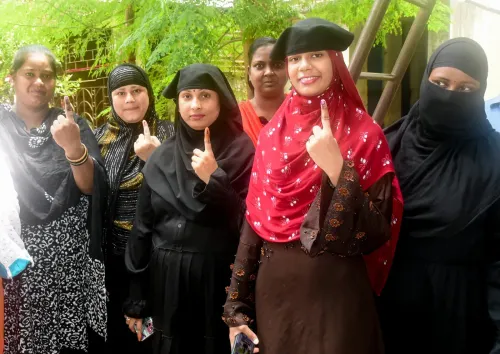
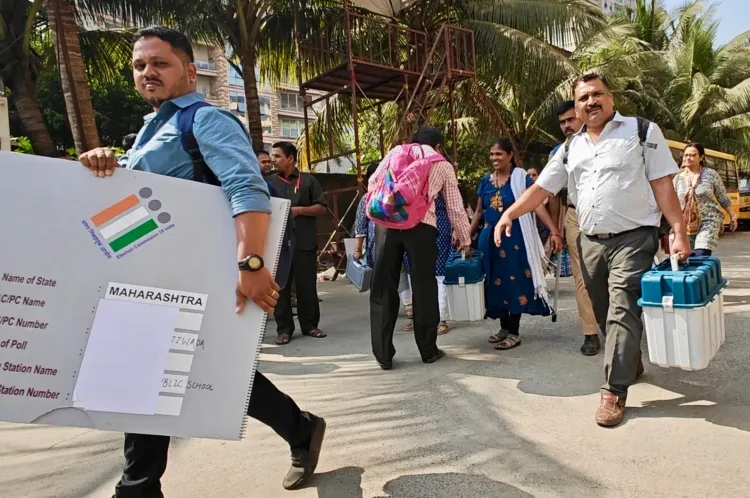
The 2024 General Elections drew the largest-ever group of international delegates to witness India's electoral process firsthand, according to the Election Commission of India (ECI). A government statement from December 2024 noted that observers praised the transparency of the process, the use of technology such as the randomisation of EVM-VVPATs, and initiatives like Green Polling Stations.
The elections also recorded greater women's participation as candidates and voters, increased youth engagement, and — notably — the highest voter turnout in Kashmir in three decades, at 38%, the first such figure since 1996. The government statement added that the results placed Prime Minister Narendra Modi among a select group of global leaders to have secured three consecutive terms in office.
Broader Significance
Trump's invocation of India's electoral model is significant not merely as diplomatic flattery but as a data point in a fiercely contested domestic debate in the US over voter ID laws. For India, the episode offers an unsolicited endorsement of its election administration on the world stage — one the MEA accepted without fanfare but with quiet confidence. With the SAVE America Act still facing Senate headwinds, whether India's example ultimately influences US federal election law remains to be seen.
Point of View
Stripping out the full context of India's own electoral debates, including concerns around EVM transparency raised by opposition parties domestically. The global applause for India's election administration is real; the selective use of that applause is something else entirely.
NationPress
2 Oct 2026
Frequently Asked Questions
What did the MEA say about India's election machinery?
MEA spokesperson Randhir Jaiswal stated on 18 August that 'the credibility and robustness of India's election machinery is a well established fact globally.' The remarks came in response to questions about US President Trump citing India's electoral system as a model for the United States.
Why did Trump cite India's election system?
Trump referenced India's 646 million voters and its mandatory photo ID requirement to argue for passing the SAVE America Act, which would require proof of US citizenship to register and photo ID to vote in federal elections. He framed India's scale and rules as evidence that strict voter ID is workable.
What is the SAVE America Act?
The SAVE America Act is US legislation that would require documentary proof of citizenship to register for federal elections and valid photo ID at polling stations. It passed the Republican-led House 218-213 in February 2025, but an earlier version stalled in the Senate.
What was notable about India's 2024 General Elections?
India's 2024 General Elections saw the largest-ever group of international observer delegates, increased women's participation, higher youth voter turnout, and Kashmir's highest poll participation in 30 years at 38%. International observers praised EVM-VVPAT randomisation and Green Polling Stations.
Did US Ambassador Sergio Gor comment on India's elections?
Yes. US Ambassador to India Sergio Gor posted on X endorsing Trump's remarks, stating that 646 million Indian voters were each required to show ID and urging Congress to pass the SAVE America Act.